

Advanced Manufacturing Techniques and Quality Control in LED Display Production
In the rapidly evolving field of LED display manufacturing, understanding the intricacies of production techniques and quality control measures is paramount for producing high-performance, durable, and visually superior LEDLCD screens. Drawing on extensive industry experience and adherence to international standards such as IEC 62717 and the DisplayHDR certification, this article delves into the technical parameters, manufacturing processes, and quality assurance frameworks that define the modern LED display manufacturing landscape.
Understanding LED Display Technology
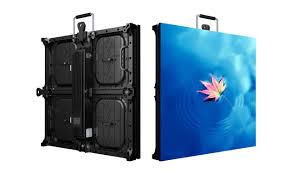
LED (Light-Emitting Diode) displays consist of arrays of tiny LEDs that emit light upon electrical stimulation. Unlike traditional LCDs that rely on backlighting, LED displays can be classified into two main categories: direct-view LED and LED-backlit LCDs. Direct-view LED displays feature self-emitting pixels, offering higher contrast ratios, wider viewing angles, and better color accuracy. Such characteristics make them ideal for outdoor signage, stadium screens, and broadcast studios.
Critical Technical Parameters for LED Display Manufacturing
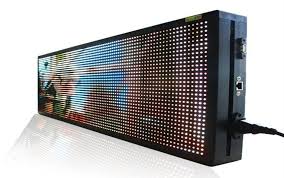
Optimizing pixel pitch, brightness, contrast ratio, color gamut, and refresh rate are vital for ensuring display quality and longevity. Industry best practices suggest:
- Pixel Pitch: Typically ranging between 0.9mm and 10mm depending on viewing distance and application. Ultra-fine pitches under 1mm deliver crisp images ideal for indoor use.
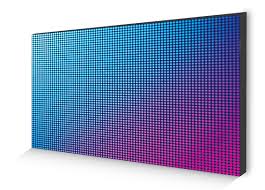
- Brightness: Outdoor LED displays require luminance levels between 5,000 to 10,000 nits to maintain visibility under direct sunlight, conforming to IEC 62717 standards.
- Contrast Ratio: Direct-view LED displays often achieve contrast ratios exceeding 100,000:1, essential for clear and vibrant image reproduction.
- Color Gamut: Wide color gamut coverage, especially adhering to BT.2020 and DCI-P3 color spaces, is a standard expectation for professional-grade LED displays.
- Refresh Rate: High refresh rates above 3840Hz are necessary to eliminate flicker effects in broadcast and videoconferencing applications.
Manufacturing Process Insights
The LED manufacturing process involves several critical stages that require precision and control:
- Substrate Preparation: The foundation for LED assembly utilizes materials like sapphire or silicon carbide wafers with chemical-mechanical polishing to achieve smoothness and uniformity.
- Epitaxial Growth: Utilizing Metal-Organic Chemical Vapor Deposition (MOCVD), multiple semiconductor layers are grown to form the LED’s active zones. The quality of epitaxial layers directly impacts luminous efficiency and color consistency.
- Chip Fabrication: Post-growth processes include photolithography, etching, and metallization. Stringent process control is necessary to maintain consistent chip dimensions and performance.
- Packaging: Advanced packaging techniques such as COB (Chip-on-Board) facilitate thermal management and prevent pixel degradation by optimizing heat dissipation and ensuring robust mechanical stability.
Quality Control and Testing
To guarantee peak performance and durability, manufacturers implement comprehensive quality assessment protocols:
- Optical Inspection: Automated systems verify pixel uniformity, color accuracy, and detect dead pixels.
- Electro-Optical Testing: Measuring forward voltage, luminous intensity, and chromaticity coordinates ensures conformity to design specifications.
- Environmental Stress Testing: Accelerated aging tests simulate exposure to moisture, temperature variations, and mechanical shocks, aligning with standards like IEC 60068.
- EMC Compliance: Electromagnetic compatibility tests are mandatory to meet regional regulatory requirements, preventing device interference with other electronics.
Case Study: Implementing Quality Control in a High-Resolution Indoor LED Display
A leading manufacturer producing a 0.9mm pixel pitch LED panel incorporated inline vision inspection systems complemented by real-time data analytics. This methodology reduced manufacturing defects by 35%, improved color uniformity by 20%, and shortened production lead times by 15%. Adopting standards such as the DisplayHDR True Black certification further enhanced product credibility in the premium market segment.
Future Trends and Considerations
The integration of Micro-LED and Mini-LED technologies promises improvements in brightness, energy efficiency, and lifespan. Additionally, adopting AI-driven manufacturing analytics and inline monitoring will elevate quality assurance, reducing human errors and optimizing resource consumption.
Environmental sustainability is also gaining prominence; manufacturers are exploring recyclable materials and reducing hazardous substances in line with RoHS and WEEE directives.
Conclusion
Mastering LED display manufacturing demands a holistic approach that combines advanced semiconductor fabrication techniques, rigorous quality control, and adherence to stringent international standards. By embracing innovation and fostering continuous improvement, manufacturers can deliver LEDLCD screens that meet the highest expectations for performance, reliability, and visual excellence.













