

Advanced Techniques and Standards in LED Display Manufacturing for Enhanced Performance and Reliability
The evolution of LED display technology has been remarkable over the past decade, transforming from simple digital signage to highly sophisticated visual communication platforms. As a professional LED display engineer with extensive industry experience, I will explore the advanced techniques and manufacturing standards that define contemporary LED screen production. This comprehensive analysis is designed to inform international stakeholders — from manufacturers to end-users — about the critical parameters that ensure high-quality, reliable, and efficient LED displays.
Introduction
LED displays have become ubiquitous in commercial advertising, public information systems, sports arenas, and entertainment venues. Their vibrant colors, high brightness, and scalability offer unparalleled user experiences. However, manufacturing these displays demands precision engineering, advanced materials, and adherence to international standards to meet quality and durability expectations. Understanding the underlying technology, manufacturing challenges, and industry benchmarks is essential for stakeholders seeking to optimize LED display selection or production.
Main Body
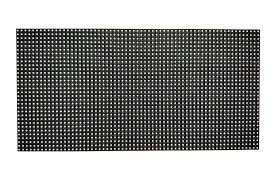
1. Core Components and Material Quality
The foundation of any LED display is its Light Emitting Diodes (LEDs) themselves. Modern displays predominantly utilize SMD (Surface-Mounted Device) LEDs, which enable higher resolution and better viewing angles. Key parameters include:
- LED Chip Quality: High-grade gallium nitride (GaN) or indium gallium nitride (InGaN) semiconductors provide stable luminous efficiency and longevity. LED binning processes, adhering to JEDEC standards, ensure consistent color and brightness across modules.
- Substrate and PCB Design: Rigid and flexible PCBs with high-quality copper traces improve thermal dissipation and electrical conductivity, critical for preventing hot spots and ensuring uniform luminance.
2. Precision Manufacturing Techniques
Achieving pixel precision demands state-of-the-art assembly techniques, often involving automated pick-and-place machines with microscopic accuracy. Key processes include:
- Soldering Quality Control: High-precision reflow soldering minimizes cold joints, a major cause of early display failure. Real-time solder paste inspection (SPI) and X-ray inspection systems are now standard.
- Module Encapsulation: To protect LEDs from environmental factors like moisture and dust, conformal coating and epoxy potting are applied. These methods extend lifespan, especially in outdoor environments.
3. Thermal Management and Reliability Standards
Thermal management is paramount for LED longevity and performance. Inefficient heat dissipation leads to color shifts, reduced brightness, and premature failure. Innovations include:
- Heat Sink Mechanics: Aluminum and copper heat sinks are integrated to optimize thermal conduction. Some designs incorporate active cooling solutions such as fans or liquid cooling for large, high-brightness LED walls.
- Thermal Interface Materials (TIM): Advanced TIMs improve heat transfer between LED chips and heat sinks. Their thermal resistivity often ranges between 0.1 to 0.5 W/m·K, significantly impacting overall system reliability.
- Standards Compliance: Manufactures must align with IEC 62717 (LED modules for general lighting – performance requirements) and ISO 9001 quality management systems, ensuring reproducibility in performance and conformity.
4. Optical Performance and Calibration
Modern LED displays require uniform brightness and color accuracy to maintain visual integrity across large surfaces:
- Calibration Techniques: Automated calibration systems correct for luminance and chromaticity variations caused by LED aging or manufacturing tolerances. Brightness uniformity levels of ≥90% and color deviation (ΔE) below 3 are typical targets.
- Optical Lenses and Diffusers: Precision-engineered lens arrays shape the viewing angle, typically between 120° to 160°, while ensuring minimal LED pixel crosstalk and enhanced contrast ratios.
5. Environmental Durability and Testing
To ensure operational reliability, LED displays undergo rigorous testing protocols encompassing:
- Ingress Protection (IP) Ratings: Outdoor LED displays often achieve IP65 or higher, indicating strong resistance to water jets and dust ingress.
- Shock and Vibration Testing: Compliance with MIL-STD-810G or equivalent standards guarantees robustness during transportation and installation.
- UV and Weather Resistance: Specialized coatings prevent degradation from UV exposure and extreme weather, crucial for displays operating in harsh outdoor environments.
6. Case Studies and Industry Applications
Renowned installations such as Times Square digital billboards and major sports venues utilize these manufacturing standards to maintain continuous operation and audience engagement. For instance, Samsung's LED signage adheres to stringent quality control and uses multi-layer calibration systems to ensure consistent visual output across thousands of square meters.
Conclusion
The manufacturing of LED displays is a complex synergy of advanced materials, precise assembly, robust thermal management, and rigorous quality controls. Adherence to international industry standards and implementation of state-of-the-art manufacturing technologies ensures that modern LED displays deliver superior visual performance and long-term reliability. As the market evolves, continuous innovation in materials science and manufacturing processes will drive even higher standards, allowing LED displays to become more energy-efficient, adaptable, and immersive. Understanding these factors is vital for designers, manufacturers, and buyers aiming to deploy LED display solutions that are both cutting-edge and dependable.
References:
- IEC 62717 LED modules for general lighting – Performance requirements.
- JEDEC Semiconductor Engineering Standards.
- ISO 9001 Quality management systems – Requirements.
- MIL-STD-810G Environmental engineering considerations.
- LED Professional Review, Technical Papers on Thermal Management (2023).
- Samsung Electronics Whitepapers on LED display calibration.













