

Advanced Techniques and Best Practices in LED LCD Screen Manufacturing
LED LCD screen manufacturing is a highly specialized field that combines intricate engineering principles with cutting-edge technologies to produce displays that meet rigorous performance and quality standards. As global demand for LED LCD screens continues to rise—driven by applications ranging from consumer electronics to outdoor digital signage—industry professionals must understand both the fundamental and advanced aspects of the manufacturing process to ensure product reliability, longevity, and superior visual performance.
Understanding the Core Components of LED LCD Screens
A typical LED LCD screen integrates a liquid crystal display (LCD) panel backlit by light-emitting diodes (LEDs). The LED backlighting system can be categorized primarily into two types: edge-lit and direct-lit (full-array). Each type influences brightness, uniformity, and energy consumption differently, which must be carefully considered based on the intended application.
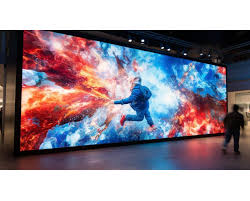
- Edge-lit LED LCDs employ LEDs along the perimeter of the screen. Light is guided using light guides to illuminate the LCD panel uniformly. This approach enables slimmer designs but may compromise uniformity if not precisely engineered.
- Direct-lit LED LCDs position LEDs directly behind the LCD panel. This allows for local dimming, improving contrast ratios and deeper blacks—a feature especially important for high dynamic range (HDR) content.
Material Selection and Optical Engineering
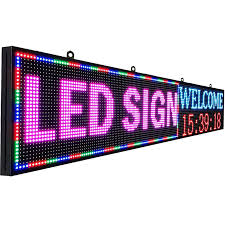
Material integrity is paramount for display durability and performance. Optical films such as diffuser sheets, prism sheets, and anti-reflective coatings enhance luminance and viewing angles. High-quality liquid crystal materials with rapid response times (typically 5ms or less) and stable temperature ranges (-20°C to 60°C) are standard industry benchmarks.
Using a multilayer optical stack optimized through ray tracing simulations can reduce light loss to under 15%, significantly boosting efficiency while maintaining color gamut coverage as defined by standards such as sRGB, AdobeRGB, and DCI-P3.
Advanced Manufacturing Processes
Modern LED LCD screen assembly involves precision automated processes, including surface mount technology (SMT) for LED placement, photolithography for patterning thin-film transistors (TFTs), and vacuum bonding techniques for panel lamination. Cleanroom conditions (ISO 5 or better) control particulate contamination, critical for ensuring uniform pixel performance across large panels.
Thermal management is addressed by integrating heat sinks, thermally conductive adhesives, and optimizing PCB (printed circuit board) layout to dissipate heat generated by densely packed LED arrays. This approach mitigates thermal-induced color shift and prolongs panel lifespan.
Quality Control and Testing
Industry standards such as the International Electrotechnical Commission's IEC 62087 outline methods for measuring power consumption and performance. Manufacturers employ electroluminescence testing, color uniformity mapping, and flicker measurement (targeting<1% flicker to reduce eye strain). Burn-in testing ensures longevity by simulating prolonged use, confirming components withstand operating stresses.
Metrology tools like spectroradiometers and goniophotometers verify compliance with metrics for brightness (cd/m²), contrast ratio (often exceeding 5000:1 for premium models), and color accuracy (Delta E< 2).
Case Study: Improving Outdoor LED LCD Signage Durability
In outdoor environments, LED LCD screens face challenges including ultraviolet exposure, humidity, and temperature extremes. A recent project achieving IP65-rated enclosures combined enhanced hydrophobic coatings on the panel surface with UV-stabilized LED chips from top-tier suppliers like Nichia and Cree. By incorporating dynamic brightness adjustment algorithms, the display adapts to ambient light, maintaining energy efficiency while ensuring visibility under direct sunlight exceeding 10,000 cd/m².
Sustainability and Emerging Trends
Sustainability practices are becoming pivotal in manufacturing, with an emphasis on reducing lead content, utilizing recyclable materials, and minimizing power consumption through efficient drivers and low-voltage LEDs.
Emerging trends include MicroLED integration for higher pixel density and brightness, quantum dot layers for expanded color gamuts, and AI-based calibration systems to dynamically calibrate color and brightness metrics in real-time.
Conclusion
Manufacturing high-quality LED LCD screens demands a deep understanding of optical physics, materials science, thermal engineering, and precise assembly methodology. Adhering to international standards and leveraging advanced technologies ensures displays meet the evolving needs of diverse applications—offering enhanced visual experience, durability, and energy efficiency. As the industry advances, continuous innovation will drive further improvements in display performance and sustainability.
References:
- International Electrotechnical Commission (IEC) 62087: Methods of measurement for power consumption
- "Display Technology Trends," SID Symposium Digest of Technical Papers, 2023
- Nichia Corporation Technical Data Sheets on LED Reliability
- Cree Inc. Application Notes on Thermal Management in LED Assemblies













