

How LED Display Technology Enhances Real Estate Marketing and Sales
In today’s competitive real estate market, effective marketing strategies are crucial to attract potential buyers and investors. Among various marketing tools, LED display technology has emerged as a powerful medium to showcase property developments dynamically, providing immersive visual experiences that static billboards or printed advertisements cannot match. This article explores how LED displays are transforming real estate marketing by integrating technological advancements, practical design considerations, and real-world applications.
Understanding LED Displays in Real Estate
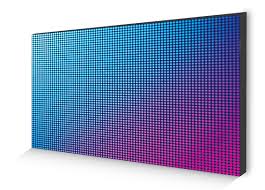
LED (Light Emitting Diode) displays are digital signages that consist of multiple small LEDs to create high-resolution, vibrant images or videos. For real estate uses, LED screens are typically installed outdoors or indoors at sales centers, exhibition halls, and building exteriors, enabling real-time content updates and interaction. Their brightness, color accuracy, and viewing angles make them ideal for attracting attention even in daylight conditions.
Key Technical Parameters for Real Estate LED Displays
When selecting LED display solutions for real estate projects, several important technical specifications must be considered:
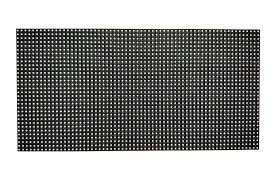
- Pixel Pitch: This refers to the distance between two adjacent LEDs, measured in millimeters. A smaller pixel pitch (e.g., 1.5mm to 4mm) provides higher resolution, suitable for close-range viewing typically found inside sales offices, while larger pitches (10mm to 20mm) are common for outdoor large-scale billboards.
- Brightness: Measured in nits (cd/m²), LED brightness for outdoor real estate displays often exceeds 5000 nits to ensure visibility under direct sunlight. Indoor displays generally require lower brightness levels (800-1500 nits) to prevent glare but maintain vividness.
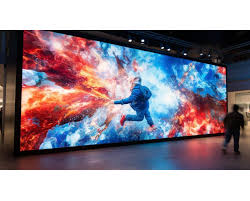
- Refresh Rate: High refresh rates (above 1920Hz) minimize flicker and ensure smooth video playback, important for displaying virtual tours, animations, and promotional videos effectively.
- Viewing Angle: A wide horizontal and vertical viewing angle (typically over 120°) ensures the display is visible from various perspectives in property showcases or public spaces.
- Durability and Weather Resistance: Outdoor LED screens must comply with IP65 or higher waterproof and dustproof ratings to withstand environmental factors such as rain, wind, and UV exposure.
Applications of LED Displays in Real Estate Marketing
LED technology offers versatile applications tailored to the unique demands of real estate promotion:
- Dynamic Property Listings: LED screens can display updated information about available units, pricing, special offers, and project status changes instantly, enabling efficient communication with potential buyers.
- Interactive Sales Kiosks: Incorporating touch functionality transforms LED displays into interactive sales aids, allowing visitors to explore floor plans, 3D walkthroughs, and community features at their own pace.
- Exterior Building Signage: Large-format LED billboards installed on building facades or nearby high-traffic locations attract investment interest by highlighting project highlights, construction milestones, and branding.
- Event and Launch Promotions: During property launches or open house events, LED screens can showcase promotional videos, live streams, guest speakers, and social media feeds to create an engaging atmosphere.
Case Study: Enhancing a Residential Development Launch with LED Displays
A leading real estate developer recently implemented a combination of large outdoor LED billboards and indoor interactive screens to promote a new residential complex. The outdoor LED display, measuring 15m x 6m with a 10mm pixel pitch, was strategically placed along a busy highway. It broadcasted high-definition videos illustrating the architectural design, amenities, and lifestyle benefits, achieving a significant boost in brand visibility measured via traffic analytics.
Meanwhile, inside the sales gallery, 4mm pixel pitch LED wall panels integrated with touchscreen capabilities allowed potential buyers to experience immersive 3D walkthroughs and customize layouts, resulting in a 25% increase in sales conversion rates within the first three months.
Industry Standards and Best Practices
According to the Digital Signage Federation (DSF) and the International Electrotechnical Commission (IEC), ensuring compliance with electrical safety, electromagnetic compatibility, and environmental sustainability is crucial when deploying LED displays. Additionally, proper installation, calibration, and ongoing maintenance maximize the lifespan and performance of signage.
Future Trends in Real Estate LED Display Technology
Advancements such as micro-LED and transparent LED technology are poised to revolutionize real estate marketing further. Transparent LED glass facades allow dynamic content without obstructing natural light or views, while micro-LEDs offer ultra-high resolution with improved energy efficiency. Integration with Artificial Intelligence (AI) and Internet of Things (IoT) enables personalized content delivery based on audience demographics and behavior.
Conclusion
The integration of LED display technology in real estate marketing represents a significant step forward in engaging potential buyers and communicating value propositions effectively. By leveraging the right technical specifications, ensuring compliance with industry standards, and embracing innovative applications, real estate professionals can enhance visual storytelling, create immersive experiences, and ultimately drive sales growth.
For developers, marketers, and display engineers seeking to gain competitive advantages, adopting LED display solutions customized to their project needs is an investment promising high returns and sustained market presence.













