

Advanced LED Passenger Information Displays Enhancing Transit Communication Efficiency
In the rapidly evolving landscape of public transportation, LED passenger information displays have become indispensable tools for delivering real-time updates and enhancing commuter experience. These systems combine high visibility, durability, and dynamic content capabilities, ensuring that transit authorities can effectively communicate schedules, alerts, and service changes.
Modern LED display panels for passenger information are designed with energy efficiency and longevity in mind. Utilizing SMD (Surface-Mounted Device) LED technology, these displays achieve high brightness levels—ranging from 4,000 to 8,000 nits—ensuring clear visibility even under direct sunlight, as stipulated by industry standards such as IEC 60529 for ingress protection. The pixel pitch, typically between 2.5mm and 6mm for indoor or sheltered stops and around 10mm or higher for outdoor environments, balances resolution and cost-effectiveness, optimizing information clarity.
One critical aspect is the integration of these displays with real-time data management systems. Through standardized communication protocols like MQTT or REST APIs, transit operators can update schedules, delays, and emergency notices instantaneously. Moreover, LED passenger information units support multilingual displays and Unicode characters to cater to diverse commuter populations in metropolitan hubs worldwide.
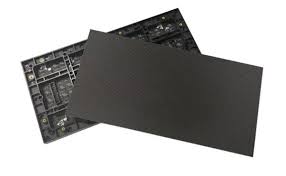
Durability is another pivotal criterion, given that these displays operate continuously in various weather conditions. Protection ratings of IP65 or higher ensure resistance to dust and water, enabling reliable outdoor function. The display modules also embody hardware redundancy and automatic fault detection to minimize downtime, adhering to norms such as EN 50129 for safety-related electronic systems.
The customization of content, including scrolling text, countdown timers, and graphical icons, adds to the display’s versatility. This capability improves accessibility for people with disabilities by coupling visual data with audible announcements synchronized through integrated multimedia systems, aligning with ADA (Americans with Disabilities Act) and EN 301 549 standards.
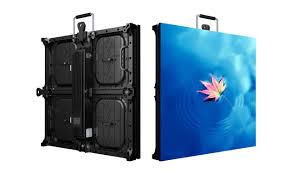
From a maintenance perspective, modular design allows for easy replacement of faulty panels or LED modules without system-wide shutdowns, significantly reducing operational costs. Remote diagnostics via IoT-enabled platforms further streamline maintenance workflows by providing real-time health monitoring and predictive analytics.
Case studies from leading cities illustrate the tangible benefits of these advanced LED passenger information displays. For example, Transport for London (TfL) employs high-resolution LED matrix boards across its network, enabling precise service updates that reduce passenger uncertainty and improve overall satisfaction. Similarly, Singapore’s Land Transport Authority integrates these displays with smart traffic management systems to optimize passenger flow and safety.
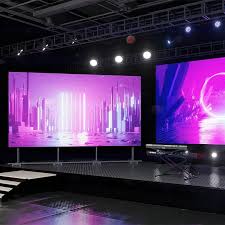
In conclusion, the deployment of state-of-the-art LED passenger information displays is a cornerstone of modern transit infrastructure. They provide robust, adaptable, and user-friendly communication platforms that boost operational efficiency and elevate commuter convenience. As urban transit demands continue to grow, investing in these advanced LED solutions is vital for fostering efficient, safe, and inclusive public transportation environments.













