

Waterproof Outdoor Digital Signage: Technology, Standards, and Best Practices
In today’s fast-evolving digital landscape, waterproof outdoor digital signage is becoming indispensable for businesses, municipalities, and advertisers aiming to engage audiences in diverse weather conditions. These displays are engineered to withstand harsh environments while delivering high-impact, visually compelling content. This article delves into the critical technical specifications, industry standards, and implementation strategies ensuring optimal performance and reliability of waterproof outdoor digital signage systems.
Understanding Waterproof Outdoor Digital Signage
Outdoor digital signage refers to electronic display systems designed for public spaces such as streets, stadiums, transportation hubs, and retail exteriors. When combined with waterproofing, these signs ensure uninterrupted operation in rain, snow, humidity, and extreme temperature fluctuations. The technology integrates LED or LCD displays with specialized enclosures that prevent water ingress and protect internal electronics.
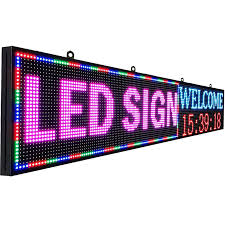
Key Technical Parameters:
1. Ingress Protection (IP) Ratings
The IP rating is the foremost standard for measuring waterproof and dustproof performance. For outdoor digital signage, a minimum rating of IP65 is generally required. This rating guarantees complete dust protection and the ability to withstand low-pressure water jets from any direction. Higher ratings like IP66 or IP67 provide increased resistance to water submersion or harsher conditions. Adherence to these ratings is essential to prevent damage to delicate LED components and control modules.
2. Brightness and Contrast Ratio
Outdoor signage requires extremely high brightness levels, typically ranging from 2500 to 7000 nits, to maintain visibility under direct sunlight. Contrasts ratios of 3000:1 or higher help preserve image clarity and sharpness despite ambient light interference. LED displays, particularly those using SMD (Surface Mounted Device) technology, offer superior brightness and energy efficiency compared to traditional LCDs, making them ideal for outdoor applications.
3. Temperature Range
Outdoor digital signage must operate reliably across broad temperature ranges, often from -20°C to +50°C (-4°F to 122°F) or more. This is facilitated by internal thermal management systems such as heat sinks, fans, and ventilation channels, ensuring longevity and preventing thermal failure.
4. Durability and Material
Robust enclosures made of materials like powder-coated aluminum or stainless steel provide mechanical protection against impacts, vandalism, and corrosion. Using tempered or laminated glass with anti-reflective and anti-glare coatings further enhances display durability and readability.
Industry Standards and Certifications
Adoption of global industry standards ensures waterproof outdoor digital signage meets rigorous quality and safety criteria:
- IEC 60529 for IP ratings: Defines degrees of protection against solids and liquids.
- UL 48 and UL 60950: Safety standards addressing outdoor electrical signs’ construction and fire risk mitigation.
- RoHS (Restriction of Hazardous Substances Directive) ensures environmentally compliant materials.
- MIL-STD-810G and IK10 standards may apply for military-grade durability and impact resistance in extreme environments.
Best Practices for Deployment and Maintenance
1. Site Assessment
Perform thorough site evaluations to identify lighting conditions, exposure to elements, proximity to power sources, and potential vandalism risks. This helps in selecting appropriate enclosure ratings and display technologies.
2. Weatherproof Installation
Sealing cable entries with silicone gaskets and using weatherproof connectors prevent moisture ingress. Elevating the signage slightly off the ground can protect against flooding or standing water.
3. Remote Monitoring and Diagnostics
Integrating networked management software enables real-time monitoring of display performance, temperature, and humidity levels, allowing proactive maintenance and minimizing downtime.
4. Regular Cleaning and Inspection
Accumulation of dirt and debris can reduce waterproof efficiency and image quality. Periodic cleaning with approved materials and inspection of seals help maintain operational integrity.
Case Study: Urban Transit System
A metropolitan transit authority deployed waterproof LED signage across bus stops and subway entrances. Utilizing IP67-rated enclosures with brightness levels exceeding 5000 nits, the signage maintained excellent visibility even during torrential rain and broad daylight. Their preventive maintenance protocol, guided by remote monitoring, reduced downtime by 30%, significantly improving commuter information accessibility.
Conclusion
Waterproof outdoor digital signage combines cutting-edge LED technology, rigorous engineering, and compliance with stringent standards to deliver resilient, high-performance display solutions. Proper understanding of technical specifications such as IP ratings, brightness, and temperature tolerance—combined with best installation and maintenance practices—ensures these displays remain effective communication tools in any outdoor environment.
For businesses and municipal operators seeking durable and visually compelling outdoor signage, investing in waterproof technology is a proven strategy that meets the demands of today’s dynamic urban and commercial landscapes.
Authoritative references:
- International Electrotechnical Commission (IEC) Standards
- Underwriters Laboratories (UL) Safety Standards
- Society for Information Display (SID) Publications
- MIL-STD-810G Environmental Engineering Considerations













