

Advanced Technical Insights into LED Display Manufacturing and Performance Optimization
In the rapidly evolving field of display technologies, LED displays stand out due to their superior brightness, contrast ratios, and versatile application possibilities across industries, ranging from outdoor advertising to control rooms and stadium screens. As a seasoned professional LED display engineer, this article delves into the technical nuances of LED manufacturing processes, performance parameters, and optimization strategies pertinent to international markets.
Fundamentals of LED Display Technology
LED (Light Emitting Diode) displays comprise an array of tiny LEDs that together form images and videos by modulating their light intensity. The core components include LEDs categorized by color — commonly red, green, and blue (RGB) — assembled on Printed Circuit Boards (PCBs) with precise pitch configurations. Pixel pitch, defined as the distance in millimeters between the centers of adjacent pixels, is a critical parameter affecting display resolution and viewing distance. Industry standards, such as MIL-STD-3009 for visual displays, emphasize the importance of pixel pitch in delivering optimal image clarity.
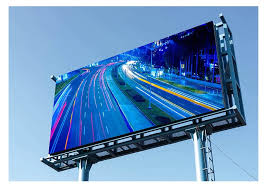
Material Selection and LED Brightness
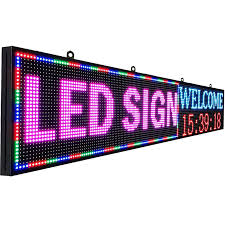
Choosing high-quality semiconductor materials, typically InGaN (Indium Gallium Nitride) for blue and green LEDs and AlGaInP (Aluminum Gallium Indium Phosphide) for red LEDs, enables higher luminous efficacy and color stability. Typical brightness levels for outdoor LED displays reach between 5,000 to 8,000 nits, significantly exceeding LCD counterparts, ensuring visibility under direct sunlight. Professional-grade LED models often employ IC drivers like MBI5153 or Chipone Ch2153, allowing for high refresh rates (≥1920Hz) and grayscale accuracy (10 to 14-bit depth).
Manufacturing Process and Quality Assurance
The manufacturing workflow starts with LED chip fabrication, followed by die-bonding onto PCBs with strict electrostatic discharge (ESD) control. Surface-mount technology (SMT) ensures precise placement; contemporary machines achieve placement accuracy within ±25 microns. Post-assembly, the displays undergo reflow soldering, encapsulation with silicon gels for waterproofness, and stringent testing phases including:
- Burn-in testing for stability of brightness and chromaticity over 72 to 168 hours.
- Environmental stress testing under temperature ranges of -40°C to +85°C to verify reliability.
- Electromagnetic compatibility (EMC) tests per IEC 61000 standards.
These procedures align with international certifications like CE, FCC, and RoHS that guarantee safe and eco-friendly products.
Performance Optimization Techniques
To maximize performance, engineers implement several techniques during design and manufacturing:
1. Thermal Management: High-brightness LEDs generate substantial heat. Employing aluminum PCBs with efficient heat sinks and forced airflow cooling methods prevents premature LED degradation and signal distortion.
2. Calibration and Color Uniformity: Color calibration using spectroradiometers ensures consistent chromaticity coordinates (typically conforming to CIE 1931 standards), minimizing color shifts across viewing angles. Gamma correction and Advanced High Dynamic Range (HDR) processing improve image richness and shadow detail.
3. Dynamic Refresh and Power Efficiency: Selecting driver ICs with PWM (Pulse Width Modulation) at frequencies exceeding 1kHz avoids flicker perception. Low power consumption designs extend lifespan and reduce operational costs. Typical power densities range from 300 to 600 W/m² depending on display size and brightness.
Emerging Trends and Case Studies
The LED display industry is witnessing innovations such as micro-LED technology, which integrates smaller LEDs at sub-millimeter pitches (<0.5mm), enabling ultra-high resolution suitable for augmented reality (AR) and wearable devices. Companies like Samsung and Sony have pioneered micro-LED mass production, addressing scalability challenges.
In a practical case, a stadium LED display with a 10mm pixel pitch was upgraded to a 4mm pitch screen, yielding a fourfold increase in pixel density and significantly better audience engagement. The retrofit involved recalibration and power supply enhancement to handle increased LED counts without compromising system stability.
Conclusion
Mastery of LED display manufacturing requires deep understanding of semiconductor materials, precision engineering, and rigorous quality control. By adhering to international standards and leveraging cutting-edge technology, manufacturers deliver reliable, high-performance LED displays that meet diverse application demands globally. Continuous innovation in thermal management, color calibration, and pixel miniaturization will shape the future landscape of LED display technology.
For professionals and businesses aspiring to deploy or manufacture LED displays, investing in detailed engineering insight and quality assurance is paramount to achieve longevity, optimal visual fidelity, and cost efficiency.













