

Color Calibrated LED Displays: Enhancing Visual Accuracy and Performance
In the rapidly evolving landscape of display technology, the significance of color accuracy in LED displays has become paramount. Color calibrated LED displays ensure that the colors rendered on screen are true-to-life, consistent, and reliable across various environmental conditions and usage scenarios. This article delves into the technical foundations, practical advantages, industry standards, and application insights of color calibrated LED displays, providing a comprehensive guide for professionals and enthusiasts aiming to elevate visual performance through precise color management.
Understanding Color Calibration in LED Displays
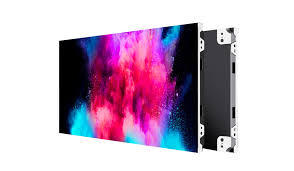
Color calibration refers to the systematic adjustment of a display’s color output to match an established color standard or profile. For LED displays — which use light-emitting diodes as their source — calibration adjusts the intensity and chromaticity of red, green, and blue (RGB) subpixels to achieve accurate color reproduction. The goal is to closely align with international colorimetry standards such as the CIE 1931 color space and to comply with recognized color profiles like sRGB, Adobe RGB, or DCI-P3 depending on the target application.
Technical Parameters and Calibration Processes
Key parameters involved in color calibration include:
- Gamma Curve Adjustment: Gamma controls the luminance response of the display. Maintaining an industry standard gamma value (commonly 2.2 for SDR content) ensures proper brightness rendition and contrast.
- Color Gamut Coverage: A color calibrated LED display offers wide gamut coverage, often exceeding 90% of DCI-P3 or Adobe RGB, essential for professional graphics and cinema applications.
- White Point Accuracy: Achieving a standardized white point, typically D65 (6500K), ensures that white tones are consistent under different ambient lighting levels.
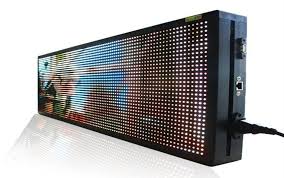
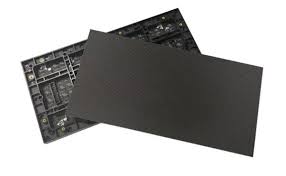
- Uniformity Correction: Calibration corrects for non-uniform brightness and color distribution across the panel, which is vital for large LED video walls and high-definition signage.
The calibration process often employs hardware colorimeters or spectroradiometers combined with sophisticated software algorithms that adjust the driving currents of LEDs with precision. Advanced systems include multi-point calibration and 3D LUT (Look-Up Table) mapping, enhancing fidelity by correcting non-linear color errors throughout the spectrum.
Industry Standards and Quality Assurance
Trusted standards and testing protocols guarantee that LED displays meet stringent color performance criteria. The International Electrotechnical Commission (IEC) provides the IEC 61966 series for color management in display devices, while the Society of Motion Picture and Television Engineers (SMPTE) sets benchmarks for color space and gamma standards in broadcast and cinema environments. Additionally, the Digital Imaging and Communications in Medicine (DICOM) standard aids calibration in medical imaging where color accuracy can be critical for diagnostics.
Regular factory calibration followed by on-site verification ensures that displays maintain color integrity over time, compensating for LED aging and environmental factors like temperature and humidity changes. Leading manufacturers implement ISO 13406-2 compliance to guarantee minimal chromatic aberrations and brightness decay.
Applications of Color Calibrated LED Displays
1. Broadcast and Cinematography: In professional studios, color calibrated LED displays serve as reference monitors to ensure content creators view the exact colors broadcasted to viewers. Precise calibration helps maintain uniformity across multiple viewing devices.
2. Medical Imaging: Surgical procedures and diagnostic imaging benefit from displays that render subtle color variations accurately, improving detection and analysis.
3. Advertising and Retail: Outdoor LED signage utilizes color calibration to compensate for ambient light and ensure brand colors remain consistent and attractive in varied conditions.
4. Virtual Reality and Simulation: Enhanced color fidelity in immersive displays improves realism and user experience by faithfully reproducing environmental colors.
5. Industrial and Control Rooms: Critical control centers depend on color calibrated displays for accurate interpretation of visual data, which can influence key operational decisions.
Challenges and Solutions in Maintaining Color Accuracy
Monitoring and sustaining calibration is challenging due to the inherent characteristics of LEDs, such as gradual brightness degradation (lumen depreciation) and color shift caused by temperature fluctuations. To mitigate these issues, real-time calibration systems integrating sensors within the display panels have been developed. These closed-loop feedback systems adjust LED driving parameters dynamically to sustain color stability and uniformity throughout the operational lifecycle.
Future Trends in Color Calibration Technologies
The advent of Mini-LED and Micro-LED technologies offers enhanced control over pixel-level brightness and color, pushing color calibration precision to new heights. Furthermore, the integration of AI-driven calibration algorithms is poised to optimize calibration schedules and automatically adjust parameters based on environmental sensing and usage patterns.
Conclusion
Color calibrated LED displays stand as a benchmark for visual accuracy and consistency in an array of professional fields. By adhering to meticulous calibration protocols, leveraging cutting-edge technology, and conforming to international standards, these displays provide users with a reliable and vibrant visual experience. As display technology advances, ongoing investment in color calibration expertise and solutions will remain critical in meeting the demands of both content creators and consumers worldwide.
References:
- IEC 61966-2-1: International Standard for sRGB Color Space
- SMPTE ST 2084: HDR and Gamma Standards
- ISO 13406-2: Ergonomic requirements for flat panel displays
- CIE 1931 Color Space: Commission Internationale de l’Eclairage
- “Display Color Calibration: Techniques and Challenges,” Journal of Display Technology, IEEE, 2021













