

Advances and Practical Insights in LED LCD Screen Manufacturing: Applications, Challenges, and Trends
The LED LCD screen manufacturing industry has witnessed substantial evolution driven by technological advancements, increasing demand for higher resolution displays, and expansion into new application sectors. As a professional LED display engineer with extensive experience, this article delves into the sophisticated processes, practical applications, inherent advantages, common challenges, and emerging trends defining modern LED LCD screen production.
Technical Foundations and Manufacturing Parameters
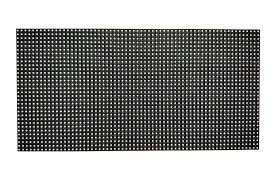
LED LCD screens combine the benefits of Liquid Crystal Display (LCD) technology with Light Emitting Diode (LED) backlighting. The integration involves key manufacturing parameters such as pixel pitch, resolution, brightness, contrast ratio, and color gamut coverage. A typical high-end LED LCD panel today offers:
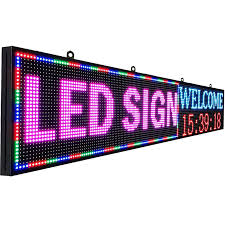
- Pixel Pitch: Ranges from 0.5mm to 1.5mm for indoor displays, ensuring sharp image clarity and reducing pixelation.
- Brightness: Often between 600 to 1200 nits for indoor use; outdoor models can exceed 5000 nits to combat ambient light.
- Contrast Ratio: Modern LED LCDs achieve upwards of 4000:1, leveraging advancements in IPS or VA LCD panel technologies.
- Color Gamut: Supports up to 98% of DCI-P3 or Rec. 709, achieving vivid and accurate color representation for professional graphics.
The manufacturing workflow typically starts with glass substrate preparation, followed by precise transistor array fabrication via photolithography. Subsequently, liquid crystals are injected, and LED modules are integrated to form the backlighting layer. Advanced process controls such as cleanroom environments, automated optical inspection (AOI), and defect mapping systems ensure high yield and reliability.
Practical Applications Across Industries
LED LCD screens have become essential across diverse sectors:
- Broadcasting and Media: High-resolution LED LCD walls provide immersive viewing experiences for news studios and live event productions.
- Retail and Advertising: Digital signage with LED illuminated LCDs offers durability and brightness necessary for both indoor and outdoor advertising.
- Healthcare: Medical imaging equipment benefits from LED LCD’s color accuracy and contrast, vital for diagnostic precision.
- Transportation: Airports and railway stations rely on large-format LED LCD displays for schedules and information due to their visibility and weather resistance.
- Consumer Electronics: From smartphones to TVs, LED LCD technology continues to evolve for enhanced visual quality and energy efficiency.
Advantages of LED LCD Technology
The key advantages leading manufacturing adoption include:
- Energy Efficiency: LED backlighting significantly reduces power consumption compared to traditional CCFL backlights while providing higher brightness.
- Improved Lifespan: LEDs have longer operational life spans (up to 100,000 hours) and better durability against shock and vibration.
- Slim Profile: LED backlighting enables thinner display panels, supporting the demand for sleek consumer devices and compact installations.
- Superior Image Quality: LED backlights can be locally dimmed, improving contrast and dynamic range critical for HDR (High Dynamic Range) content.
- Environmental Compliance: LEDs avoid mercury use, aligning with RoHS (Restriction of Hazardous Substances) directives and reducing hazardous waste.
Common Challenges in Manufacturing and Deployment
Despite its advantages, LED LCD screen manufacturing faces several hurdles:
- Heat Dissipation: High-brightness LEDs generate heat that can impact panel longevity and color stability, necessitating advanced thermal management solutions.
- Uniformity Issues: Achieving consistent brightness and color uniformity across large panel areas demands precision calibration techniques.
- Cost Constraints: While prices have decreased, high-end LED LCD panels remain capital intensive, especially when integrating ultra-fine pixel pitches.
- Moisture Sensitivity: Liquid crystals and LEDs are sensitive to moisture ingress, requiring robust sealing and encapsulation.
- Viewing Angle Limitations: Although IPS panels improve viewing angles, some applications still experience color shifts that necessitate additional optical compensation layers.
Emerging Trends and Innovations
Current developments are reshaping the LED LCD manufacturing landscape:
- Mini-LED and Micro-LED Backlighting: These technologies use thousands of tiny LEDs to achieve superior local dimming, higher contrast ratios, and finer control over brightness zones.
- Flexible and Transparent Displays: Integrating flexible substrates and transparent LEDs is expanding applications into automotive HUDs and interactive store windows.
- AI-enabled Quality Control: Machine learning algorithms are being deployed for defect detection, predictive maintenance, and process optimization to increase manufacturing yields.
- Sustainability Focus: Eco-friendly material sourcing, energy-efficient production lines, and end-of-life recyclability programs are becoming industry norms.
- HDR and Wide Color Gamut Standards: Compliance with standards like HDR10+, Dolby Vision, and BT.2020 enhances the visual experience, particularly in professional and consumer entertainment.
In conclusion, LED LCD screen manufacturing is a mature but dynamically evolving industry requiring precision engineering, materials expertise, and innovative problem-solving. Understanding the interplay of technical parameters, real-world applications, and emerging technologies is critical for engineers and manufacturers aiming to deliver high-performance displays that meet market demands and regulatory standards. With ongoing advancements in miniaturization, efficiency, and smart manufacturing, LED LCD technology will continue to underpin the future of visual display innovations.
Authoritative References:
- International Commission on Illumination (CIE) standards
- Society for Information Display (SID) technical papers
- RoHS Directive (EU 2011/65/EU) compliance guidelines
- Recent case studies published by leading manufacturers such as Samsung Display and LG Display
- IEEE Transactions on Electron Devices related to backlighting and thermal management













