

The Critical Role of Precision Engineering in LED Display Manufacturing
In the rapidly evolving field of LED display technology, precision engineering stands as the cornerstone of product excellence and market success. As demand for high-resolution, energy-efficient, and durable LED displays intensifies globally, manufacturers must integrate advanced engineering principles with stringent quality control measures to meet and exceed industry standards.
The foundation of any LED display lies in its core components: LED chips, driver ICs, PCBs, and encapsulation materials. The selection and integration of these elements directly influence display performance metrics such as brightness, color accuracy, refresh rate, and lifespan. For instance, the implementation of COB (Chip on Board) technology has enabled higher pixel densities and improved thermal management, which are crucial for fine-pitch indoor displays that operate at resolutions as high as 4K UHD within compact form factors.
Thermal management in LED displays requires meticulous design efforts. Excessive heat can impair LED efficiency, leading to degraded brightness and faster aging. State-of-the-art heat dissipation solutions include the use of heat sinks, thermal interface materials with high conductivity (such as graphene-enhanced composites), and intelligent driver ICs that dynamically modulate current to prevent overheating. According to the International Electrotechnical Commission’s (IEC) standard IEC 62717, maintaining junction temperature below critical thresholds ensures reliability over the expected service life of 100,000 operating hours at specified luminance levels.
Another critical aspect is the accurate calibration of color and brightness uniformity. This involves multi-step calibration procedures using spectroradiometers and photometers to adjust drive currents and gamma curves for each display module. Implementing color space standards such as Rec. 709 or DCI-P3 ensures consistency and fidelity across the entire display surface, essential for professional applications like broadcast studios and control rooms. Additionally, advanced algorithms that compensate for LED aging and environmental changes contribute to long-term image stability.
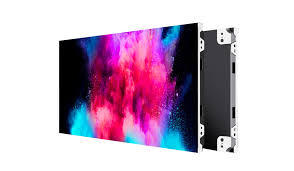
The mechanical design must address not only the protection of delicate LED elements but also ease of installation and maintenance. Modular designs featuring magnetic or snap-lock connectors facilitate rapid assembly and reduce downtime during field servicing. Industry best practices emphasize IP-rated enclosures — commonly IP65 or higher — to protect against dust and moisture ingress, thereby extending display longevity in outdoor installations. The utilization of corrosion-resistant materials and UV-resistant coatings further enhances durability.
In manufacturing, precision placement of LED chips on the PCB is vital. Automated pick-and-place machines equipped with vision systems ensure sub-millimeter accuracy, crucial for high-density displays where pixel pitch can be as tight as 0.7 mm. The reflow soldering process must be finely controlled to prevent thermal stress and achieve reliable electrical connections. Strict adherence to IPC-A-610 Class 3 standards, covering electronic assembly acceptability for high-performance products, is vital to prevent defects that can cause dead pixels or color inconsistencies.
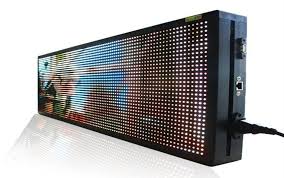
Quality assurance extends beyond visual inspection. Electrical testing using automated testers confirms the functionality of each LED module under various stimuli including voltage, current, and temperature stress tests. High-frequency refresh rates — typically 3,840 Hz or higher — are verified via oscilloscopic equipment to ensure flicker-free operation, especially critical for applications like live broadcasting and VR where eye strain must be minimized.
Environmental and regulatory compliance also cannot be overlooked. Compliance with RoHS (Restriction of Hazardous Substances) directives ensures materials are free from lead, mercury, cadmium, and other harmful substances. Additionally, adherence to Energy Star standards promotes energy efficiency, a significant consideration as large-scale LED displays consume substantial power. Manufacturers increasingly incorporate smart energy-saving modes and adaptive dimming features controlled via ambient light sensors.
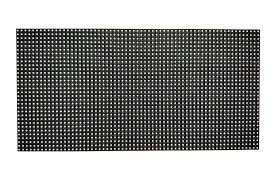
In conclusion, precision engineering is not merely a technical requirement but a strategic imperative in LED display manufacturing. Through rigorous component selection, meticulous thermal and optical management, precise assembly processes, and comprehensive quality assurance, manufacturers can deliver displays that are visually stunning, highly reliable, and compliant with international standards. This holistic approach enables LED displays to meet the increasing demands of diverse global markets, from retail and entertainment to industrial and transportation sectors.













