

Commercial LED Displays: Technology, Applications, and Industry Standards
In today’s fast-evolving digital landscape, commercial LED displays have become indispensable tools in advertising, information dissemination, and brand promotion. Understanding the technical intricacies, applications, and industry standards of commercial LED displays is essential for professionals and businesses aiming to leverage their full potential. This article provides an authoritative analysis, detailing the manufacturing parameters, performance characteristics, and practical applications of commercial LED displays with insights derived from industry experience and technical standards.
#Understanding Commercial LED Displays
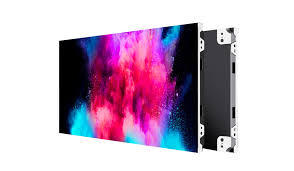
Commercial LED displays are large-format screen solutions that utilize light-emitting diode (LED) technology to produce vivid and dynamic visual content. Unlike traditional LCD screens, LED displays are self-emissive, which gives them advantages in brightness, energy efficiency, and viewing angles. Their modular design allows for scalable sizes ranging from small indoor panels to massive outdoor billboards.
#Technical Parameters and Industry Standards
The performance of a commercial LED display is primarily defined by several key technical parameters:
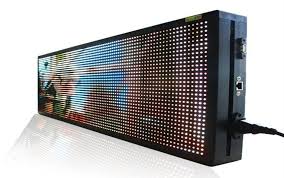
- Pixel Pitch: The distance between the centers of two adjacent pixels, typically ranging from 1.2 mm to over 20 mm. Smaller pixel pitch values (1.2-4 mm) are ideal for indoor high-resolution displays, while larger pitches (10 mm and above) serve outdoor applications where viewing distance is greater.
- Brightness: Measured in nits (cd/m²), brightness levels for outdoor displays usually exceed 5,000 nits to combat sunlight glare, whereas indoor displays require 300-1,000 nits. According to the IEC 62368-1 safety standard, LED exposure limits must be adhered to ensure safety and compliance.
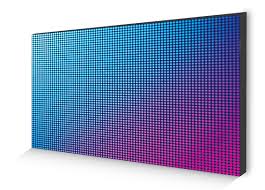
- Refresh Rate: A higher refresh rate (at least 3,840 Hz) is crucial for smooth video playback and to eliminate flickering on camera recordings, especially for broadcast or live event use.
- Contrast Ratio: High contrast ratios contribute to image depth and clarity. LED displays can easily achieve ratios exceeding 5,000:1, outperforming many LCD counterparts.
- Viewing Angle: Commercial LED displays offer wide viewing angles typically around 140° horizontal and vertical, ensuring visibility from multiple perspectives.
- Color Processing: True 16-bit color depth or higher with advanced calibration techniques like gamma correction and color temperature adjustment deliver precise color reproduction.
Most manufacturers adhere to international standards such as UL and CE certification and comply with the RoHS directive for environmental considerations. Additionally, the IEC 60950-1 directive addresses electrical safety for LED electronic components.
#Manufacturing Process and Quality Control
The manufacturing of commercial LED displays involves precise placement of LEDs onto PCBs in modules, which are then assembled into larger panels. Quality control is critical at all stages to ensure uniform brightness and color consistency. Automated optical inspection (AOI) systems detect defective LEDs, while thermal imaging checks for heat distribution to prevent hotspots. Reliability testing includes vibration, humidity, and temperature cycling to guarantee long life spans, often exceeding 50,000 hours of operation.
#Applications of Commercial LED Displays
Retail and Advertising: High-resolution LED displays attract consumer attention in shopping malls and storefronts, enabling interactive promotions with real-time content updates.
Transportation Hubs: Airports and subway stations utilize robust LED signage for dynamic scheduling information and emergency alerts, benefiting from their high brightness and durability.
Sports Arenas and Events: Large LED screens deliver live video feeds and instant replays with vivid clarity, often integrated with cutting-edge video processing workflows.
Corporate Environments: Meeting rooms and lobbies feature LED walls to enhance presentations and company branding, providing immersive and customizable visual experiences.
Outdoor Digital Billboards: The capability to operate under extreme weather and high ambient light makes LED displays ideal for roadside advertising.
#Future Trends and Innovations
Emerging technologies such as MicroLED offer even greater pixel density and energy efficiency, promising ultra-high definition commercial displays. Integration with AI-driven content management systems facilitates personalized advertising and data-driven audience engagement. Additionally, improvements in flexible LED panels and transparent displays are expanding installation possibilities in architectural design.
#Conclusion
Commercial LED displays represent a convergence of cutting-edge technology, robust engineering, and versatile applications. By adhering to rigorous industry standards and leveraging advanced manufacturing techniques, the LED display industry continues to innovate and meet diverse market demands. Understanding the technical parameters and choosing the right specifications are essential for delivering impactful visual communication solutions.
For professionals in display technology, keeping abreast of evolving standards and technological advances is critical to optimizing performance and longevity in commercial LED display deployments.













