

Magic Cube LED Display Technology: Innovation, Performance, and Application Insights
In recent years, the Magic Cube LED display has emerged as a groundbreaking innovation in the LED screen industry, offering unparalleled versatility and visual impact across various applications. As a professional LED display engineer with extensive experience in LED LCD manufacturing, this article delves into the technical parameters, performance benefits, and industry-standard applications of Magic Cube LED displays to provide a comprehensive understanding of this advanced technology.
Understanding Magic Cube LED Displays
Magic Cube LED displays are characterized by their modular cube design, where multiple LED panels combine to form a three-dimensional matrix. Unlike conventional two-dimensional LED screens, Magic Cube displays enable dynamic content presentation in both 2D and 3D space. This modular approach allows for scalable installation, adapting to diverse environments such as retail, exhibitions, advertising, and entertainment.
A key technical specification is the pixel pitch, which ranges typically from 1.2mm to 3mm for indoor Magic Cube displays. This fine pixel pitch ensures high-resolution output with pixel densities exceeding 250,000 pixels per square meter, enabling crisp imagery and smooth text rendering. For outdoor variants, pixel pitch is usually broader (3mm to 10mm) but coupled with higher brightness levels, often exceeding 6,000 nits to maintain visibility under direct sunlight.
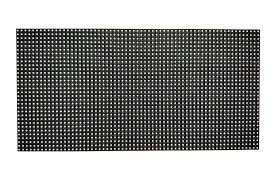
The LED module’s refresh rate is a critical quality indicator. Magic Cube LED displays generally operate with a refresh rate of 3,840 Hz or above, adhering to the highest broadcast and live event standards. High refresh rates eliminate flicker, making them suitable for real-time video broadcasting, immersive advertising, and augmented reality (AR) applications.
Manufacturing and Material Excellence
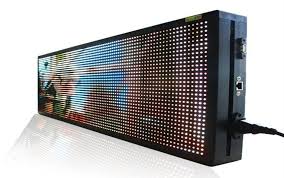
Manufacturing Magic Cube LED displays involves rigorous use of SMD (Surface Mounted Device) LED components which provide superior color consistency and longer lifespan compared to traditional DIP LEDs. The modules are housed in die-cast aluminum frames, ensuring excellent thermal dissipation and structural integrity that prevents deformation under prolonged use.
Compliant with international standards such as IEC 62368 for electronic device safety, and RoHS directives for hazardous substance restrictions, Magic Cube LED displays meet stringent environmental and operational safety benchmarks. This compliance minimizes the risks of electrical hazards and environmental harm, aligning with global sustainability goals.
Innovative Features and Technological Advancements
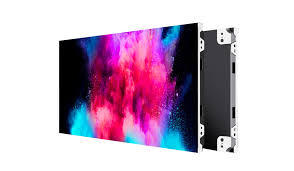
One pioneering feature of Magic Cube LED displays is their 360-degree seamless viewing capability. The cube structure allows content to be viewed clearly from multiple angles without distortion or color shift. This multi-faceted display enables creative content strategies, such as holographic effects and interactive visual storytelling, enhancing user engagement.
Additionally, embedded control systems employing advanced IC drivers (such as the MBI5124 or ICN2037 series) optimize power consumption and brightness calibration. These systems include intelligent temperature monitoring, enabling the display to adjust brightness based on ambient conditions, thereby extending the device’s operational lifespan and reducing energy costs.
Applications Across Industries
Magic Cube LED displays have found extensive applications across sectors:
- Retail and Advertising: Their striking 3D effects capture consumer attention in shopping malls and public spaces, significantly increasing brand visibility.
- Entertainment and Events: Large-scale concerts and exhibitions utilize Magic Cube displays for immersive stage backdrops, delivering extraordinary visual experiences aligned with audio and lighting systems.
- Corporate and Educational Use: Interactive Magic Cube setups facilitate engaging presentations and data visualizations, fostering enhanced communication.
- Public Spaces and Transportation: Seamless 360-degree displays provide real-time information such as schedules, advertisements, or public announcements, improving user experience.
Case Study: Urban Digital Installation
A leading European city implemented a Magic Cube LED display in a central plaza measuring 3m x 3m x 3m. Utilizing 1.5mm pixel pitch modules, the installation supported interactive 3D maps and live event broadcasting. Post-deployment analysis revealed a 40% increase in visitor engagement and demonstrable uplift in local business revenues due to enhanced advertising effectiveness.
Conclusion
Magic Cube LED displays represent a significant leap in LED technology, blending modular design with superior image quality, operational efficiency, and multidimensional content delivery. Their compliance with international safety and manufacturing standards guarantees reliability and sustainability. As global demand for captivating digital content grows, Magic Cube LED displays will continue to set new benchmarks in visual communication and interactive technologies.
For engineers and decision-makers in LED display manufacturing and deployment, understanding the intricate technological parameters and industry applications of Magic Cube LED displays is crucial to leveraging their full potential and delivering impactful visual solutions.













