

LED Displays for Sports Events: Enhancing Viewer Experience with Advanced Technology
In the rapidly evolving world of sports entertainment, LED displays have become an indispensable tool for enhancing the fan experience and delivering real-time information with stunning clarity. As a professional LED display engineer with comprehensive industry expertise, I will elucidate how LED displays for sports events integrate cutting-edge technology, meet rigorous performance standards, and transform stadium environments into immersive arenas.
Technical Overview of LED Displays for Sports Events
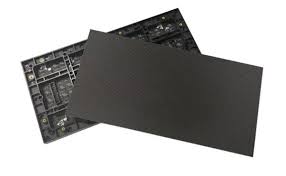
LED (Light Emitting Diode) displays have revolutionized the presentation of live sporting events due to their superior brightness, contrast ratio, and dynamic color reproduction. Modern stadium displays typically employ high-density SMD (Surface-Mounted Device) LEDs arranged in modules, offering pixel pitches ranging from 2mm to 10mm depending on viewing distance and display size requirements. For example, a P4 (4mm pixel pitch) display provides optimal clarity for medium-range viewing distances, whereas larger outdoor scoreboards might employ P10 or greater for far-ranging visibility.
Brightness levels of sports venue LED displays usually exceed 5,000 nits, a crucial factor for maintaining visibility under direct sunlight. Contrast ratios of 3,000:1 or higher ensure vibrant image quality, which is critical for displaying player statistics, instant replays, and advertising content. Additionally, refresh rates above 3,840 Hz eliminate flicker, guaranteeing blur-free visuals especially important for high-speed camera recording and broadcasting.
Industry Standards and Durability Requirements
Outdoor LED displays at sports venues must comply with stringent international standards such as the IEC 60598 for lighting safety and the IP65 rating for weather resistance, ensuring protection against dust and water ingress. Durability standards also cover mechanical robustness to withstand extreme weather conditions and crowd-induced vibrations. The lifespan of premium LED modules exceeds 100,000 operating hours, which translates to over 11 years of continuous usage, emphasizing long-term reliability and low maintenance costs.
Thermal management design is equally critical; efficient heat dissipation mechanisms prevent performance degradation under high ambient temperatures typical of open-air stadiums. The integration of temperature sensors and adaptive cooling systems helps maintain optimum operating conditions.
Transforming Sports Spectatorship Through Interactive LED Displays
LED displays go beyond mere scoreboards; they offer interactive capabilities that engage audiences directly. Integration with real-time data feeds allows for dynamic content updates, including instant replays, player biometrics, and social media interactions. Curved LED displays and panoramic screens create immersive visual fields, enhancing spectator immersion.
Moreover, secondary smaller LED panels are strategically positioned for closer viewing, providing fans seated at different angles with clear sightlines to game statistics and promotional content. Incorporating AI-driven content management systems enables operators to schedule and automate content delivery tailored to crowd demographics and real-time game scenarios.
Case Studies Demonstrating the Impact of LED Technology in Sports Venues
Several international sporting arenas exemplify successful LED display integration. The Tottenham Hotspur Stadium in London employs a 25,000 square feet LED system with pixel pitches as fine as P3.9, delivering ultra-high-definition visuals eliminating blind spots. Similarly, the Mercedes-Benz Stadium in Atlanta utilizes a circular halo LED board, one of the world’s largest, with brightness levels of over 6,500 nits, facilitating superior visibility in all lighting conditions.
These technologically advanced LED systems not only boost fan engagement but also generate additional revenue streams through dynamic advertising platforms. Advertisers benefit from real-time content flexibility and enhanced audience targeting, thereby maximizing ROI.
Future Trends and Innovations
The evolution of MicroLED and MiniLED technologies promises even higher resolution and energy efficiency for sports event displays. Innovations in transparent LED panels enable augmented reality experiences without obstructing natural views, offering next-generation opportunities for stadium design.
Furthermore, sustainability is becoming a pivotal consideration. LED displays with low power consumption and recyclable components align with global efforts to reduce carbon footprints in large-scale venues.
Conclusion
LED displays for sports events represent a convergence of advanced engineering, high-performance technical specifications, and user-centric design, fundamentally enhancing the worldwide sports viewing experience. Their ability to deliver bright, sharp, and dynamic images is crucial for modern stadiums seeking to maintain competitive advantage and elevate fan engagement. Understanding the intricacies of pixel pitch, brightness, refresh rates, and compliance with industry standards ensures that these systems are optimally deployed for decades of reliable service.
For sports organizations and venue operators, investing in state-of-the-art LED display technology transcends mere visual appeal—it is a strategic asset that drives audience satisfaction, operational efficiency, and financial profitability in an increasingly digital sporting landscape.













