

Open Frame Display Technology and Applications in Modern LED Screen Solutions
Open frame displays have become a pivotal component in contemporary LED screen solutions, blending versatility, durability, and design adaptability. Leveraging years of industry evolution and engineering innovations, these displays cater to diverse sectors such as retail, industrial control, gaming, and public information systems.
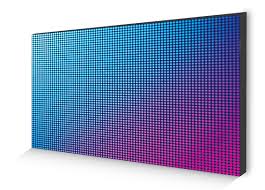
At their core, open frame displays are LCD or LED screen modules designed without traditional enclosures, allowing seamless integration into bespoke housings or kiosks. This modular characteristic makes them ideal for applications demanding customized physical interfaces and enhanced airflow, essential in environments where thermal management is critical.
Technical Specifications and Design Insight:
Typically, open frame displays come with a variety of screen sizes ranging from 7 inches to over 21 inches diagonally. Screen resolutions span standard HD (1280x720), Full HD (1920x1080), and increasingly, 4K UHD (3840x2160) for higher clarity needs. Panel technology options include IPS (In-Plane Switching) for wide viewing angles and consistent color reproduction, essential in retail digital signage where engagement from multiple perspectives is required.
Brightness ratings vary widely, from 250 cd/m² for indoor use to over 1000 cd/m² for semi-outdoor environments, facilitating clear visibility even under ambient lighting variations. Response times typically range between 5 to 15 ms, sufficient for dynamic content pastimes and interactive control panels.
Industry Standards and Reliability:
Manufacturing open frame displays adheres to international standards such as ISO 9241 for ergonomic display design and IEC 62679 for touchscreen reliability when integrated. Additionally, IP-rated models offer resistance against dust and moisture, broadening their utility in semi-outdoor or industrial scenarios.
Thermal management is paramount; thus, the open frame design inherently supports convection cooling, contrasted with enclosed LCDs that may require additional heat dissipation solutions. This not only enhances performance longevity but also reduces maintenance requirements—a significant advantage in 24/7 operational deployments.
Practical Applications and Case Studies:
In retail, open frame displays serve as digital price tags, interactive product catalogs, and queue management screens. For example, a North American electronics chain implemented 15.6-inch open frame panels with capacitive touch sensors within custom kiosk designs, resulting in a 30% increase in customer interaction rates.
Industrial automation sectors utilize ruggedized open frame displays integrated with human-machine interfaces (HMI). A European automotive manufacturer incorporated 12.1-inch industrial open frame monitors featuring anti-glare glass and extended temperature range (-20°C to 70°C), achieving increased operational uptime and enhanced operator feedback.
Gaming and casino industries benefit from the open frame’s ease of integration into slot machines and arcade machines. Displays are customized with high refresh rates (up to 120 Hz) and tailored bezels, optimizing user experience and aesthetic integration.
Future Trends and Innovations:
Emerging technologies such as OLED open frame displays and transparent LED modules promise to elevate display aesthetics and interactive capabilities. With increasing demand for energy-efficient and eco-friendly solutions, manufacturers are advancing low-power LCD backlights and recyclable materials in display construction.
Moreover, adaptive brightness control via ambient light sensors and advanced anti-reflective coatings are becoming standard, improving readability and user comfort across diverse ambient conditions.
Conclusion:
Open frame displays encapsulate a convergence of flexibility, technical performance, and application-specific adaptability. Their role within modern LED screen manufacturing underscores the industry’s push toward custom solutions that address rigorous operational demands while enhancing user experience. By adhering to industry standards and incorporating cutting-edge technology, open frame displays continue to be a cornerstone for innovative digital display applications worldwide.













