

Advanced Insights into LED Display Technology: Applications, Benefits, Challenges, and Emerging Trends
LED display technology has revolutionized the world of visual communication, playing a pivotal role in a diverse range of industries such as advertising, transportation, sports, and digital entertainment. As an LED display engineer with extensive experience in the manufacturing and deployment of LED LCD screens, I present an in-depth exploration of LED displays focusing on practical applications, technical advantages, common challenges, and the latest industry trends.
Practical Applications of LED Displays
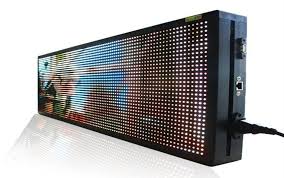
LED displays are incredibly versatile and have seen widespread adoption across various sectors:
- Outdoor Advertising and Digital Billboards: Employing high-brightness (>5000 nits) and weather-resistant displays, LED billboards provide vibrant, dynamic advertising content that outperforms traditional static billboards in visibility and viewer engagement.
- Transportation Hubs: Airports and railway stations utilize LED screens for scheduling, announcements, and real-time updates. The high refresh rates (>1920Hz) and wide viewing angles (up to 160° horizontal/vertical) ensure visibility under varied lighting conditions, including direct sunlight.
- Sports Arenas and Concert Venues: Large-format LED walls with pixel pitches ranging from 2mm to 10mm deliver immersive visuals to audiences, enhancing viewing experiences with vivid imaging and quick refresh cycles that reduce motion blur.
- Retail and Corporate Applications: Indoor LED displays are installed for digital signage, branding, event displays, and interactive kiosks, benefiting from slim form factors and energy-efficient operation.
Advantages of LED Display Technology
LED displays bring several technical and operational benefits compared to other display technologies:
- High Brightness and Contrast: Typical LED modules can achieve brightness levels from 1000 nits indoors to more than 10,000 nits outdoors, allowing clear visibility even in direct sunlight. The high contrast ratio (often exceeding 4000:1) enables vivid, crisp images.
- Energy Efficiency: Compared to traditional LCD or projection solutions, LED displays consume less power due to direct emission of light from individual diodes and advanced power management ICs. For example, LED panels can operate efficiently at 100-300 W/m² indoors.
- Long Lifespan and Reliability: With lifespans often exceeding 100,000 operating hours (approximately 11 years running 24/7), LEDs require less frequent replacement and maintenance. Robust build quality also ensures resistance to shock, vibration, and environmental factors.
- Modularity and Scalability: LED panels are designed as modular units, facilitating easy installation and maintenance. This modularity supports customization of screen size and aspect ratio to fit specific use scenarios.
Common Challenges in LED Display Deployments
Despite their advantages, LED displays are subject to several challenges:
- Pixel Pitch Limitations: Outdoor applications often use pixel pitches of 6mm or higher for cost-effectiveness and viewing distance optimization, but this can compromise resolution for closer viewing. High-resolution indoor displays use smaller pixel pitches (1.2-2.5mm), but at increased cost.
- Color Calibration and Uniformity: Achieving uniform brightness and color across large screens is complex due to variabilities in LED binning and temperature effects. Continuous color calibration via onboard sensors and software is necessary to maintain image fidelity.
- Environmental Factors: Outdoor LED displays must withstand extreme temperatures (-40°C to +60°C), humidity, and UV exposure. IP65 or higher ingress protection ratings are recommended to prevent dust and moisture damage.
- Cost Considerations: High-quality LED panels and associated processing systems entail significant upfront investment, necessitating well-planned ROI analysis particularly in commercial applications.
Emerging Trends in LED Display Technology
The LED display industry is rapidly evolving, influenced by technological advances and shifting user demands:
- MicroLED Technology: MicroLEDs feature microscopic light-emitting diodes offering significantly higher pixel density, improved energy efficiency, and superior color accuracy. This emerging technology is expected to redefine premium displays with pixel pitches under 1mm, enabling retina-level resolutions on large-scale screens.
- Flexible and Transparent LED Displays: Innovations in flexible substrates and transparent module design allow integration of LED displays into curved surfaces or glass windows, broadening application scenarios in architecture and automotive sectors.
- Artificial Intelligence Integration: Advanced image processing algorithms and AI-driven calibration enable real-time optimization of brightness and color based on ambient light and content type, improving viewing experience and reducing power consumption.
- HDR and Wide Color Gamut Support: Incorporation of High Dynamic Range (HDR) capabilities and support for NTSC 95% or wider color gamut enhances image contrast and color richness, critical for high-end broadcasting and immersive experiences.
- Internet of Things (IoT) and Remote Management: Integration with IoT platforms permits centralized, cloud-based control and monitoring of LED displays worldwide, streamlining content updates, diagnostics, and predictive maintenance.
Conclusion
LED display technology continues to be a cornerstone of modern visual communication, combining technical sophistication with practical flexibility. By understanding its diverse applications, inherent advantages, and current challenges, stakeholders can better harness LED displays for impactful and durable visual solutions. Monitoring and adopting emerging trends such as MicroLED, flexible displays, and AI integration will be essential for staying at the forefront of this dynamic industry.
For further authoritative technical standards and guidelines, refer to the International Electrotechnical Commission’s IEC 62368 for safety and ANSI C136.41 for LED lighting systems used in public spaces.













