

Advances in LED Display Manufacturing Technology and Industry Standards
The LED display industry has witnessed remarkable advancements over the past decade, driven by rapid technological innovation and increasing market demand for high-resolution, energy-efficient, and durable display solutions. As a professional LED display engineer, understanding the intricacies of LED display manufacturing is critical to producing units that meet rigorous quality, performance, and reliability standards. This article provides an authoritative overview of LED display manufacturing technologies, key technical parameters, industry standards, and practical insights for optimizing production processes.
Fundamentals of LED Display Technology
An LED (Light Emitting Diode) display consists of an array of LEDs used as pixels to form images or videos. Unlike traditional LCDs, LED displays utilize self-emissive diodes that deliver superior brightness, contrast, and color saturation. The two primary types of LED displays in the market are direct-view LED displays, commonly used in large video walls and outdoor installations, and LED-backlit LCDs, prevalent in consumer electronics such as televisions and monitors.
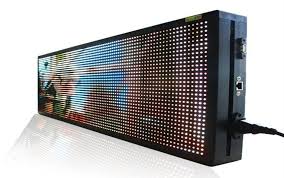
Key technical parameters define the quality and performance of LED displays:
- Pixel Pitch: Measured in millimeters, pixel pitch indicates the center-to-center distance between LED clusters. Smaller pixel pitches (e.g., 0.9mm, 1.2mm) enable higher resolution and finer image details, essential for indoor applications and close viewing distances.
- Brightness: Brightness levels are measured in nits (cd/m²). Outdoor LED displays often require brightness exceeding 5,000 nits to remain visible under direct sunlight, while indoor panels can operate efficiently at 800-1,200 nits.
- Refresh Rate: Higher refresh rates (≥ 3,840 Hz) reduce flickering and ensure stable, smooth motion rendering, critical for broadcast and live event applications.
- Color Depth and Calibration: 14-bit color depth or higher supports billions of colors and precise color reproduction. Uniform color calibration using automated systems ensures consistent visual quality across the display panel.
Manufacturing Process Overview
LED display manufacturing integrates advanced materials science, precision assembly, and quality control:
1. LED Chip Production and Selection: High-quality LED wafers undergo epitaxial growth to create semiconductor layers. Chips are then isolated, mounted, and tested for luminous intensity and wavelength consistency. Stringent binning ensures uniform performance.
2. PCB and Module Fabrication: Printed Circuit Boards (PCBs) are designed with fine circuitry to host LED clusters and driver components. Soldering of LEDs onto PCBs employs Surface-Mount Technology (SMT), demanding micron-level accuracy to maintain pixel uniformity.
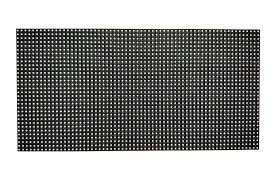
3. Module Assembly and Testing: Modules, typically sized 320mm x 160mm or similar, are assembled with integrated power and data connectors. Aging tests of 72+ hours validate operational stability and detect early failures.
4. Cabinet Integration and Calibration: Modules are mounted within lightweight aluminum cabinets, which protect against environmental factors. Post-assembly, precision calibration adjusts color, brightness, and grayscale performance to meet specification.
Industry Standards and Quality Assurance
Adhering to established international standards guarantees product reliability and interoperability:
- IEC 62087: Specifies methods for measuring power consumption in TV sets and monitors, guiding LED display power efficiency evaluation.
- UL Certification and RoHS Compliance: Ensure electrical safety and restriction of hazardous substances in panel components.
- IP Ratings (Ingress Protection): Outdoor LED displays typically require IP65/IP67 ratings to withstand dust and water exposure effectively.
Case Study: High-Resolution Indoor LED Display Project
A recent project involved deploying a 0.9mm pixel pitch LED wall measuring 12 meters wide by 3 meters high in a corporate auditorium. The design incorporated multi-layer calibration procedures post-installation, achieving color uniformity within Delta E< 2, consistent brightness of 1000 nits, and a refresh rate of 6,400 Hz to prevent flicker on camera. Thermal management employed passive aluminum heat sinks combined with forced ventilation, extending product lifespan by over 30%.
Emerging Trends and Future Directions
The industry is evolving with integration of mini-LED and micro-LED technologies, which promise even higher pixel densities and lower power consumption. Adaptive refresh rates and smart calibration algorithms driven by AI are enhancing visual quality dynamically. Furthermore, sustainable manufacturing practices, including the use of recyclable materials and energy-efficient assembly lines, are becoming standard to meet environmental regulations and customer expectations.
In conclusion, mastering LED display manufacturing involves a blend of precise engineering, compliance with international standards, and continuous innovation. The ability to optimize parameters such as pixel pitch, brightness, and refresh rate, coupled with robust production and quality assurance processes, ensures LED displays meet the demanding requirements of diverse applications worldwide.













