

LED LCD Screen Manufacturing: Technology, Applications, and Industry Insights
In the rapidly evolving display industry, LED LCD screens have taken a pivotal role in delivering high-quality visual experiences across diverse applications. As a professional LED display engineer with extensive experience in LED LCD screen manufacturing, this article delves into the technological underpinnings, practical applications, advantages, typical challenges, and latest industry trends associated with LED LCD technology.
Understanding LED LCD Screen Technology
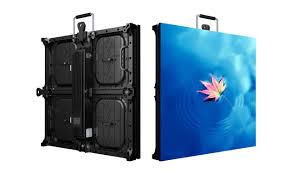
LED LCD (Light Emitting Diode Liquid Crystal Display) technology combines the traditional liquid crystal display with LED backlighting to significantly enhance picture quality, brightness, contrast ratio, and energy efficiency. Unlike conventional CCFL (Cold Cathode Fluorescent Lamp) backlights, LED backlights offer localized dimming capabilities, improved color gamut, and thinner panel profiles.
A standard LED LCD panel comprises several layers:
- Liquid Crystal Layer: Controls pixel light modulation through electrically controlled orientation of liquid crystals.
- Polarizing Filters: Ensure correct light polarization for display formation.
- Color Filters: Enable red, green, and blue pixel output.
- LED Backlighting: Positioned behind or on the edge of the panel, providing uniform or dynamic light sources.
Key technical parameters include panel resolution (from Full HD 1920x1080 to 8K 7680x4320), refresh rates (commonly 60Hz up to 240Hz for gaming-focused screens), and luminance levels (typically between 300-1000 nits depending on use case). The integration of advanced LED backlighting allows for HDR (High Dynamic Range) capabilities, offering richer image depth crucial for multimedia content and professional display environments.
Practical Applications of LED LCD Screens
LED LCD screens are ubiquitous, owing to their versatile characteristics:
- Consumer Electronics: Smartphones, tablets, laptops, and TVs primarily use LED LCD technology for superior image sharpness and energy efficiency.
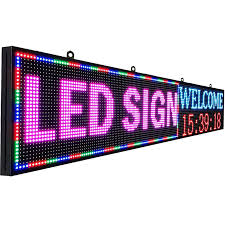
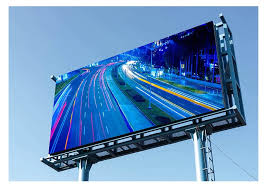
- Digital Signage and Advertising: LED LCD displays are favored for outdoor and indoor digital billboards, providing bright and clear images even under direct sunlight.
- Medical Imaging: High-resolution LED LCD panels ensure precise visual diagnostics by accurately rendering medical images like X-rays or MRIs.
- Industrial and Automotive Displays: Instrument panels, infotainment systems, and control monitors leverage LED LCDs for durability and visibility in varying conditions.
- Broadcast and Professional Monitors: LED LCDs deliver color accuracy and stability demanded by video editors and graphic designers.
Advantages of LED LCD Screens
Several advantages provide LED LCDs an edge over alternative display technologies including OLED or traditional LCDs with CCFL:
- Enhanced Brightness and Contrast: LED backlighting supports high luminance levels (up to 1000 nits or more in premium models), critical for HDR content and outdoor visibility.
- Energy Efficiency: LEDs consume less power compared to CCFL, contributing to reduced operational costs and smaller environmental footprints.
- Long Lifespan and Reliability: LED backlights typically exceed 50,000 hours of performance, ensuring sustained panel longevity.
- Slimmer Form Factors: LED edge lighting allows ultra-thin displays suitable for sleek device designs.
- Color Reproduction: Wide color gamut coverage (up to 95% DCI-P3 or Rec. 2020 in high-end models) supports vibrant, true-to-life imagery.
Common Problems and Solutions
Despite their benefits, LED LCD screens face multiple challenges in manufacturing and operational stages:
- Backlight Bleeding and Unevenness: Non-uniform LED distribution or diffuser issues can cause patches of uneven brightness, reduced by optimizing backlight assembly design and employing local dimming zones.
- Color Uniformity Issues: Aging LEDs or inconsistent color filter layers can create color shifts. Manufacturers use color calibration and advanced materials to minimize this.
- Viewing Angle Limitations: Although IPS panels have improved viewing angles, LED LCD screens may still suffer color and contrast degradation off-axis. Innovations in panel alignment and screen coatings help mitigate this.
- Heat Dissipation: High-brightness LED arrays generate significant heat, which if not managed properly, can reduce lifespan. Many designs incorporate heat sinks, thermally conductive substrates, and active cooling.
- Pixel Defects: Dead or stuck pixels can occur due to manufacturing imperfections, addressed by stringent quality control processes following standards like ISO 13406-2.
Latest Trends in LED LCD Display Technology
The ever-changing landscape of LED LCD manufacturing showcases several emerging trends:
- Mini-LED and Micro-LED Backlighting: Mini-LED technology uses thousands of tiny LEDs enabling superior local dimming with thousands of dimming zones, dramatically improving contrast and black levels approaching OLED standards. Micro-LEDs push this further towards self-emissive displays with higher brightness and durability.
- Higher Refresh Rates and Adaptive Sync: Displays supporting up to 240Hz refresh rates and technologies like NVIDIA G-Sync or AMD FreeSync cater to gaming and virtual reality applications requiring smooth motion rendering.
- Flexible and Transparent LED LCDs: Advances in flexible substrates and transparent conductive layers enable novel form factors such as curved or see-through displays, promising new use cases in automotive heads-up displays and retail.
- Integration of AI for Display Calibration: Artificial intelligence algorithms automate color calibration, uniformity adjustments, and predictive maintenance to improve display quality over product lifetimes.
- Sustainability Initiatives: The industry is focusing on reducing hazardous materials, enhancing recyclability, and optimizing power usage aligned with regulations such as RoHS (Restriction of Hazardous Substances) and WEEE (Waste Electrical and Electronic Equipment).
Conclusion
LED LCD screen manufacturing comprises a complex synergy of materials science, electronics engineering, and quality control, delivering displays that balance performance, cost, and energy efficiency. Its wide application footprint, technological maturity, and ongoing innovation make LED LCD screens a cornerstone of modern visual display solutions worldwide. By understanding their technical parameters, practical applications, and challenges, engineers and designers can better harness these displays to meet evolving user demands.
For professionals involved in display manufacturing or system integration, staying updated on the latest LED LCD trends such as mini-LED technology and AI integration is essential for maintaining competitive advantage and delivering superior visual experiences.
References:
- Society for Information Display (SID), "Display Technology Guide," 2023.
- International Electrotechnical Commission (IEC) Standard 60598-1 for LED display safety.
- "LED Backlighting in LCD Displays," Journal of Display Technology, IEEE, 2022.
- RoHS Directive 2011/65/EU.
- Case Study: TCL’s Mini-LED TV Production Analysis, Display Supply Chain Consultants, 2023.













