

Advanced LED Display Manufacturing: Key Technologies, Standards, and Industry Insights
The LED display industry has witnessed significant advancements over the past decade, driven by innovation in materials, manufacturing processes, and control technologies. As a professional engineer with extensive experience in LED display design and production, I will delve into the critical aspects that define modern LED display manufacturing, including technical parameters, international standards, and practical considerations for ensuring high-quality, durable, and efficient LED screens.
Fundamental Components and Structure
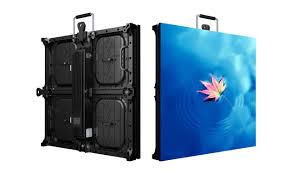
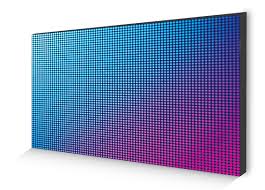
LED displays typically consist of multiple modules, each made up of LED pixels arranged in a precise grid. Each pixel includes three primary light-emitting diodes (red, green, and blue), which combine through additive color mixing to produce a full range of colors. The pixel pitch, defined as the distance from the center of one pixel to the next, is a pivotal factor that affects resolution and viewing distance. For example, a popular indoor LED display might feature a pixel pitch of 1.5 mm, suitable for close-range viewing with high visual fidelity, while outdoor screens often adopt larger pitches (such as 10 mm or more) to optimize for long-distance visibility.
Advanced Technologies in LED Displays
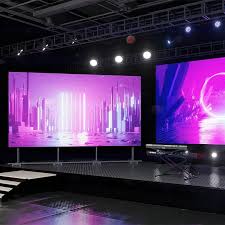
Recent innovations such as mini-LED and micro-LED technologies have pushed the envelope on brightness, contrast, and energy efficiency. Micro-LED displays integrate incredibly small diodes—often under 100 microns each—allowing for unprecedented resolution and uniformity without the burn-in issues common in OLEDs. Furthermore, the integration of intelligent driver ICs (Integrated Circuits) and sophisticated control algorithms, including dynamic refresh rates and automatic brightness adjustment based on ambient lighting conditions, contribute to enhanced visual performance and power savings.
Manufacturing Precision and Quality Control
Achieving uniform brightness and color accuracy across the entire display demands strict manufacturing tolerances and thorough quality control. Industry standards such as the IEC 62717 and IEC 62716 outline specifications for LED modules regarding weather resistance and color stability. For instance, IP65-rated LED panels guarantee dust-tight and water-resistant protection, essential for outdoor applications exposed to rain or dust storms.
Thermal Management Challenges
Effective thermal management is critical in LED display assembly due to the heat generated by densely packed LEDs and driver electronics. Without adequate heat dissipation, thermal stress can cause premature color shifting, brightness reduction, and component failure. Employing aluminum substrates, heat sinks, and sometimes active cooling mechanisms helps maintain optimal operating temperatures. A well-ventilated cabinet design and precise thermal simulation during the design phase ensure long-term reliability.
Standardization and Compliance
Global deployment of LED displays requires adherence to various international standards and certifications, such as CE marking in Europe, FCC compliance in the United States, and RoHS (Restriction of Hazardous Substances) directives that safeguard environmental and consumer health. Additionally, compliance with colorimetry standards, as defined by the CIE (International Commission on Illumination), guarantees consistent color reproduction across different display units and models.
Case Study: Stadium LED Display Deployment
A notable case involved a major stadium upgrading to a 4K resolution LED scoreboard with a pixel pitch of 4 mm covering over 1,200 square meters. The project required modules with exceptional luminance brightness (>8000 nits), an IP67 rating to withstand heavy rain, and a viewing angle exceeding 140 degrees to ensure visibility from all stadium seats. The manufacturing process emphasized meticulous binning of LEDs to ensure uniform color temperature (approximately 6500K daylight balanced) and contrast ratios exceeding 3000:1 for vivid image quality. Extensive factory and onsite testing ensured flawless performance under high humidity and extreme temperatures.
Future Trends and Innovations
Looking ahead, the industry is moving towards fully transparent LED displays and flexible, curved screens that open new design possibilities. Artificial intelligence-driven calibration systems are becoming integral for real-time adjustment of display parameters to match content and environmental conditions precisely. In parallel, sustainability efforts focus on improving LED energy efficiency and recyclability, reducing the ecological footprint of LED manufacturing and deployment.
Conclusion
LED display manufacturing is a complex and evolving field requiring multidisciplinary expertise encompassing electronics, materials science, thermal management, and compliance with international standards. Professionals must stay updated with emerging technologies such as micro-LED, intelligent driver ICs, and advanced control systems to deliver displays that meet the highest expectations in brightness, reliability, and longevity. Adhering to rigorous production standards and environmental regulations ensures that LED displays perform optimally across diverse applications, from indoor retail screens to massive outdoor advertising billboards and spectacular sports arenas.
By combining technical rigor, practical manufacturing experience, and a commitment to innovation, the LED display industry continues to enhance visual communication worldwide.













