

Advances and Best Practices in LED Display Manufacturing: Ensuring High Quality and Performance
The LED display industry has experienced remarkable growth over the past decade, driven by innovations in manufacturing processes, advancements in LED technology, and growing demand for high-resolution, reliable displays across various sectors such as advertising, entertainment, transportation, and control rooms. As a professional LED display engineer with extensive experience in LED LCD screen manufacturing, I will delve into the critical elements that ensure the quality, performance, and longevity of LED displays, supported by technical details, industry standards, and practical insights.
Key Manufacturing Parameters and Technologies
One of the fundamental aspects in LED display manufacturing is the selection and handling of LED chips. High-quality LED chips typically use gallium nitride (GaN)-based semiconductors, known for their high luminous efficacy and thermal stability. The typical pixel pitch for outdoor LED displays ranges from 2.5 mm to 20 mm, while indoor applications demand finer pitches from 0.9 mm to 2.5 mm to achieve higher resolution and clarity. The resolution and pixel density directly influence the optimal viewing distance and image sharpness, with closer viewing distances requiring smaller pixel pitches as specified in the Digital Signage Federation guidelines.
The manufacturing process must adhere to strict standards such as IPC-A-610 for electronic assemblies and ISO 9001 quality management systems, ensuring consistent product quality. Key areas of focus include:
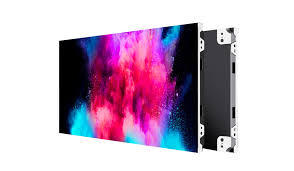
- Soldering quality: Using lead-free solder with a melting point appropriate for GaN chips, ensuring strong connections without thermal degradation.
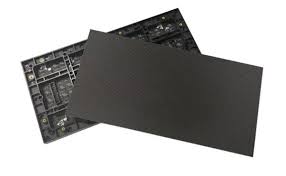
- Precision pick-and-place machines: For exact LED placement with tolerances within microns, critical in fine-pitch LED modules to avoid crosstalk and pixel defects.
- Encapsulation and protective coatings: Using silicone resins or conformal coatings that provide moisture resistance and UV protection to extend lifespan and maintain color fidelity.
Thermal Management
Efficient thermal management is essential because LEDs generate heat that, if unmanaged, reduces lifespan and brightness. Manufacturers employ aluminum-based PCBs with high thermal conductivity (~2 W/m·K), combined with heat sinks, ventilation designs, and in some cases, active cooling systems for large-scale displays. The junction temperature (Tj) is recommended to stay below 85°C as per the JEDEC thermal guidelines, which significantly reduces failure rates.
Calibration and Quality Control
LED displays undergo rigorous calibration to balance brightness, uniformity, and color temperature. Integrated photometric calibration systems adjust each LED to consistent luminance levels, typically targeting 800-1200 nits for outdoor displays and 400-600 nits for indoor units. Color calibration uses the CIE 1931 color space to ensure precise RGB balance. Reliability testing under IEC 60068 standards simulates environmental extremes—temperature cycling, humidity, vibration—to guarantee robustness.
Customization and Integration
Highly modular designs enable scalable deployments, and manufacturers increasingly provide flexible panels with curved forms or transparent displays. Integration with advanced controllers allows features such as HDR support, HDR10 compatibility, and networked content management, supported by protocols including HDBaseT and DVI.
Case Studies and Industry Applications
For instance, the deployment of fine-pitch LED displays in control rooms for utilities and transportation hubs demonstrates the importance of pixel pitch and refresh rate (often >3840 Hz to prevent flicker on camera feeds). In advertising, outdoor LED billboards benefit from IP65 or higher ratings for environmental protection, with brightness levels exceeding 5000 nits to maintain visibility in direct sunlight.
Future Trends and Innovation
Emerging technologies include MicroLED displays, promising even higher resolution and energy efficiency by integrating microscopic LEDs as individual pixels. Advances in flexible substrates and miniaturization continue expanding application possibilities across wearable devices, automotive HUDs, and large-format video walls.
Conclusion
Producing reliable, high-performance LED displays necessitates mastery over LED chip technology, meticulous assembly practices, effective thermal management, and comprehensive calibration. Adherence to industry standards like IPC, JEDEC, and IEC ensures product longevity and customer satisfaction. Leveraging these best practices positions manufacturers to meet the growing global demand for innovative and durable LED display solutions.













