

High-Brightness 2000 Nits Monitors: Enhancing Visual Performance for Professional and Industrial Applications
In the evolving landscape of display technology, 2000 nits monitors have become a cutting-edge solution for environments that demand exceptional brightness and clarity. These high-brightness LCD screens provide significant advantages, especially in outdoor, industrial, and professional settings where ambient light can severely hinder visibility. Understanding the technical aspects and practical applications of 2000 nits (cd/m²) monitors is crucial for selecting the right display technology for your specific needs.
Understanding Nits and Brightness Levels
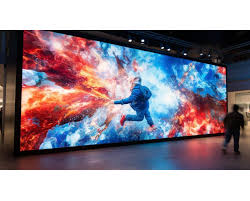
Nits, or candela per square meter (cd/m²), represent the luminance of a display. A brightness level of 2000 nits is substantially higher than standard monitors that typically range between 250 and 400 nits. This elevated brightness allows 2000 nits monitors to maintain image clarity and vibrant colors under direct sunlight or extremely bright ambient lighting conditions.
Technical Parameters of 2000 Nits Monitors
- Luminance: 2000 nits ±10%, ensuring consistent brightness output.
- Contrast Ratio: Typically 1200:1 or higher, facilitating sharp color differentiation even under intense light conditions.
- Color Gamut: High-performance models support up to 100% sRGB or AdobeRGB color space, essential for color-critical applications.
- Viewing Angles: Wide viewing angles (≥178° horizontal and vertical) ensure excellent visibility regardless of position.
- Response Time: Fast response times below 8 ms reduce motion blur, beneficial in dynamic environments.
- Power Consumption: Optimized LED backlight technology balances high brightness with energy efficiency, typically ranging between 20-40W for 24-inch models.
- Durability: Rugged designs with IP65-rated front panels provide resistance against dust and water, crucial for outdoor use.
Applications Across Industries
High-brightness 2000 nits monitors are widely applied in sectors where traditional displays fall short:
1. Outdoor Digital Signage: Retail and transportation hubs utilize these monitors to deliver clear messages even in direct sunlight, based on standards like IEC 62087 for energy consumption and luminance.
2. Broadcast and Video Production: Ensuring accurate color grading and image fidelity under diverse lighting conditions.
3. Industrial Control Rooms: Operators require bright, reliable screens to monitor critical processes in variable lighting environments.
4. Medical Imaging: High brightness helps render precise visuals under challenging ambient light conditions, improving diagnostic accuracy.
5. Military and Aerospace: Rugged, daylight-readable displays support operational effectiveness during outdoor missions or in vehicles.
Advantages of 2000 Nits Monitors Over Conventional Displays
- Superior Visibility: The high luminance ensures content remains legible even under direct sunlight, a limitation for standard 250-400 nits screens.
- Enhanced Color Accuracy: Advanced backlight and calibration techniques maintain consistent color performance despite high brightness levels.
- Better Reliability: Designed to operate at higher brightness for long durations without color degradation or burn-in, supported by manufacturer guidelines such as those set out in JEITA CP-3901 for display lifetime.
- Versatility: Suitable for both professional indoor use with strong ambient light and rugged outdoor environments.
Challenges and Considerations
While 2000 nits monitors offer multiple benefits, several challenges warrant attention:
- Power Consumption: Higher brightness entails increased energy use; therefore, efficient LED backlighting and adaptive dimming are critical.
- Thermal Management: Enhanced brightness increases heat generation; effective cooling solutions are essential to prolong lifespan and maintain performance.
- Cost: Such monitors are generally more expensive due to high-grade components and specialized manufacturing processes.
Technical Standards and Industry Benchmarks
Manufacturers and engineers design 2000 nits monitors to comply with industry standards such as the VESA DisplayHDR 1000 specification, which ensures a minimum of 1000 nits peak luminance but frequently extends to 2000 nits for premium models. Additionally, compliance with RoHS and REACH regulations assures environmental safety, while standards like MIL-STD-810G confirm durability in harsh conditions.
Future Trends
Emerging technologies like micro-LED and OLED are beginning to integrate high-brightness performance with improved energy efficiency. However, currently available 2000 nits LCD monitors remain the most practical and cost-effective solution for many industries requiring daylight-readable displays.
Conclusion
Investing in a 2000 nits monitor is a strategic decision for businesses and professionals needing optimal performance in challenging lighting environments. Whether for outdoor signage, control rooms, or medical imaging, these high-brightness displays deliver superior visibility, color accuracy, and reliability. Incorporating robust technical standards and emerging innovations, 2000 nits monitors exemplify the forefront of display technology, empowering users to achieve clarity and precision under all lighting conditions.
References:
- International Electrotechnical Commission (IEC) 62087: Methods of Measurement for the Power Consumption of Audio, Video, and Related Equipment
- Video Electronics Standards Association (VESA), DisplayHDR Specifications
- JEITA CP-3901 Display Lifetime and Reliability Guidelines
- MIL-STD-810G Environmental Engineering Considerations and Laboratory Tests













