

Advanced Manufacturing Techniques and Quality Standards in LED Display Production
The global LED display industry has experienced significant technological advancements over the past decade, driven by increasing demand for high-resolution, energy-efficient, and durable display solutions across various sectors such as advertising, entertainment, transportation, and public information systems. As a professional LED display engineer with extensive industry expertise, this article delves into the core aspects of LED display manufacturing, highlighting key technical parameters, quality control standards, and best practices that ensure superior product performance, longevity, and user satisfaction.
Introduction
LED (Light Emitting Diode) displays have transformed visual communication technology by offering vibrant colors, high brightness, and excellent contrast ratios, even in challenging ambient lighting conditions. However, achieving these performance benchmarks requires stringent manufacturing processes, thorough testing protocols, and adherence to international standards such as IEC 62717 and UL 8750. This overview addresses the critical stages of production including LED selection, module assembly, calibration, and reliability testing, providing insights grounded in industry experience and authoritative technical data.
Main Body
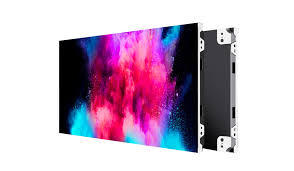
1. LED Chip Selection and Packaging
The quality and characteristics of the LED chip directly impact display performance. High-end manufacturing utilizes chips with a narrow wavelength tolerance (e.g., ±2 nm for color consistency), and high luminous efficiency surpassing 150 lm/W for green LEDs and 120 lm/W for red and blue LEDs. Advanced packaging techniques, such as flip-chip and COB (Chip-On-Board), reduce optical losses and improve thermal management. Proper encapsulation using materials with high transmittance (≥90%) and UV resistance ensures long-term durability.
2. Module Fabrication and Pixel Pitch Considerations
LED modules are composed of multiple pixels, each containing sub-pixels for red, green, and blue light. Manufacturing modules with precise pixel pitch (the distance between two adjacent pixels) is essential for resolution and viewing distance. Typical parameters include pixel pitches ranging from 0.9 mm for indoor ultra-fine pitch displays to 10 mm or more for outdoor large-format screens. Tighter pixel pitches require advanced pick-and-place machines and high precision PCB substrates with controlled impedance to minimize signal distortion.
3. Control System and Calibration
To achieve uniform brightness and color accuracy, individual LED calibration is vital. Calibration employs photometric equipment to measure luminance and chromaticity coordinates according to CIE 1931 standards. These measurements facilitate the generation of correction tables that compensate for variances in LED aging and manufacturing tolerances. Integration with advanced control systems (e.g., NovaStar, Brompton) ensures real-time synchronization and HDR (High Dynamic Range) support.
4. Thermal Management and Mechanical Design
LED displays generate heat, which can degrade performance and lifespan. Effective thermal management involves aluminum heat sinks, ventilation designs, and sometimes active cooling mechanisms. Mechanical enclosures comply with IP ratings (Ingress Protection), commonly IP65 or higher for outdoor usage, protecting against dust and moisture. Structural integrity is ensured through rigorous mechanical stress testing (vibration, shock), conforming to IEC 60068 standards.
5. Testing and Quality Assurance
Before market release, comprehensive tests such as Burn-in (continuous operation for 72 hours at rated power), color uniformity, brightness decay, and environmental stress screening (ESS) are performed. Compliance with international certifications including CE, FCC, RoHS, and ISO 9001 quality management systems is mandatory. Such processes guarantee that the LED displays deliver reliable operation over a typical lifespan exceeding 100,000 hours.
Conclusion
Manufacturing LED displays that meet the demanding requirements of modern applications requires a synergistic approach combining cutting-edge materials, precision engineering, robust testing, and adherence to global standards. By focusing on each production phase—from chip selection and module assembly to calibration, thermal management, and rigorous quality assurance—manufacturers can ensure high-performance, durable, and visually captivating LED display solutions. Continuous advancements in technology and process optimization will further drive the LED display industry, enabling new possibilities in visual communication worldwide.













