

Advanced Techniques and Standards in LED LCD Screen Manufacturing for Enhanced Display Quality
In the rapidly evolving field of display technology, LED LCD screens have become pivotal in delivering high-quality visual experiences across various applications including consumer electronics, digital signage, and professional displays. As an experienced LED display engineer, I will elucidate the fundamental manufacturing techniques, critical technical parameters, and industry standards that ensure superior LED LCD performance, along with practical considerations and innovations shaping the future of this technology.
LED LCD (Light Emitting Diode Liquid Crystal Display) technology integrates LED backlighting with advanced liquid crystal displays to enhance brightness, contrast, and energy efficiency. The manufacturing process of these displays involves several precise stages: panel fabrication, backlight unit assembly, driver integration, and final calibration.
Manufacturing Techniques and Key Parameters
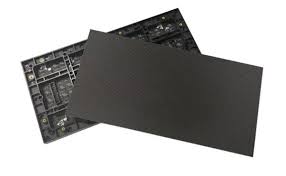
1. Panel Fabrication: The LCD panel comprises multiple layers including the TFT (thin-film transistor) array, color filter, liquid crystal layer, and polarizers. The TFT substrate, usually made on glass or flexible substrates, features millions of transistors controlling individual pixels. Manufacturing precision is crucial; processes like photolithography and chemical vapor deposition are controlled to nanometer scales to ensure pixel-level accuracy.
2. LED Backlight Assembly: Unlike traditional CCFL backlights, LED backlights offer adjustable intensity and better color rendering. Manufacturers use arrays of white or RGB LEDs arranged in either edge-lit or direct-lit configurations. Parameters such as LED brightness (typically measured in nits, ranging from 300 to 1500 nits depending on application), color temperature (around 6500K for standard sRGB compatibility), and uniformity (less than 10% variance across the panel) are rigorously controlled to meet display standards.
3. Driver Electronics Integration: The display driver ICs translate digital signals into precise voltage control of the liquid crystals. High refresh rates (typically 60Hz to 240Hz) and response times (below 5ms for mainstream displays) reduce image lag and ghosting. Advanced driver ICs support HDR (High Dynamic Range) by enabling greater bit-depth (10-bit or more) for color representation.
4. Calibration and Quality Control: Factory calibration ensures color accuracy (Delta E< 2), gamma curve compliance, and brightness uniformity. Testing follows international standards such as ISO 9241-307 for visual ergonomics and IEC 62471 for photobiological safety concerning blue light emissions.
Industry Standards and Compliance
Compliance with standards is paramount to manufacturing LED LCDs that are safe, reliable, and perform consistently across markets:
- TIA/EIA-497-B: Defines contrast ratio and luminance requirements for display units.
- IEC 62368-1: Safety standard specific to audio/video and information technology equipment, addressing aspects like electrical shock and fire hazards.
- Rec. 709 and DCI-P3 color spaces: Ensure accurate color representation for broadcast and cinema displays respectively.
- RoHS and WEEE Directives: Environmental regulations restricting hazardous substances and requiring recycling feasibility in electronics manufacturing.
Case Studies and Practical Insights
In large-scale manufacturing, controlling LED binning variance—a process sorting LEDs by brightness and color—is crucial to maintain visual uniformity. For example, a leading manufacturer reduced luminance variance from 15% to under 5% by implementing automated binning coupled with precise thermal management during assembly. Thermal management is another critical design aspect; maintaining panel temperatures below 50°C optimizes longevity and prevents color shift. Techniques such as heat sinks, thermal interface materials, and active cooling are integrated based on display size and usage environment.
Additionally, integration of quantum dot technology in LED backlighting has revolutionized color gamut and efficiency. Quantum dots enable wider color gamut coverage beyond 90% of DCI-P3 while reducing power consumption by around 20%, benefiting OLED alternatives and premium TV panels.
Future Trends and Innovations
The future of LED LCD manufacturing lies in mini-LED and micro-LED technologies. Mini-LED backlights utilize thousands of tiny LEDs to create thousands of individually controlled local dimming zones, dramatically improving contrast ratios (potentially exceeding 1,000,000:1) and HDR performance. Micro-LED is poised to disrupt with self-emissive capability, combining the brightness and durability of LEDs with pixel-level light control, though current manufacturing challenges include mass transfer precision and yield rates.
In conclusion, manufacturing advanced LED LCD screens involves meticulous control over materials, processes, and standards. Combining robust engineering practices with innovative technologies such as quantum dots and mini-LED backlights enhances display quality and energy efficiency, meeting the growing demands of consumers and industries globally.













