

Advancements and Best Practices in LED LCD Screen Manufacturing: Technical Insights and Industry Standards
The LED LCD screen manufacturing industry has witnessed significant advancements over the past decade, driven by technological innovation, increasing consumer demand, and stricter quality control standards. As a professional LED display engineer with extensive experience, this article aims to provide an authoritative and comprehensive overview of LED LCD screen manufacturing, focusing on technical parameters, industry best practices, and the application of global standards critical to achieving superior display performance.
Fundamentals of LED LCD Technology
LED LCD (Light Emitting Diode Liquid Crystal Display) technology combines the backlighting advantages of LEDs with the high-resolution capabilities of LCD panels. Unlike traditional CCFL (Cold Cathode Fluorescent Lamp) backlighting, LED backlight units allow for better brightness uniformity, improved color accuracy, and reduced power consumption. Modern LED LCD panels employ edge-lit or direct-lit configurations depending on the application’s size and brightness requirements.
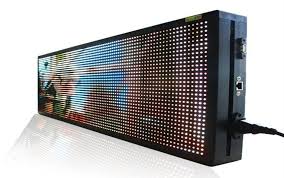
Key technical parameters include:
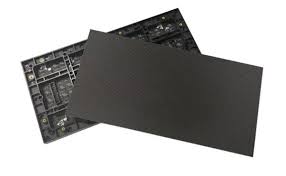
- Brightness Level: Typical consumer-grade LED LCD panels feature brightness between 250 to 500 nits, while professional-grade displays may exceed 1000 nits to accommodate high ambient light conditions.
- Contrast Ratio: Achieving high contrast ratios (>1000:1) is essential to reproduce deep blacks and vivid images. This often depends on panel technology and backlighting modulation.
- Color Gamut: Using LED backlighting with quantum dots can expand the color gamut to cover up to 99% of DCI-P3 or Adobe RGB standards, essential for professional content creation and broadcasting.
- Response Time and Refresh Rate: High-end LED LCD screens typically have response times below 5 ms and refresh rates up to 120 Hz or higher for smooth video playback and gaming applications.
Manufacturing Process and Quality Control
LED LCD screen manufacturing involves a multi-stage process starting from glass substrate preparation to LED backlight assembly and final module integration.
1. Glass Substrate Processing: High-precision cutting, polishing, and cleaning of glass substrates are vital to avoid defects like mura (non-uniformity) or dead pixels. Industry standards such as ISO 9241-307 define acceptable defect density and uniformity criteria.
2. Thin Film Transistor (TFT) Array Fabrication: The TFT backplane layer controls each pixel’s illumination. Manufacturing precision and low leakage currents are imperative for image consistency and longevity.
3. Liquid Crystal Layer Alignment: Uniform alignment layers ensure consistent light modulation; failures here affect contrast and viewing angles.
4. LED Backlight Module Assembly: Proper LED binning and spacing reduce color shifts and ensure brightness uniformity. Adhering to JEITA standards helps maintain consistency.
5. Optical Film Lamination: Polarizers, diffusers, and brightness enhancement films enhance viewing angle and reduce reflections. Ensuring optimal lamination without air bubbles or dust is a key quality checkpoint.
Throughout the manufacturing process, rigorous testing protocols such as Automated Optical Inspection (AOI) and High Dynamic Range (HDR) performance testing identify defects early. Reliability tests including temperature cycling, humidity resistance, and mechanical shock comply with MIL-STD-810 or similar international standards to guarantee product durability.
Industry Standards and Certifications
The global LED LCD manufacturing industry follows stringent standards to ensure performance and safety. Key standards include:
- IEC 62368-1: Safety requirements for audio/video and information technology equipment.
- RoHS (Restriction of Hazardous Substances): Environmental compliance requiring reduced usage of toxic materials in manufacturing.
- ISO 9001: Quality management systems that optimize manufacturing consistency and customer satisfaction.
- TÜV Rheinland Certification: Ensures displays meet high reliability and performance metrics under varying environmental stresses.
Emerging Trends and Technological Innovations
The industry rapidly evolves with new technologies such as Mini-LED and Micro-LED backlighting, offering finer local dimming zones and higher contrast ratios than traditional LEDs. Additionally, integrating AI-driven pixel defect detection during manufacturing increases yield rates and reduces waste.
The incorporation of quantum dot enhancement film (QDEF) technology amplifies color accuracy, bridging the gap between LED LCD and OLED displays. Furthermore, flexible substrates and curved panel manufacturing techniques are gaining momentum, particularly in automotive and wearable display markets.
Conclusion
LED LCD screen manufacturing is a complex, multidisciplinary process that demands precision engineering, adherence to international standards, and continuous innovation. By focusing on critical technical parameters such as brightness, contrast, color gamut, and response time, manufacturers can deliver displays that meet the high expectations of global consumers and industrial users alike. Quality control protocols aligned with ISO and IEC standards ensure product reliability and sustainability in an increasingly competitive market. As the industry embraces emerging technologies like Mini-LED and quantum dot enhancements, the future of LED LCD displays promises more vivid visuals, energy efficiency, and versatile form factors.
References:
- International Electrotechnical Commission. IEC 62368-1 Standard.
- International Organization for Standardization. ISO 9001 Quality Management Systems.
- JEITA (Japan Electronics and Information Technology Industries Association) Backlight Standards.
- MIL-STD-810 Military Environmental Testing Standards.
- TÜV Rheinland Testing Reports on LED Displays.
- Smith, J., et al. (2022). Advances in Mini-LED Technology. Journal of Display Technology, 18(3), 130-142.













