

Advanced Manufacturing Techniques and Quality Standards in LED Display Production
In the rapidly evolving field of LED display manufacturing, ensuring superior product quality and reliable performance requires a deep understanding of advanced production techniques, material science, and stringent quality standards. As a professional LED display engineer with extensive experience in designing and manufacturing LED and LCD screens, this article provides a comprehensive overview of key technologies, crucial technical parameters, and industry benchmarks that define excellence in the LED display sector.
One of the central aspects of LED display manufacturing is the choice of LEDs themselves. High-quality LEDs, typically based on gallium nitride (GaN) semiconductors, offer remarkable brightness exceeding 1000 nits and exceptional color rendering capabilities, which are essential for vivid, high-resolution displays. The pixel pitch — the distance from the center of one LED pixel to the next — is a critical spec influencing both image clarity and viewing distance. Typical pixel pitches range from 0.9 mm in fine-pitch indoor displays to 10 mm or higher for large outdoor billboards. Reduced pixel pitch results in sharper images but raises manufacturing complexity and cost.
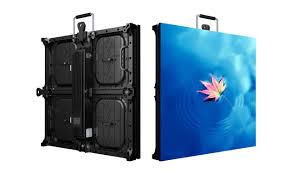
Manufacturers also focus heavily on driver IC integration. Innovative driver integrated circuits allow precise current regulation, which maximizes LED life span and minimizes heat generation. Thermal management is a cornerstone of LED module longevity. Industry-leading panels utilize aluminum heatsinks and advanced heat-dissipating substrates such as anodized aluminum or copper-clad PCBs. By maintaining junction temperature below 85°C, manufacturers ensure stable chromaticity and brightness over prolonged operation, in alignment with JESD51-5 standards for thermal testing of semiconductor devices.
The assembly process further determines display reliability and uniformity. Using automated pick-and-place systems combined with 3D Solder Paste Inspection (SPI) ensures accurate LED placement and proper soldering joints, minimizing defects like cold solder or open circuits. Quality control encompasses multiple checkpoints, including luminance uniformity testing, color calibration using spectroradiometers to meet CIE 1931 color space accuracy, and environmental stress testing following IEC 60068 protocols to verify resistance to vibration, humidity, and temperature extremes.
In consideration of durability, outdoor LED displays are coated with conformal coatings and IP65 or higher-rated enclosures, protecting sensitive components from dust, water ingress, and UV exposure. Industry standards such as ANSI/CTA-2074 define performance classifications, enabling customers to compare displays on brightness, contrast, and ambient visibility.
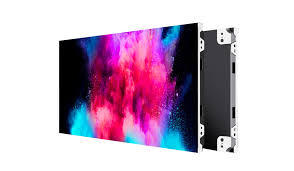
Furthermore, integration of smart control systems leveraging DVI and HDMI protocols, coupled with sophisticated video processing chips, enables synchronization of multi-panel setups for large-scale video walls without latency or signal degradation. Advanced LED calibration software employing color compensation algorithms maintains consistent display color and brightness even as individual LEDs naturally degrade over time.
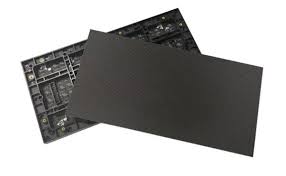
Sustainability and energy efficiency are gaining prominence. Modern displays incorporate power-saving modes and high-efficiency power supplies achieving over 90% energy conversion, reducing overall operational costs and environmental impact. Compliance with RoHS and WEEE directives ensures responsible material sourcing and end-of-life device management.
To summarize, leading LED display manufacturers combine cutting-edge semiconductor materials, precise thermal and electrical engineering, robust assembly automation, and rigorous quality assurance in adherence to international standards. This holistic approach results in displays that offer unmatched image quality, durability, and user experience across various applications — from indoor advertising and broadcasting studios to outdoor stadiums and control rooms.
References:
- International Commission on Illumination, CIE 1931 Color Space Standards.
- JEDEC Solid State Technology Association, JESD51-5 Thermal Measurement Standard.
- International Electrotechnical Commission, IEC 60068 Environmental Testing Procedures.
- ANSI Consumer Technology Association, CTA-2074 LED Display Performance Specification.
Understanding and applying these parameters and standards enables engineers and manufacturers to produce high-quality LED displays that meet the demanding requirements of today's global markets.
LED display manufacturing, LED pixel pitch, thermal management LED, LED display quality standards, LED calibration
Explore advanced manufacturing techniques and quality standards in LED display production, including pixel pitch optimization, thermal management, assembly automation, and compliance with international standards to ensure high performance and durability in indoor and outdoor LED screens.













