

Advances and Best Practices in LED LCD Screen Manufacturing for Optimal Display Performance
The evolution of LED LCD screen manufacturing has profoundly transformed visual display technologies, powering applications ranging from consumer electronics to professional video walls and industrial monitors. Leveraging cutting-edge materials, precision engineering, and stringent quality controls, modern LED LCD screens deliver outstanding performance, longevity, and energy efficiency. This article explores key technical parameters, manufacturing standards, and industry insights to guide professionals and stakeholders in optimizing LED LCD screen production.
Technical Foundations of LED LCD Screens
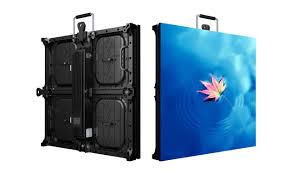
LED LCD screens combine liquid crystal display (LCD) technology with light-emitting diode (LED) backlighting to enable vivid, high-contrast images with excellent color accuracy. The LED backlight is fundamental to the display's brightness and uniformity, while the liquid crystal panel controls light modulation for image clarity.
Critical parameters include:
- Pixel Pitch: Defines the distance between individual pixels, measured in millimeters (e.g., 0.5mm to 2.5mm for fine-pitch displays). Smaller pixel pitch yields higher resolution and sharper images, suitable for close viewing distances.
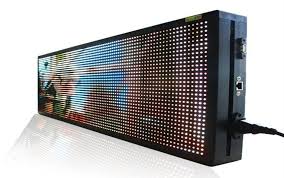
- Brightness: Expressed in nits (cd/m²), with typical professional-grade screens ranging from 500 to over 1000 nits. Greater brightness improves visibility in ambient light conditions.
- Contrast Ratio: The ratio between the luminance of the brightest white and the darkest black the display can produce. Higher ratios (e.g., 3000:1 or more) result in deeper blacks and enhanced image depth.
- Color Gamut: Coverage of color spaces such as sRGB, Adobe RGB, or DCI-P3. Wider gamut ensures richer and more accurate color reproduction.
- Refresh Rate: The screen’s ability to update images per second, key for smooth motion rendering in video and gaming applications, typically 60Hz or higher.
Manufacturing Precision and Material Selection
Manufacturing high-quality LED LCD screens demands meticulous processes adhering to international standards like IEC 62715 (related to flat panel display performance) and ISO 9241-307 (visual ergonomics for electronic displays). The assembly of the LED backlight layer requires consistency in LED placement and calibration to prevent hot spots and achieve uniform luminance across the screen’s surface.
Materials play a critical role:
- LED Chips: Gallium nitride (GaN)-based LEDs provide superior efficiency and longevity. Using high-purity semiconductor materials reduces defects and extends device lifespan.
- Liquid Crystal Materials: Advancements in nematic liquid crystals and alignment films have improved response times and viewing angles.
- Optical Films: Diffusers, brightness enhancement films, and polarization layers optimize light distribution and minimize reflection, ensuring high display quality even under challenging lighting.
Quality Control and Reliability Testing
The manufacturing workflow integrates rigorous quality assurance steps such as:
- Burn-In Tests: Continuous operation tests to detect early failure of LEDs and eliminate defective units.
- Uniformity and Color Calibration: Using spectroradiometers and colorimeters, engineers calibrate displays to meet precise color temperature standards (typically around 6500K).
- Environmental Stress Testing: Evaluating performance under varying temperatures, humidity, and vibration conditions to guarantee reliability in diverse operating environments.
- Lifetime Estimation: LED backlight lifetime generally exceeds 50,000 hours, but accelerated aging tests validate these projections before product release.
Industry Case Studies and Application Insights
In high-profile deployments such as broadcast studios and control rooms, fine-pitch LED LCD displays with pixel pitches below 1mm have set new benchmarks for image fidelity. For instance, Sony's Crystal LED technology demonstrates superior contrast ratios (>10000:1) and brightness uniformity essential for cinematic visuals, conforming to SMPTE (Society of Motion Picture and Television Engineers) standards.
Outdoor digital signage employs LED LCD screens designed with higher brightness (>2000 nits) and anti-reflective coatings to counter daylight glare. Manufacturers follow IEC standards for outdoor durability and ingress protection (IP), ensuring screens withstand weather exposure and UV radiation.
Future Trends and Innovations
Continued research focuses on mini-LED and micro-LED backlighting to enhance local dimming zones, significantly boosting contrast without compromising power efficiency. Integration of AI-driven calibration algorithms enables adaptive brightness and color adjustments based on ambient lighting and content type. Additionally, sustainable manufacturing practices, including lead-free components and recyclable materials, are gaining prominence to comply with environmental regulations like RoHS (Restriction of Hazardous Substances).
Conclusion
Superior LED LCD screen manufacturing combines advanced materials science, precise engineering, and standardized quality protocols to produce displays that meet the demanding expectations of modern applications. Staying abreast of international quality standards and embracing innovative technologies ensures that manufacturers deliver screens with excellent durability, visual performance, and energy efficiency. These best practices not only satisfy technical requirements but also enhance end-user experience across diverse environments.
By understanding the interplay between pixel architecture, optical layers, and calibration techniques, professionals can consistently optimize LED LCD manufacturing processes and achieve industry-leading display solutions.













