

Advanced Insights into LED LCD Screen Manufacturing: Technical Parameters, Best Practices, and Industry Standards
In the rapidly evolving landscape of display technologies, LED LCD screens have established themselves as the cornerstone of high-quality visual experiences across various industries. From consumer electronics to professional signage and medical imaging, the demand for robust, efficient, and precise LED LCD manufacturing has surged. This article offers an in-depth exploration of the critical technical parameters, manufacturing best practices, and industry standards shaping the production of LED LCD screens, emphasizing authoritative and practical insights grounded in extensive engineering expertise.
LED LCD (Liquid Crystal Display) technology relies on a backlighting system consisting of Light Emitting Diodes (LEDs) to illuminate the liquid crystal layer, delivering enhanced brightness, energy efficiency, and color accuracy compared to traditional CCFL (Cold Cathode Fluorescent Lamp) backlights. The manufacturing process involves precise integration of semiconductor LED arrays, optical films, liquid crystal modules, and driver electronics to optimize screen performance.
Key Technical Parameters
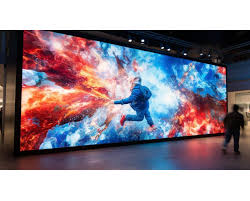
1. Resolution and Pixel Density: Modern LED LCD panels typically feature resolutions ranging from Full HD (1920×1080) to 4K UHD (3840×2160), with pixel densities measured in pixels per inch (PPI). Higher PPI ensures sharper image quality and finer detail rendering. For example, smartphones and professional monitors often exceed 300 PPI, while large-scale public displays maintain optimized pixel pitches for visibility at viewing distances.
2. Brightness and Contrast Ratio: Brightness levels are measured in nits (cd/m²), with typical LED LCD screens delivering between 300 to 1000 nits for indoor applications and up to 2000 nits or more for outdoor displays. A high contrast ratio (often 1000:1 or greater) is essential to distinguish subtle image details and ensure vibrant color reproduction. Manufacturers employ advanced LED backlighting arrays and local dimming techniques to achieve these parameters.
3. Color Gamut and Accuracy: Color performance is quantified by coverage of color spaces such as sRGB, Adobe RGB, and DCI-P3. Professional-grade LED LCDs aim to cover 99% or more of these gamuts. Color calibration procedures using spectrophotometers ensure delta E values below 2, signifying highly accurate color reproduction critical for applications like graphic design and medical diagnostics.
4. Response Time and Refresh Rate: Response time, typically measured in milliseconds (ms), defines how quickly a pixel can change states, with values below 5 ms preferred for smooth motion display. Refresh rates of 60Hz to 240Hz cater to various use cases including gaming and video playback, influencing perceived fluidity and reducing motion blur.
5. Viewing Angle: LED LCD screens utilize advanced in-plane switching (IPS) or vertical alignment (VA) technologies to achieve wide viewing angles, typically up to 178 degrees horizontally and vertically. This parameter ensures consistent image quality regardless of the viewer’s position, vital for collaborative environments and large-format displays.
Manufacturing Best Practices
Manufacturing LED LCDs demands meticulous quality control at every stage, from raw material selection to final assembly. Key practices include:
- Cleanroom Environment: Strict cleanliness standards (ISO 5-7) prevent contamination affecting display uniformity and reliability.
- LED Backlight Uniformity: Utilizing automated optical inspection systems verifies consistent LED luminance and color temperature across the backlight panel, critical for avoiding hot spots or dim areas.
- Module Assembly Precision: Employing automated pick-and-place robotic systems ensures exact positioning of liquid crystal cells and optical films, reducing defects and enhancing image uniformity.
- Thermal Management: Given heat sensitivity of LED components, effective thermal design including heat sinks and controlled ambient conditions extends device lifespan and performance stability.
- Comprehensive Testing Protocols: Adhering to IEC 62368-1 safety standards and performing durability tests such as burn-in, color shift, and environmental stress testing guarantee compliance and user confidence.
Industry Standards and Trends
The LED LCD manufacturing sector aligns with international standards from organizations like the International Electrotechnical Commission (IEC), Society for Information Display (SID), and Underwriters Laboratories (UL). Compliance with RoHS (Restriction of Hazardous Substances) directives also ensures environmentally responsible production.
Emerging trends influencing the field include mini-LED and micro-LED backlighting, offering enhanced contrast ratios and dynamic range by enabling localized dimming at finer scales. Additionally, integrating AI-driven calibration algorithms enhances color consistency and compensates for aging effects.
In conclusion, manufacturing superior LED LCD screens involves a synergy of advanced material science, precision engineering, and stringent quality standards. By continuously refining technical parameters, adopting best manufacturing practices, and complying with evolving standards, manufacturers can deliver displays that meet the growing expectations for performance, durability, and visual excellence.













