

Advanced Technologies and Best Practices in LED Display Manufacturing for Optimal Performance
In the rapidly evolving field of display technology, LED (Light Emitting Diode) displays remain at the forefront due to their exceptional brightness, energy efficiency, and versatility. As a professional LED display engineer with extensive experience in manufacturing, design, and implementation, this article examines the critical technical parameters, manufacturing processes, and industry standards that define high-quality LED displays. It also explores current challenges and innovative practices that ensure durability, color accuracy, and pixel uniformity, contributing to superior end-user experience.
Understanding LED Display Technology
LED displays rely on arrays of individual diodes that emit light when electrically stimulated. Each pixel in a display consists of one or more LEDs — usually red, green, and blue (RGB) — combined to produce a wide color gamut. The precision in the manufacturing and alignment of these LEDs directly influences the overall image quality.
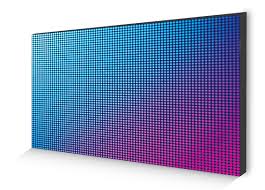
Crucial technical specifications include pixel pitch, refresh rate, brightness, contrast ratio, color temperature, and viewing angle. Pixel pitch, typically measured in millimeters, is the distance between the centers of two adjacent pixels; a smaller pixel pitch results in higher resolution and better image clarity, which is crucial for close-range viewing applications. For instance, indoor LED displays usually feature pixel pitches ranging from 1.2 mm to 4 mm, whereas outdoor displays may have larger pitches, typically between 4 mm and 20 mm, to accommodate longer viewing distances and greater brightness requirements.
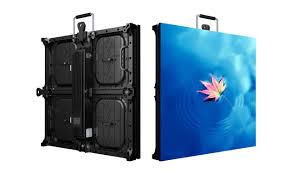
Manufacturing Processes and Quality Control
Manufacturing LED displays involves a multidisciplinary process, integrating semiconductor fabrication with precision assembly and testing. Key stages include LED binning, PCB (Printed Circuit Board) fabrication, mounting, soldering, encapsulation, and module calibration.
LED binning is essential to ensure color consistency and brightness uniformity across an entire display. Each LED is tested and sorted based on wavelength, brightness, and forward voltage. This process aligns with industry standards such as those defined by the International Electrotechnical Commission (IEC) and the Joint Electron Device Engineering Council (JEDEC), which establish measurement protocols and tolerances.
In assembly, automated surface mount technology (SMT) machines place LEDs on PCBs with accuracy up to micron-level tolerances. After soldering, displays undergo rigorous testing, including functional checks, thermal cycling, and burn-in tests to identify early failures and guarantee long-term performance stability.
Optimization Techniques for Enhanced Performance
Innovations in LED display design have expanded beyond hardware to include software-driven calibration and control technologies. Real-time feedback systems enable dynamic adjustment of brightness, color balance, and power consumption, adapting to ambient light conditions and content demands.
One widely adopted standard is HDR (High Dynamic Range) support, which requires precise control over local dimming zones within LED panels. This necessitates tighter LED placement and enhanced driver electronics to manage multiple dimming levels per pixel accurately.
Additionally, advancements in phosphor conversion methods have improved the white balance and color rendering index (CRI) of LED displays, enabling more natural and vivid colors. Using multi-chip LEDs or quantum dot enhancement films can also broaden the color gamut beyond the conventional Rec. 709 standard, approaching the DCI-P3 or REC. 2020 color spaces, vital for professional cinema and high-end commercial displays.
Reliability and Durability Considerations
LED displays often operate in challenging environments, especially outdoor digital signage and stadium screens. Protective measures including conformal coatings, IP-rated enclosures (typically IP65 or higher), and robust heat dissipation systems are integral to prevent degradation caused by moisture, dust, and excessive heat.
Thermal management is critical because LED lifetime and color stability degrade with rising junction temperatures. Heat sinks, thermal interface materials, and active cooling mechanisms are engineered to maintain optimal operating temperatures, extending device lifespan beyond 100,000 hours under typical conditions.
Compliance with Industry Standards
Adherence to industry standards such as ANSI (American National Standards Institute) C82 for LED testing, IEC 62717 for LED modules, and UL certifications for safety is mandatory for market acceptance. These standards ensure that LED products meet performance criteria, energy efficiency, and user safety requirements.
Recent trends also emphasize sustainability and energy efficiency, encouraging manufacturers to implement environmentally responsible materials and processes. The shift toward ROHS-compliant components and recyclable materials reflects growing regulatory and consumer emphasis on green technologies.
Conclusion
High-caliber LED display manufacturing demands meticulous attention to technical detail, strict quality control, and ongoing innovation to meet evolving market needs. By combining advanced semiconductor processes with rigorous testing and adaptive calibration, manufacturers can deliver displays that excel in brightness, color fidelity, longevity, and reliability. Continuous adherence to recognized industry standards ensures that LED displays provide exceptional performance across diverse applications — from indoor retail environments to large-scale outdoor installations.
Investing in precision engineering and best practices not only drives superior product performance but also underpins sustainable growth and customer satisfaction in the competitive LED display industry.













