

High Brightness Panel PC: Technology, Applications, and Industry Standards
In the evolving landscape of industrial and outdoor computing, High Brightness Panel PCs have become essential for reliable operation under challenging environmental conditions. These ruggedized devices combine advanced display technology with robust processing capabilities tailored for demanding applications such as factory automation, outdoor kiosks, transportation, and military use. This article delves into the technical aspects, key specifications, and industry standards that define high brightness panel PCs while offering insights from engineering practices that ensure performance and durability.
Understanding High Brightness Panel PCs
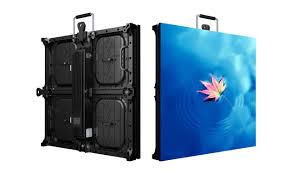
A high brightness panel PC refers to an integrated computing system equipped with a display screen that provides exceptional luminance levels, usually measured in nits (cd/m²). Unlike typical monitors or standard panel PCs, these devices feature displays with brightness levels of 1000 nits or higher, enabling clear visibility under direct sunlight or harsh lighting conditions.
From an engineering perspective, these systems incorporate Advanced LED backlighting, optimized optical films, and transmissive LCD technologies that collectively enhance contrast ratio and reduce glare. Recent trends also show the integration of OLEDs and microLEDs for selective applications, delivering higher brightness with better color accuracy and energy efficiency.
Key Technical Parameters
- Brightness: Typically ranging from 1000 to 2500 nits; premium models can exceed 3000 nits for extreme outdoor environments.
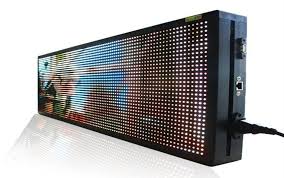
- Resolution: Full HD (1920x1080) is standard, with 4K UHD options increasingly available to support intricate graphical interfaces.
- Contrast Ratio: Higher contrast ratios (up to 1000:1 or more) improve readability in bright ambient light.
- Touchscreen Technology: Often equipped with PCAP (Projected Capacitive) or Resistive Touch panels, with PCAP preferred for multi-touch and durability.
- IP Rating: Robust sealing with ratings like IP65, IP67, or higher to ensure dust and water resistance.
- Operating Temperature: Designed to function between -20°C to +70°C, with customized thermal management solutions to maintain performance.
- Processor & Memory: Industrial-grade CPUs such as Intel Core i5/i7 or ARM-based processors; RAM from 4GB to 32GB depending on application demand.
- Connectivity: Includes multiple I/O ports (USB, Ethernet, HDMI, Serial ports), Wi-Fi, Bluetooth, and cellular options for integration into IoT ecosystems.
Industry Standards and Certifications
High brightness panel PCs often comply with rigorous certifications such as:
- MIL-STD-810G for shock, vibration, and temperature resistance, crucial for military and transportation applications.
- UL and CE certifications ensure safety and electromagnetic compliance.
- RoHS and REACH for environmentally responsible manufacturing and materials use.
- ISO 9001 certified manufacturing processes guarantee product quality and consistency.
Adhering to these standards not only assures product reliability but also extends the panel PC's lifecycle in adverse conditions.
Applications Driving Demand
1. Industrial Automation: On manufacturing floors, sunlight-readable panel PCs streamline operator control and monitoring, minimizing downtime and enhancing productivity.
2. Outdoor Digital Signage and Kiosks: Public information systems require high brightness displays to remain visible under intense daylight while maintaining interactive capabilities.
3. Transportation Systems: Rail and aviation sectors utilize rugged panel PCs with high brightness displays for cockpit instrumentation and passenger information systems, where clarity and durability are paramount.
4. Military and Defense: High brightness displays allow for critical mission data readability in variable lighting and harsh environments.
5. Marine and Oil & Gas: Corrosion-resistant designs and high brightness enable reliable operation in offshore rigs and ships.
Challenges and Engineering Solutions
One common hurdle is heat dissipation caused by bright LED backlight modules. Manufacturers incorporate advanced heat sinks, thermal interface materials, and sometimes active cooling to manage thermal loads without compromising ruggedness.
Power consumption is another consideration, as higher brightness generally increases energy demands. Engineers balance efficiency with brightness through innovations such as local dimming and adaptive brightness controls.
From a manufacturing viewpoint, selecting the right optical bonding techniques—such as silicone or epoxy bonding—reduces internal reflections and emphasizes display brightness and durability.
Future Trends
With the rise of IoT and edge computing, high brightness panel PCs are becoming smarter, integrating AI accelerators and edge analytics capabilities. The trend towards thinner, lighter panels with enhanced ergonomics also continues, leveraging newer materials and display technologies like mini-LED backlighting to push brightness and contrast while reducing power draw.
Conclusion
High brightness panel PCs are pivotal in bridging the gap between robust computing and enhanced visibility in challenging environments. Their intricate design balances display technology, industrial-grade hardware, and protection standards to deliver superior performance. As technologies evolve, these panel PCs will continue to enable smarter industrial applications and outdoor interfaces, ensuring clarity and reliability wherever high luminance is critical.
References:
- International Electrotechnical Commission (IEC) 60529 Standard for IP Ratings
- MIL-STD-810G Environmental Engineering Considerations and Laboratory Tests
- NVIDIA Embedded Computing Solutions for Industrial Display Technologies
- DisplayMate Technologies: Display Technology Performance Reports
- Industrial PC Review Journal, 2023 Edition













