

Advancements and Best Practices in LED Display Manufacturing: A Professional Overview
The rapid evolution of LED display technology has transformed the landscape of visual communication across various industries including advertising, sports, entertainment, and control systems. As an experienced LED display engineer with comprehensive expertise in manufacturing, this article aims to provide an authoritative and technically nuanced perspective on the current best practices, design considerations, and manufacturing standards that drive the production of high-quality LED displays.
Introduction
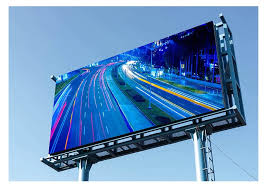
LED (Light Emitting Diode) displays have become the cornerstone of modern visual technology due to their superior brightness, energy efficiency, and versatility compared to traditional LCDs and projection systems. Their application ranges from large-scale outdoor billboards to high-resolution indoor signage and video walls. However, manufacturing high-performance LED displays requires an intricate process involving precise component selection, advanced assembly techniques, and rigorous quality control to meet industry standards such as IEC 62471 for photobiological safety and IEC 60068 for environmental testing.
Core Technical Parameters and Manufacturing Considerations
1. Pixel Pitch and Resolution
Pixel pitch—the distance between adjacent LED clusters—determines the display’s resolution and viewing distance. For instance, fine-pitch LEDs typically range from 0.9 mm to 3.9 mm and are indispensable for indoor environments requiring close user proximity and high detail, such as control rooms or retail displays. Outdoor displays usually feature a pixel pitch of 10 mm or greater to balance visibility and cost-efficiency.
2. Brightness and Contrast Ratio
Brightness is measured in nits (cd/m²), with outdoor LED displays requiring luminance levels of 5,000 to 10,000 nits to overcome sunlight glare. Indoor displays generally operate at 800 to 1,200 nits to preserve image quality without eye strain. Contrast ratio is equally critical, impacted by LED binning quality and the display’s optical design, affecting color vibrancy and depth perception.
3. Refresh Rate and Color Accuracy
Modern high-end LED displays support refresh rates exceeding 3,000 Hz, reducing flicker artifacts, especially important for video recording environments and live broadcasts. Color calibration, adhering to standards like ANSI and Rec. 709, ensures consistent color reproduction across different lighting conditions and viewing angles.
4. Thermal Management and Longevity
Heat dissipation is a significant concern in high-brightness LEDs to maintain luminous efficacy and extend lifespan. Incorporating aluminum or copper heat sinks, coupled with intelligent fan systems and conformal coatings, can protect components against thermal stress and humidity, achieving operational lifetimes of 100,000+ hours as specified by manufacturers such as Nichia and Cree.
5. Manufacturing Precision and Quality Control
SMD (Surface Mount Device) technology dominates LED module assembly, requiring automated pick-and-place machines with micron-level precision. Post-assembly processes include solder inspection using Automated Optical Inspection (AOI) and functionality tests via Integrated Circuit testing to identify dead pixels or inconsistent brightness early. Additionally, adherence to IPC standards such as IPC-A-610 ensures solder joint reliability and reduces defective failure rates.
Case Studies from Industry Leaders
- A notable case involves the production of a 4K indoor LED video wall with a 1.2 mm pixel pitch for a financial trading floor. The project emphasized ultra-high refresh rates and color accuracy to mitigate eye fatigue while delivering real-time data visualization. Utilizing advanced calibration systems, the display exceeded Rec. 709 standards with over 95% color accuracy.
- Another exemplar involves a ruggedized outdoor display designed for highway traffic management, requiring operation under -30°C to +50°C environments and compliance with IP67 waterproof ratings. By implementing LED components with enhanced ruggedness and advanced thermal control, the installation maintained durability over a 5-year field deployment without significant degradation.
Conclusion
The manufacturing of LED displays encapsulates multi-disciplinary expertise ranging from semiconductor physics to precision mechanical engineering and software calibration. By understanding and optimizing critical parameters such as pixel pitch, luminance, thermal management, and assembly quality, manufacturers can deliver displays that meet demanding application requirements globally. Continuous advances in microLED and flexible LED technologies promise even greater versatility and performance in the near future, reaffirming LED displays as a pivotal element in digital visual ecosystems.
References
- IEC 62471:2006 Photobiological safety of lamps and lamp systems
- IEC 60068 Environmental testing standards
- IPC-A-610 Acceptability of Electronic Assemblies
- Nichia LED Datasheets
- Cree Inc. Technical Application Guides
- Society for Information Display (SID) Proceedings













