

Advanced LED Display Technologies: Practical Applications, Advantages, and Latest Industry Trends
LED display technology has transformed the visual communication landscape, providing dynamic, vibrant, and energy-efficient solutions across various industries. As a professional LED display engineer with extensive experience in screen manufacturing and integration, this article aims to provide a comprehensive overview of LED display technologies, their practical applications, key advantages, common challenges, and the latest industry trends shaping the future of digital displays.
Practical Applications of LED Displays
LED (Light Emitting Diode) displays are widely utilized in indoor and outdoor environments owing to their superior brightness, contrast ratio, and durability. Common applications include:
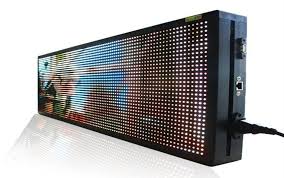
- Advertising and Digital Signage: Outdoor LED billboards and indoor digital signage are prevalent worldwide, facilitating vibrant brand messaging and real-time content updates. High refresh rates (≥ 3840 Hz) ensure flicker-free display, suitable for broadcasting and live events.
- Sports Arenas and Entertainment Venues: Large-format LED screens in stadiums provide clear visibility under varying lighting conditions. Pixel pitches as small as 4 mm enable high-resolution displays visible to distant audiences.
- Transportation and Public Information Systems: Train stations, airports, and highways use LED displays for wayfinding, real-time schedules, and safety warnings. These displays typically require IP65 or higher ingress protection to withstand outdoor elements.
- Control Rooms and Command Centers: Indoor narrow pixel pitch LED walls (≤ 1.5 mm) offer precise image clarity essential for monitoring and control systems. High gray scale (≥ 14 bit) and uniformity are critical parameters here.
- Art and Interactive Installations: LED technology supports creative expression with customizable shapes, transparent displays, and integration with sensors for interactivity.
Advantages of LED Display Technology
LED displays hold distinct advantages compared to LCD and projection technologies:
- Energy Efficiency: LEDs consume significantly less power due to direct emission technology and the ability to dim independently. Advances in chip technology have further reduced power demand by up to 30%.
- Brightness and Contrast: Peak brightness levels commonly exceed 5000 nits for outdoor LED screens, ensuring readability even in direct sunlight. In contrast, LCD panels generally peak at 1000 nits.
- Wide Viewing Angles: Typical horizontal and vertical viewing angles exceed 160°, enabling consistent image quality from diverse perspectives.
- Durability and Lifespan: High-quality LED modules typically offer 100,000 hours of service life under proper operating conditions, minimizing costly maintenance and replacements.
- Scalability and Flexibility: LED screens can be fabricated in virtually any size, shape, or curvature, suited for unique architectural designs or seamless video walls.
Common Problems and Solutions in LED Display Manufacturing
Despite advancements, LED display manufacturers encounter several challenges:
- Color Uniformity: Variations between LED bins and thermal effects can cause color shift. Utilizing advanced binning standards such as ANSI C78.377-2017 and implementing real-time calibration algorithms help ensure color consistency.
- Pixel Failure and Dead LED Points: Manufacturing defects or mechanical stress may lead to pixel malfunction. Implementing strict quality control with automated optical inspection (AOI) and using redundant LED designs can mitigate this issue.
- Heat Dissipation: LED modules generate heat requiring efficient thermal management through aluminum heat sinks and active cooling techniques to prolong lifespan and stabilize brightness.
- EMI and Signal Integrity: High-frequency refresh rates necessitate shielded cabling and robust signal processing ICs to prevent electromagnetic interference impacting displayed content.
Latest Trends in LED Display Technology
The LED display industry is rapidly evolving with new innovations:
- Micro-LED Technology: Micro-LEDs offer pixel densities exceeding 10,000 PPI with superior energy efficiency and color fidelity. This is promising for next-generation TVs, augmented reality (AR), and wearable devices.
- Transparent and Flexible LED Displays: Transparent LED screens with >60% light transmittance cater to retail and architectural applications, allowing natural light while displaying dynamic content. Flexible substrates enable curved and conformable displays for automotive interiors and installations.
- AI-Driven Calibration and Content Management: AI algorithms optimize brightness, contrast, and color in real-time based on ambient conditions, enhancing viewer experience and reducing operational costs.
- Sustainable Manufacturing: Increasing emphasis on recyclable materials, lead-free soldering, and energy-saving production lines aligns with global environmental standards such as RoHS and WEEE directives.
According to the International Electrotechnical Commission (IEC 62622) standards and industry reports by the Display Supply Chain Consultants (DSCC), LED display adoption is projected to grow at a CAGR of over 10% through 2028 due to expanding applications and technological improvements.
Conclusion
LED display technology represents a paradigm shift in visual communication across commercial, entertainment, industrial, and public sectors. Understanding the key parameters, practical applications, common challenges, and adopting the latest advancements can enable manufacturers and end-users to maximize the benefits of this versatile technology. Adhering to international standards and investing in innovation are critical to sustaining competitive advantage in the dynamic LED display market.













