

Advanced Insights into LED Display Technology: Applications, Advantages, and Emerging Trends
In the rapidly evolving landscape of digital visualization, LED display technology has emerged as the cornerstone for vibrant, high-definition visual communication. As an experienced LED display engineer, this article delves into the practical applications, intrinsic advantages, common operational challenges, and the latest technological developments shaping the LED display industry.
Practical Applications of LED Displays
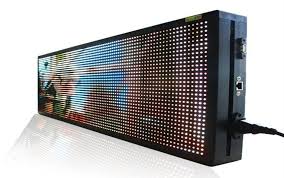
LED displays are utilized across diverse sectors worldwide, transcending geographic and industry boundaries. Predominantly, these include:
- Advertising and Outdoor Signage: With exceptional luminosity and weather resistance, LED billboards and digital signs ensure visibility in various lighting conditions.
- Sports Arenas and Stadiums: High refresh rates (exceeding 3840 Hz) and wide color gamuts enhance the live viewing experience.
- Broadcast and Control Rooms: Ultra-high-definition panels with superior color accuracy support critical decision-making environments.
- Retail and Exhibition Spaces: Dynamic content display draws consumer attention, driving engagement and sales.
- Transportation Hubs: Real-time information displays improve passenger flow and safety.
A case study from Times Square, New York, illustrates how a 4K LED video wall with a pixel pitch of 2.5 mm revolutionized urban advertising through ultra-sharp imagery and high durability under stringent environmental conditions.
Advantages of LED Displays
1. Superior Brightness and Contrast: Modern indoor LED panels achieve brightness levels up to 1,200 nits, while outdoor modules reach up to 6,500 nits, ensuring excellent visibility even in direct sunlight.
2. Energy Efficiency: Advancements in semiconductor materials have reduced power consumption by over 30% compared to earlier LED models, contributing to sustainable deployment.
3. Long Lifespan and Reliability: Typically offering 50,000 to 100,000 hours of operational life, LED displays maintain consistent luminance with minimal degradation.
4. Flexible Form Factors: Innovations in flexible LED modules enable curved and creative installations, expanding design possibilities.
5. Wide Viewing Angles and Color Fidelity: With viewing angles commonly at 160° horizontal and vertical and color depths of 16.7 million colors, LED displays provide immersive visual experiences.
Common Challenges and Solutions
Despite their many benefits, LED displays confront several operational challenges:
- Dead Pixels and Module Failure: Regular maintenance protocols and the incorporation of redundancy in modular designs mitigate these issues.
- Heat Dissipation: Utilizing high-efficiency cooling systems and thermally conductive substrates enhances system longevity.
- Calibration and Uniformity: Advanced calibration tools employing spectroradiometers ensure color and brightness uniformity across large-sized arrays.
- Environmental Stress: IP65/IP67 ratings and conformal coatings protect against moisture and dust ingress, critical in outdoor installations.
- Content Management Complexity: Integrated content management systems (CMS) with AI-based scheduling optimize display content dynamically.
Emerging Trends in LED Display Manufacturing
The LED display sector is witnessing transformative trends propelled by technological innovation:
- Mini-LED and Micro-LED Technologies: These offer unprecedented pixel density, contrast ratios exceeding 1,000,000:1, and reduced response times, moving beyond traditional LCD backlit displays.
- AI-Driven Display Optimization: Real-time data analytics adjust brightness and color profiles based on ambient conditions and viewer feedback.
- Sustainability Initiatives: Adoption of recyclable materials and energy harvesting components aligns with global environmental standards such as RoHS and REACH.
- Integration with IoT and 5G: Enabling real-time content updates and interactive applications, significantly enhancing user engagement.
- HDR and Wide Color Gamut Standards: Compliance with Rec. 2020 and HDR10 enhances image fidelity in commercial and broadcast environments.
Industry standards such as IEC 62087 outline test methods for power consumption, while ANSI/IES RP-16-10 guides lighting and display quality, ensuring consistency across manufacturers.
Technical Considerations for Optimal Performance
- Pixel Pitch: Defines resolution and viewing distance suitability; ranges from 0.7 mm for indoor fine-pitch displays to over 10 mm for large outdoor screens.
- Refresh Rate: Minimum 3840 Hz is recommended for broadcast applications to eliminate flicker.
- Brightness Levels: Adjustment capabilities from 200 nits indoors to 6,000+ nits outdoors.
- Color Temperature and Contrast Ratio: Tuned to 6500K color temperature and contrast ratios upward of 3,000:1 for vivid images.
- Modularity: Facilitates scalable assembly and straightforward servicing.
Conclusion
The evolution of LED display technology embodies the convergence of engineering excellence and innovative design, offering unparalleled solutions for visual communication in various industries. Understanding its practical applications, leveraging its inherent advantages, proactively addressing common challenges, and embracing the latest trends are essential for professionals aiming to maximize the impact and longevity of LED display installations.
For continued advancement, adherence to international standards and collaboration across the supply chain remain paramount, ensuring that LED technology not only meets but exceeds the growing demands of global markets.













