

Advanced Techniques and Standards in LED Display Manufacturing: Ensuring Quality and Performance
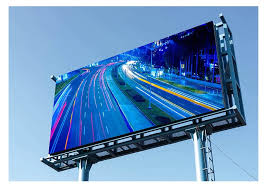
The LED display industry has seen transformative advancements in recent years, driven by evolving consumer demands, technological innovation, and the need for enhanced durability and visual performance. As a professional LED display engineer, understanding the critical manufacturing parameters, industry standards, and quality control mechanisms is imperative for delivering reliable, high-performance LED screens for applications ranging from outdoor digital billboards to indoor commercial displays.
Key Manufacturing Parameters and Technical Standards
Manufacturing high-quality LED displays begins with the selection of premium components that meet rigorous standards. LED dies, for example, must conform to semiconductor industry criteria such as those set by JEDEC (Joint Electron Device Engineering Council), ensuring low power consumption, high luminous efficacy, and long lifespan—typically rated upwards of 100,000 hours of operation. Pixel pitch, a crucial parameter defining the distance between pixel centers, greatly influences the resolution and viewing distance. Indoor displays commonly utilize pixel pitches ranging from 1.2mm to 4mm for crisp images, while outdoor displays prioritize robustness with pixel pitches from 6mm to 20mm or larger to enhance visibility at greater distances.
The display’s brightness and contrast ratio are determined by both the LED type and the module design. For outdoor usage, displays must exceed brightness levels of 5,000 nits to maintain clarity under direct sunlight. Additionally, modern LED displays incorporate advanced calibration techniques using colorimetric standards (such as CIE 1931 color space) to ensure color uniformity and fidelity across the screen surface.
Manufacturing Techniques and Quality Control
Precision during assembly is a hallmark of professional LED display manufacturing. The use of automated pick-and-place machines allows for precise LED placement at sub-millimeter accuracy, reducing the risk of dead pixels and ensuring uniform visual output. Soldering quality, tested against IPC-A-610 standards for electronic assembly, ensures long-term electrical reliability even under thermal cycling typical for outdoor environments.
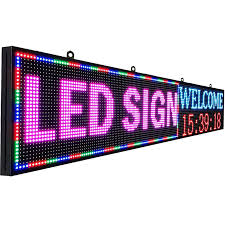
Environmental testing, such as IP65 or higher rated enclosures, guarantees protection against dust and moisture ingress, critical for outdoor applications subject to rain, wind, and temperature fluctuations. Engineering teams often conduct extensive thermal management simulations to dissipate heat efficiently, minimizing thermal stress on LEDs and prolonging operational lifespan.
Industry Case Studies and Practical Application
International brands have increasingly adopted these advanced manufacturing and testing standards for large-scale projects. For example, the Times Square billboards utilize ultra-fine pixel pitch LED modules combined with intelligent brightness sensors and anti-glare coating technology to deliver unmatched visibility and dynamic content display. Similarly, stadium installations deploy ruggedized LED displays complying with MIL-STD-810G standards to ensure shock and vibration resistance in high-use environments.
The shift towards energy-efficient LED panels with enhanced firmware for pixel management also exemplifies the industry's commitment to sustainability and cost reduction. Dynamic refresh rate technologies reduce energy consumption without compromising image quality, supported by stringent IEC 62368-1 electrical safety certification.
Conclusion
In summary, the professional manufacture of LED displays requires a comprehensive understanding of semiconductor quality, assembly precision, environmental resilience, and compliance with international standards. By integrating these elements, engineers can produce LED screens that excel in brightness, durability, color accuracy, and long-term reliability. Acceptance of rigorous testing protocols and adherence to industry benchmarks ultimately contribute to the deployment of LED displays that meet the expectations of diverse international markets, from advertising to live event production.
For manufacturers, staying abreast of technological innovations, such as mini-LED and micro-LED developments, further positions their products at the frontier of display technology, promising even greater resolution and energy efficiency in future applications.













