

Conference LED Screen: Enhancing Corporate Communication with Advanced Display Technology
In today’s fast-paced corporate environment, effective communication is paramount. A conference LED screen serves as a cornerstone technology that significantly enhances presentation quality and audience engagement during meetings, seminars, and corporate events. This article delves into the technical aspects, benefits, and practical applications of conference LED screens, backed by industry standards and case studies, to provide a comprehensive guide for businesses looking to upgrade their conferencing solutions.
Understanding Conference LED Screens
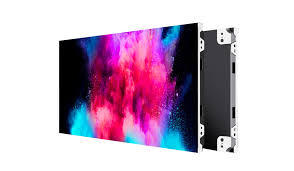
A conference LED screen is a display technology designed specifically for indoor meeting rooms, auditoriums, and conference halls. Unlike traditional LCD panels, LED screens use self-emissive diodes, providing superior brightness, contrast ratios, and viewing angles. These panels come in various pixel pitches, typically ranging from 1.2mm to 2.5mm for indoor applications, allowing crisp and clear images even at close distances.
Technical Specifications and Industry Standards
To ensure optimal performance, conference LED screens must adhere to stringent technical parameters. Key specifications include:
- Pixel Pitch: The distance between adjacent LED pixels, commonly 1.2mm to 2.5mm, directly impacting image resolution and clarity. Smaller pixel pitch yields higher resolution suitable for close viewing distances.
- Brightness: High brightness levels of 800 to 1500 nits are recommended for conference rooms, balancing visibility without causing eye strain.
- Refresh Rate: A refresh rate of 3840Hz or higher is crucial to avoid flicker during video conferencing or live broadcasting, ensuring smooth motion and clear visuals.
- Color Accuracy and Gamut: Wide color gamut support (up to 130% NTSC) and high color accuracy guarantee natural image reproduction, essential for presentations involving detailed graphics or product demonstrations.
- Viewing Angle: Typically, 160° horizontal and vertical viewing angles allow the audience to view the content clearly from various seating positions.
Industry standards such as the D65 white point calibration and compliance with Rec.709 color space ensure that colors on conference LED screens remain consistent and accurate across different lighting conditions.
Advantages of Conference LED Screens Over Traditional Displays
Conference LED screens offer several advantages compared to traditional LCD or projector-based solutions:
1. Superior Image Quality: LED technology provides higher contrast ratios (up to 4000:1 or more) versus 1000:1 in conventional LCDs. This results in vibrant, sharp visuals that enhance audience focus.
2. Seamless and Scalable Displays: LED panels can be tiled seamlessly to create large-format displays without bezels, crucial for large conference halls.
3. Better Ambient Light Handling: Unlike projectors, LED screens maintain image clarity regardless of ambient light, enabling meetings during daylight without the need for darkened rooms.
4. Longer Lifespan and Reliability: High-quality LED screens offer 100,000 hours of operation with minimal maintenance, giving corporations a cost-effective and durable solution.
5. Flexible Installation: Slim and lightweight, LED panels can be wall-mounted, ceiling-hung, or even mobile, providing flexibility to fit unique conference room setups.
Case Study: Corporate Upgrade with Conference LED Screens
A leading multinational company recently upgraded their headquarters conference room with a 2.0mm pixel pitch LED screen sized 3.5m x 2m. Post-installation, they reported:
- Enhanced presentation engagement thanks to vibrant colors and clear visuals.
- Improved video conferencing quality due to high refresh rates and flicker-free performance.
- Reduced meeting setup time by eliminating projector calibration.
- Positive feedback from both internal teams and clients, citing improved professionalism.
Installation Considerations and Best Practices
To maximize the benefits of conference LED screens, consider these technical and environmental factors:
- Room Size and Viewing Distance: Ensure the pixel pitch suits the typical viewing distance; a general rule is pixel pitch (mm) multiplied by 1.5 should be less than the minimum viewing distance (in meters).
- Content Source Compatibility: Support for HDMI 2.0, DisplayPort, HDBaseT, and wireless casting technologies ensures wide compatibility with laptops, video conferencing platforms, and mobile devices.
- Ambient Lighting Control: While LED screens handle ambient light well, optimal room lighting further enhances the viewing experience.
- Calibration and Maintenance: Routine color calibration using tools compliant with standards like ISO 12646 ensures long-term color accuracy.
Future Trends in Conference LED Screen Technology
Innovation is driving next-generation conference displays with features such as:
- MicroLED Technology: Promising even higher brightness and energy efficiency with superior pixel density.
- Touchscreen Integration: Enabling interactive presentations and real-time annotations directly on the LED surface.
- AI-powered Content Optimization: Adaptive brightness and color adjustment based on room conditions for enhanced visual comfort.
Conclusion
The integration of conference LED screens represents a strategic investment in corporate communication infrastructure. Their superior image quality, versatility, and durability make them the preferred choice for organizations committed to delivering impactful presentations and fostering collaboration. Adhering to industry standards and carefully selecting technical specifications tailored to your environment will ensure a successful deployment that elevates your meeting experience.
For businesses seeking reliable, high-quality display solutions, conference LED screens open a new dimension in visual communication—blending advanced technology with practical corporate needs.
References:
1. Society for Information Display (SID), "Display Industry Standards," 2023.
2. International Electrotechnical Commission (IEC) 60068-2-29, Environmental Testing Standards for Displays.
3. Case studies from Barco and Leyard Technologies detailing corporate LED display installations.
4. "High-Resolution Indoor LED Displays: Pixel Pitch and Viewing Distance Guidelines," AVIXA White Paper, 2022.













