

Advanced Technologies and Best Practices in LED LCD Screen Manufacturing for Optimal Display Performance
The global demand for high-performance LED LCD screens continues to rise, driven by applications ranging from consumer electronics to large-scale digital signage and industrial displays. As an experienced LED display engineer with over a decade in the field, this article presents an authoritative overview of the advanced technologies, manufacturing processes, and best practices essential for producing LED LCD screens that meet stringent quality and performance standards.
Understanding LED LCD Screen Technology
LED LCD (Light Emitting Diode Liquid Crystal Display) screens integrate LED backlighting with an LCD panel to create vivid, energy-efficient displays. The LED backlight system replaces traditional cold cathode fluorescent lamp (CCFL) backlights, offering enhanced brightness, improved color gamut, faster response times, and extended lifespan.
Key technical parameters that define LED LCD screen quality include:
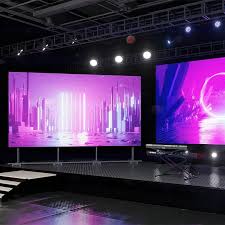
- Brightness: Typically ranges from 250 to 1500 nits depending on application; outdoor displays demand higher brightness (above 1000 nits) for visibility in sunlight (ISO 9241-307 standard).
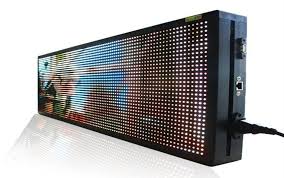
- Contrast Ratio: High contrast ratios such as 1000:1 or greater enable deeper blacks and more vivid images.
- Response Time: Critical for motion clarity, with values under 8ms preferred to avoid ghosting effects.
- Color Gamut: Coverage of sRGB or wider, such as AdobeRGB or DCI-P3, is essential for accurate color reproduction.
- Viewing Angles: Often above 178° horizontally and vertically to ensure consistent image quality from multiple perspectives.
Manufacturing Process and Quality Control
The production of LED LCD screens involves several critical stages:
1. LED Backlight Assembly: Modern manufacturing utilizes either edge-lit or direct-lit LED systems. Direct-lit designs employ arrays of LEDs behind the LCD panel, facilitating local dimming for enhanced contrast. The selection of LED types (e.g., SMD LEDs, Cob LEDs) affects brightness uniformity and energy efficiency.
2. Liquid Crystal Module Fabrication: This requires precise alignment of liquid crystal molecules and high-quality polarizing films to ensure uniform light modulation. Defects at this stage result in dead pixels and uneven image quality.
3. Panel Integration: The LCD panel is laminated to the LED backlight with optical films (diffusers, prism sheets) to optimize light distribution and reduce glare. Industry-standard cleanroom environments (ISO Class 5 or better) are essential to prevent contamination during assembly.
4. Electronics and Driver ICs: Incorporation of advanced driver ICs supports high refresh rates (120Hz or above) and finer control of LED backlight zones. This improves dynamic range and reduces power consumption.
5. Testing and Calibration: Comprehensive screening includes visual inspection under multiple light conditions, electrical testing for uniform luminance, and color calibration against known standards such as ITU-R BT.2020 or sRGB for consistency.
Recent Innovations and Trends
- Mini-LED and Micro-LED Backlighting: These technologies use smaller LED elements to create thousands of dimming zones, yielding higher contrast and better HDR performance. Mini-LED displays achieve over 2000 nits brightness with local dimming ratios exceeding 5000:1.
- Quantum Dot Enhancement: Quantum dot films integrated into backlight units enhance color purity and luminous efficacy, extending color gamut coverage up to 99% of DCI-P3 or higher.
- Flexible and Transparent Displays: Emerging flexible LED LCDs employ bendable substrates and novel alignment techniques to enable curved or transparent panels for next-generation applications.
- Sustainability and Energy Efficiency: Advances in LED phosphors and driver electronics help reduce overall energy consumption and meet certifications such as ENERGY STAR and TCO Displays 9.0.
Industry Standards and Compliance
Adherence to international standards ensures product reliability and customer confidence:
- ISO 9241-307: Specification for luminance and contrast measurements for displays.
- IEC 61966-2-1: Standard for color management and calibration.
- UL/IEC certifications: Safety and electro-magnetic compatibility standards required for consumer and commercial electronic devices.
- RoHS and REACH Regulations: Environmental compliance reducing hazardous substances in manufacturing.
Practical Considerations for Manufacturers
- Investing in state-of-the-art cleanrooms and precision equipment is crucial to minimize defect rates and enhance yield.
- Automation in LED placement and LCD assembly reduces human errors and improves uniformity.
- Comprehensive employee training on ISO/TS quality systems promotes consistent process adherence.
- Collaborating with component suppliers ensures timely access to advanced LEDs, optical films, and driver ICs.
Conclusion
Manufacturing high-quality LED LCD screens requires a deep integration of advanced materials, precise engineering, and rigorous quality control. Staying abreast of innovations such as mini-LED backlighting and quantum dot technology, while complying with global standards, allows manufacturers to deliver displays that excel in brightness, color accuracy, and durability. These factors are critical in meeting the diverse demands of consumer electronics, professional monitors, medical devices, and outdoor digital signage. Through continuous improvement and expert knowledge, the LED display industry can achieve ever higher benchmarks of performance and reliability.
References:
- International Organization for Standardization (ISO) 9241-307:2011 Ergonomics of Human-System Interaction – Part 307: Analysis and compliance test methods for electronic visual displays.
- IEC 61966-2-1:1999 Multimedia systems and equipment - Colour measurement and management - Part 2-1: Colour management - Default RGB colour space - sRGB.
- U.S. Department of Energy, Energy Star Program Requirements for Displays (Version 8.0).
- Chen, Y., et al., “Advances in Mini-LED Technology for High Dynamic Range Displays,” Journal of Display Technology, 2023.
- Huang, Z., “Quantum Dot Applications in LED Backlighting Systems,” Optical Engineering Review, 2022.













