

Advancements and Practical Insights in LED Display Technology: Applications, Benefits, and Emerging Trends
LED (Light Emitting Diode) display technology has evolved dramatically over recent decades, becoming a cornerstone in the digital signage, entertainment, and communication industries. As a professional in LED display engineering with extensive experience in manufacturing and deployment, I will provide a comprehensive overview of the practical applications, key advantages, common challenges, and emerging trends shaping this field today.
Practical Applications of LED Displays
LED displays are crucial in diverse environments due to their brightness, scalability, and durability. Common applications include:
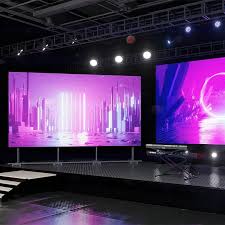
- Advertising and Digital Signage: Outdoor billboards and indoor promotional panels depend on high-resolution LED displays for dynamic, eye-catching content that withstands harsh weather conditions. For example, Times Square in New York City features mega LED screens with pixel pitches as low as 4mm, delivering vivid visuals visible from long distances.
- Sports Arenas and Event Venues: LED scoreboards and video walls enhance the spectator experience by providing clear, real-time information and immersive replays. High refresh rates (>3,000 Hz) minimize motion blur, essential for fast-action sports.
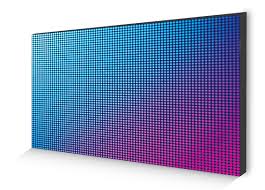
- Transportation Hubs: Airports, train stations, and bus terminals utilize LED displays for schedules, alerts, and wayfinding. The wide viewing angle (up to 160° horizontally and vertically) ensures readability under various lighting conditions.
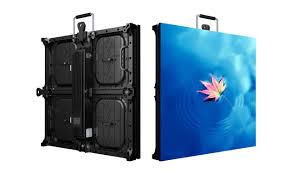
- Retail and Corporate Environments: LED walls in lobbies and showrooms foster brand engagement and communication efficiency. Ultra-fine pitch LEDs (sub-1mm pixel pitch) allow for near-retina-quality resolution, ideal for close-proximity viewing.
Advantages of LED Displays
Compared to traditional LCD and projection-based systems, LED displays offer several compelling benefits:
- Superior Brightness and Contrast: LED screens achieve luminance levels exceeding 5,000 nits for outdoor applications, providing excellent readability even under direct sunlight. The inherent self-emissive property allows true blacks and vibrant colors with high contrast ratios (>5,000:1).
- Energy Efficiency and Longevity: Advances in LED semiconductor materials and driver ICs have increased luminous efficacy, reducing power consumption by up to 40% relative to older models. Typical lifespan ranges from 50,000 to 100,000 hours before significant brightness degradation, per industry standard JEDEC JESD22.
- Flexibility and Scalability: Modular panel designs enable custom screen sizes and shapes, accommodating curved, concave, or convex installations. Lightweight aluminum cabinets improve easy installation and maintenance.
- Fast Response Time and Refresh Rates: LED displays typically achieve response times under 1ms and support refresh rates up to 6,000 Hz, crucial for video broadcasting and 3D applications to avoid flickering artifacts.
Common Challenges in LED Display Technology
Despite the robust benefits, several technical challenges persist:
- Pixel Uniformity and Color Calibration: Manufacturing inconsistencies can cause brightness and color deviations, impairing image quality. Advanced calibration tools and AI-driven correction algorithms are increasingly employed to maintain display uniformity.
- Thermal Management: High luminance levels generate heat, which can decrease LED lifespan or cause color shifts if not properly managed. State-of-the-art LED displays integrate passive and active cooling solutions, including heat sinks and airflow optimization.
- Environmental Durability: Outdoor installations require protection against moisture, dust (certified to IP65/IP67), and UV degradation. Selecting high-quality encapsulation materials and conformal coatings is critical.
- Signal Synchronization and Latency: Particularly in large-scale video walls or synchronized installations, delay and signal degradation can occur. Utilizing protocols such as HDBaseT, DVI over fiber optic, and proprietary synchronization systems helps maintain seamless content display.
Emerging Trends and Innovations
The LED display industry is characterized by rapid innovation, driven by component advances and evolving user demands:
- Micro and Mini LED Technology: By reducing LED chip sizes, micro (less than 100µm) and mini LEDs enable ultra-high resolution and contrast performance, rivaling OLED in image quality while maintaining superior brightness and lifespan. Micro LED displays suitable for large-format TVs and mobile devices are entering commercialization.
- Transparent and Flexible LED Panels: Transparent LED screens offer see-through digital signage solutions for storefront windows and augmented reality applications. Flexible displays using thin, bendable substrates expand design possibilities for wearable and curved applications.
- Intelligent Display Systems: Integration of IoT sensors and AI analytics enhances content personalization, energy management, and predictive maintenance. Smart LED displays can adapt brightness based on ambient lighting conditions, optimize power usage, and self-diagnose pixel faults.
- HDR and Wide Color Gamut Support: Latest generation LED display modules implement High Dynamic Range (HDR) technologies conforming to standards such as HDR10+ and Dolby Vision to deliver richer visuals with deeper blacks and brighter highlights.
- Sustainability Focus: Manufacturers increasingly prioritize recyclable materials, reduced hazardous substances (RoHS compliance), and eco-efficient manufacturing processes aligned with international standards like ISO 14001.
Conclusion
LED display technology continues to set new performance benchmarks across multiple industries. Its practical applications range from commercial advertising to immersive entertainment, benefiting from unmatched brightness, modular flexibility, and energy efficiency. While manufacturing uniformity and environmental resilience remain challenges, industry-wide efforts and emerging innovations such as micro LED and AI integration are addressing these issues effectively. Staying abreast of these trends is vital for engineers, manufacturers, and end-users aiming to optimize LED display investments for the future.
References:
- International Electrotechnical Commission (IEC) Standards on LED Display Performance
- JEDEC Solid State Technology Association, LED Lifetime Standards JESD22 Series
- Society for Information Display (SID) Publications on Micro LED Technology
- "Advances in LED Display Technologies," Journal of Display Technology, IEEE
- Display Supply Chain Consultants (DSCC) Market Analysis Reports













