

Comprehensive Insights into LED LCD Screen Manufacturing: Applications, Advantages, Challenges, and Trends
In the rapidly evolving landscape of display technology, LED LCD screens have solidified their position as a cornerstone in numerous industries worldwide. Combining the superior brightness and energy efficiency of Light Emitting Diodes (LEDs) with the established Liquid Crystal Display (LCD) technology, these screens offer unparalleled performance, versatility, and reliability. This article provides a detailed examination, drawing from extensive industry data and case studies to deliver a comprehensive understanding of LED LCD screen manufacturing, practical applications, advantages, common challenges, and emerging trends.
Understanding LED LCD Screen Manufacturing
LED LCD screens operate by using an LED backlight to illuminate the liquid crystal layer, which modulates light to produce images. The manufacturing process integrates precision steps including substrate preparation, transistor thin-film deposition, liquid crystal alignment, and sealing, followed by backlighting assembly. High-end models often incorporate advanced RGB LED modules and local dimming zones that enhance contrast ratios and color accuracy, essential for professional display applications.
Key technical specifications that define LED LCD screen quality include:
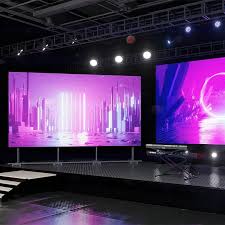
- Resolution: Ranging from Full HD (1920×1080) to 8K (7680×4320), catering to diverse use cases from consumer devices to professional monitors.
- Brightness: Typically 300 to 1000 nits for indoor use; up to 2000 nits or more for outdoor and industrial environments.
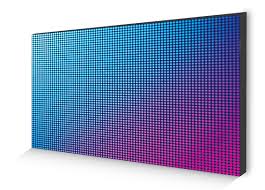
- Contrast Ratio: Varies between 1000:1 for standard displays, up to 5000:1 in premium models employing local dimming.
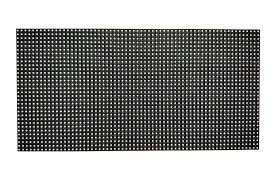
- Response Time: 1-5 milliseconds, crucial for gaming and real-time video applications.
- Color Gamut: Covering up to 100% of sRGB or Adobe RGB, depending on calibration and panel type (IPS, VA, TN).
Practical Applications
LED LCD screens are omnipresent across multiple sectors:
1. Consumer Electronics: Smartphones, tablets, laptops, and televisions utilize LED-backlit LCDs for their balance of cost, brightness, and color fidelity.
2. Industrial and Medical Displays: High reliability and consistent color reproduction are critical in surgical monitors and control room panels.
3. Digital Signage and Outdoor Displays: Robustness and high brightness enable outdoor public advertisement and information displays resilient to environmental stress.
4. Automotive Displays: Integration into dashboards and infotainment systems demands compact size, durability, and clear readability under varying lighting conditions.
Advantages
LED LCD technology delivers several compelling benefits:
- Energy Efficiency: Compared to traditional CCFL (cold cathode fluorescent lamp) backlights, LEDs consume up to 40% less power, aligning with global energy conservation standards such as Energy Star.
- Slimmer Design: LEDs allow thinner panel construction, facilitating sleek, lightweight device profiles.
- Enhanced Brightness and Color Consistency: LEDs can be tuned to emit precise wavelengths, improving color gamut and display uniformity.
- Longer Lifespan: LEDs have a typical lifespan exceeding 50,000 hours, reducing maintenance and replacement costs.
- Environmental Sustainability: LEDs contain no mercury and feature lower toxic material usage, adhering to RoHS directives.
Common Problems and Solutions
Despite their advantages, LED LCD screens face several challenges:
- Backlight Bleeding: Uneven LED backlight diffusion can cause light leakage around screen edges, degrading image quality. High-precision assembly processes and improved diffuser films mitigate this issue.
- Color Shifting and Viewing Angles: Traditional TN panels exhibit limited viewing angles, addressed by adopting IPS (In-Plane Switching) or VA (Vertical Alignment) panels, which maintain color fidelity off-axis.
- Dead Pixels and Manufacturing Defects: Pixel failure remains a manufacturing concern. Implementing rigorous quality control protocols compliant with ISO 9241-307 standards substantially reduces defect rates.
- Heat Dissipation: LEDs generate heat affecting longevity and performance; thermal management via heat sinks and conductive adhesives is essential.
Latest Trends
The LED LCD screen market is experiencing significant innovation, including:
- Mini-LED and Micro-LED Integration: These technologies provide higher local dimming precision and contrast ratios comparable to OLEDs, while retaining LCD advantages of brightness and burn-in resistance.
- Quantum Dot Enhancement Films (QDEF): Utilizing quantum dots as color conversion layers enhances color saturation and efficiency.
- Flexible and Transparent LED LCD Displays: Pioneering curved and see-through display panels enable new applications in automotive HUDs (Heads-Up Displays) and retail.
- AI-driven Calibration: Artificial intelligence is increasingly used to optimize color calibration and adapt brightness dynamically based on content and ambient lighting.
- Sustainability and Circular Economy: Manufacturers are focusing on recyclability and reducing electronic waste by developing easily disassembled panels and using biodegradable materials.
Conclusion
The manufacture and evolution of LED LCD screens embody a fusion of sophisticated technology and practical design consideration that continues to transform global display solutions. These displays offer an effective balance between performance and cost, making them indispensable in consumer electronics, professional environments, and commercial signage. Addressing common manufacturing challenges through innovation and adhering to stringent quality and environmental standards ensures their ongoing relevance. Looking forward, advancements like mini-LED backlights and AI calibration promise further performance enhancements, maintaining LED LCD screens at the forefront of display technology innovation.
References:
- International Electrotechnical Commission (IEC), IEC 62341-4-1:2019 LED backlighting for LCD panels – Performance and reliability standards.
- Energy Star Program Requirements for Displays (Version 8.0), U.S. Environmental Protection Agency.
- Society for Information Display (SID), Journal of Display Technology, various issues on Mini-LED and Quantum Dot technologies.
- ISO 9241-307:2022 Ergonomics of Human-System Interaction — Displays – Pixel Defect Classifications and Measurement Methods.













