

Advancements and Applications of LED LCD Display Technology in Modern Industries
In the rapidly evolving world of display technology, LED LCD displays have established themselves as a cornerstone component across numerous sectors. Combining the backlighting efficiencies of Light Emitting Diodes (LEDs) with the liquid crystal display (LCD) technology, LED LCD panels offer a superior balance of brightness, color accuracy, and energy consumption compared to traditional display technologies.
Technical Overview
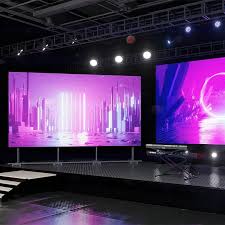
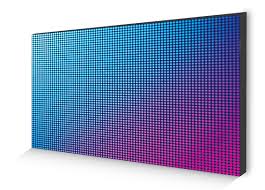
An LED LCD display comprises two fundamental layers: an LCD panel that modulates light to generate images and an LED backlighting system that provides the illumination behind the LCD layer. Typically, LEDs are arranged either as edge-lit or direct-lit configurations. Edge-lit panels place LEDs along the screen perimeter, using light guides to evenly distribute light, while direct-lit or full-array LED panels position LEDs directly behind the screen surface, improving contrast and enabling features like local dimming.
Key parameters defining LED LCD displays include:
- Brightness: Ranges typically from 250 to 1500 nits; high-brightness models (above 1000 nits) are essential for outdoor and high ambient light environments.
- Contrast Ratio: Generally between 1000:1 and 5000:1 in standard displays; local dimming enhances this ratio further by selectively dimming backlights.
- Color Gamut: Advanced displays cover up to 100% sRGB and 90% AdobeRGB, critical for professional visual applications.
- Refresh Rate: Standard displays operate at 60Hz, with gaming or specialized monitors reaching 120Hz or higher.
- Response Time: Typically 5-8 ms for general use; lower response times enhance performance in dynamic visuals.
Practical Applications
The versatility of LED LCD technology explains its widespread adoption across numerous sectors:
1. Consumer Electronics: From smartphones to large-format televisions, LED LCDs facilitate compact, energy-efficient, and high-quality displays. Advanced OLED alternatives currently compete with LED LCDs, but the latter retain advantages in longevity and brightness.
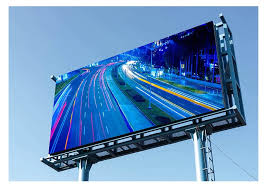
2. Digital Signage and Advertising: In retail and public spaces, LED LCD panels deliver crisp imagery suited for both indoor and outdoor digital signage. Their scalability and high luminance ensure legibility in diverse lighting conditions.
3. Medical Imaging: High-precision medical diagnostics benefit from LED LCD displays with calibrated color and luminance standards, adhering to DICOM (Digital Imaging and Communications in Medicine) guidelines to ensure diagnostic accuracy.
4. Industrial and Military Use: Ruggedized LED LCD displays with enhanced brightness and reliability operate in harsh environments, supporting applications from control rooms to avionics.
5. Automotive Displays: Growing automotive infotainment systems leverage LED LCDs for HUDs (Heads-Up Displays), instrument clusters, and GPS, where brightness and readability under direct sunlight are critical.
Advantages of LED LCD Technology
LED LCD displays offer multiple strengths:
- Energy Efficiency: LEDs consume significantly less power than traditional Cold Cathode Fluorescent Lamps (CCFL) used in older LCD backlighting, aligning with global energy-saving directives (such as ENERGY STAR standards).
- Thin and Lightweight Profiles: The compact nature of LEDs allows thinner displays, facilitating slimmer device designs.
- Superior Brightness and Color: LEDs provide more consistent brightness and a wider color gamut, enhancing visual quality.
- Extended Lifespan and Reliability: LEDs have longer operational lifetimes (typically >50,000 hours) with minimal performance degradation.
Common Challenges and Solutions
Though advantageous, LED LCD technology is not without challenges:
- Uniformity Issues: Edge-lit architectures can suffer from uneven brightness distribution. Solutions involve improved optical films and advanced light guide plates.
- Backlight Bleeding and Halo Effects: Particularly in full-array designs with local dimming, improper zone control can produce visible artifacts. Advances in fine-tuned backlight control algorithms help mitigate this.
- Blue Light Emission: Excessive blue light impacts eye strain. Industry standards (such as TUV Rheinland’s low blue light certifications) guide manufacturers to implement effective mitigation strategies, including flicker reduction and spectral tuning.
- Thermal Management: High-brightness LEDs generate heat affecting display longevity. Integrating efficient heatsinks and thermal conductive materials preserves performance.
Emerging Trends and Industry Innovations
Continued innovation is driving future improvement in LED LCD technology:
- Mini-LED and Micro-LED Integration: Mini-LEDs enhance local dimming with thousands of discrete LEDs, achieving near-OLED contrast characteristics without burn-in risks. Micro-LEDs, still emerging, promise pixel-level illumination with unprecedented brightness and efficiency.
- Quantum Dot Enhancement Films (QDEF): Quantum dots embedded in backlight films allow greater color purity and gamut coverage, enhancing the visual experience, particularly for 4K and 8K displays.
- Flexible and Transparent Displays: Research into bendable LED LCD substrates for applications in wearable electronics and automotive heads-up displays is gaining momentum.
- Artificial Intelligence (AI) Integration: AI-assisted display calibration and dynamic contrast adjustments enable better adaptive viewing experiences tailored to ambient conditions.
Industry Standards and Quality Assurance
Manufacturing and deploying LED LCD displays adhere to stringent standards, including:
- IEC 62715: Safety standard for flat panel displays.
- ISO 9241-307: Visual ergonomics relating to electronic visual displays.
- TCO Certified Displays: Assessment covering environmental and user health aspects.
- DICOM part 14: Medical imaging compliance for grayscale accuracy.
Leading manufacturers employ rigorous quality assurance processes, such as automated optical inspection (AOI) and lifespan stress tests, ensuring consistent product reliability.
Conclusion
LED LCD display technology remains a critical enabler of high-quality visual experiences across diverse industries. By marrying electrical efficiency, color fidelity, and evolving innovations such as mini-LED backlighting and AI-driven adjustments, the technology continues to push the boundaries of display performance.
Stakeholders focusing on application-specific requirements—ranging from brightness and color calibration to device form factors and durability—should closely monitor emerging trends that promise to transform the display landscape further.
As global demands for energy-efficient, high-definition displays accelerate, LED LCD technology will play an indispensable role in meeting these challenges while maintaining cost-effective production and superior user experience.













