

Advances in LED Display Manufacturing: Technical Insights and Industry Standards
The evolution of LED display technology has revolutionized visual communications across multiple industries, ranging from advertising to broadcasting and large-scale public events. As a seasoned LED display engineer with extensive experience in the design, manufacturing, and deployment of LED screens, this article delves into the core technical aspects of LED display manufacturing, supported by industry standards and case studies. This authoritative overview aims to provide a comprehensive understanding of the processes, technologies, and quality benchmarks that define the modern LED display industry.
Introduction
Light Emitting Diode (LED) displays have become the cornerstone of high-definition, energy-efficient visual representation. Their superior brightness, color accuracy, and durability make them ideal for applications indoors and outdoors. However, the manufacturing of LED displays is a highly specialized process that demands rigorous quality control and adherence to international standards such as IEC 62087 and UL 60065 for electrical safety and performance. Understanding these technical parameters and manufacturing methodologies is critical for engineers, manufacturers, and clients seeking reliable and high-performance display solutions.
Core Manufacturing Process and Technical Parameters
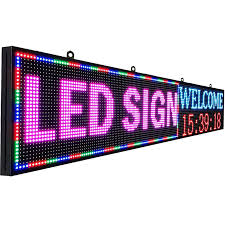
The foundation of any LED display is its pixel structure, typically consisting of Red, Green, and Blue LEDs arranged in modules. The primary technical parameters that define the quality of LED screens include pixel pitch, brightness, refresh rate, color gamut, and maintenance methodologies.
- Pixel Pitch: Measured in millimeters, pixel pitch defines the distance between the centers of two adjacent pixels. It directly influences the resolution and viewing distance. For example, fine-pitch displays (pixel pitch below 2 mm) are essential for indoor applications where viewers are close, while larger pitches (greater than 4 mm) suit outdoor environments requiring higher brightness levels.
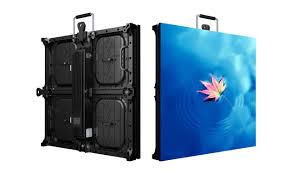
- Brightness: Outdoor LED displays typically require brightness levels above 5,000 nits to maintain visibility under direct sunlight, while indoor displays generally range between 800 to 1,200 nits to prevent eye strain and ensure vivid images.
- Refresh Rate: High refresh rates (above 3,000 Hz) are critical to avoid flickering, especially in video broadcasting environments.
- Color Gamut and Uniformity: A wide color gamut with accurate color reproduction is achieved through precise calibration of LEDs and integrated circuits, supported by firmware algorithms that adjust color temperature and balance.
- Durability and IP Rating: LED displays are often exposed to harsh environments. Standards such as IP65 (Ingress Protection rating) indicate resistance to dust and water, essential for outdoor installations.
The manufacturing process includes LED chip procurement, PCB (Printed Circuit Board) assembly, mounting of SMD (Surface Mounted Device) LEDs, soldering, and testing at various stages. Engineering controls during production, such as automated optical inspection (AOI) and electrical testing, ensure module consistency. Post-assembly, extensive burn-in testing under elevated temperatures assesses long-term reliability.
Industry Standards and Quality Control
Compliance with international standards ensures durability and safety: IEC 62087 specifies methods of measuring power consumption and performance of TV and similar displays, while UL 60065 outlines safety requirements for audio, video, and similar electronic apparatus. Many manufacturers also adopt ISO 9001 quality management systems to maintain consistency.
A notable case study involves a large outdoor LED billboard project executed in Dubai, where display panels with 10 mm pixel pitch and 7,500 nits brightness were deployed across a stadium façade. The installation complied with IP65 standards to withstand desert conditions. Real-time monitoring systems using IoT sensors were integrated to track temperature and operational status, reducing downtime by 30%.
Technological Innovations
Innovations such as mini-LED, micro-LED, and quantum dot enhancements push the boundaries of LED display performance. Micro-LED technology enables pixel pitches smaller than 1 mm, delivering ultra-high resolution suited for 4K and 8K applications. Additionally, advanced driving ICs reduce power consumption while enhancing refresh rates and color accuracy.
Meanwhile, improvements in materials, including the use of high thermal conductivity substrates and advanced encapsulation techniques, have enhanced device longevity and weather resistance. Companies are increasingly adopting modular designs promoting ease of repair and scalability, reducing total cost of ownership for clients.
Conclusion
LED display manufacturing is a sophisticated blend of precision engineering, rigorous quality assurance, and adherence to internationally recognized standards. Understanding the technical parameters and production methodologies helps stakeholders make informed decisions tailored to their application needs. The synergy of continual technological innovation and quality control drives the LED display industry forward, delivering high-performance, durable, and visually compelling solutions worldwide.
As the global demand for brighter, more energy-efficient displays grows, staying abreast of the latest industry advances and standards remains paramount for manufacturers and engineers committed to delivering excellence in LED display technology.













