

Advanced LED Display Manufacturing: Technical Insights and Industry Best Practices
In the ever-evolving landscape of visual display technology, LED (Light Emitting Diode) displays have established themselves as the cornerstone of high-quality, energy-efficient, and versatile screen solutions. From massive outdoor digital billboards to sophisticated indoor video walls and cutting-edge LCD panels, the manufacturing of LED displays demands a comprehensive understanding of materials engineering, electronic design, optical precision, and quality control.
Technical Parameters and Manufacturing Components
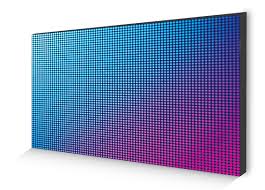
One critical aspect of LED display manufacturing is selecting the right LED components. Typically, modern LED displays utilize SMD (Surface Mounted Device) LEDs because of their compact size, superior brightness, and color uniformity. These LEDs generally come in pitches ranging from 0.9 mm to 10 mm for indoor applications and up to 20 mm or more for outdoor installations. The pitch directly influences resolution; smaller pitch values yield higher pixel density and sharper images.
The driving electronics constitute another vital segment. LED modules employ constant current drivers to maintain consistent brightness and prevent thermal degradation. The refresh rate is a crucial parameter impacting visual smoothness and flicker performance — professional-grade LED displays operate at refresh rates of 1920 Hz or higher, conforming to standards such as IEEE 1789 for flicker reduction. Furthermore, modern controllers with integrated FPGA (Field Programmable Gate Array) chips enable real-time data processing and synchronization for seamless video playback.
Manufacturing Process and Quality Control
The assembly process begins with precise placement of LEDs onto printed circuit boards (PCBs), often automated via high-accuracy pick-and-place machines capable of micron-level precision. Post-placement, surface mount reflow soldering ensures solid electrical connections. Given the outdoor applications, waterproofing and anti-corrosion treatments such as conformal coating or potting compound applications become essential to ensure durability under harsh weather conditions.
Quality assurance incorporates multiple stages — from visual inspections with automated optical inspection (AOI) systems to electrical tests measuring luminance, chromaticity coordinates, and lifespan under accelerated aging conditions. Industry standards such as IEC 62087 (methods of measuring power consumption of audio, video, and related equipment) and environmental directives like RoHS (Restriction of Hazardous Substances) guide compliance and environmental responsibility.
Innovations and Industry Case Studies
Recent advances feature mini-LED and micro-LED technologies, promising even higher resolutions, improved contrast ratios, and longer lifespans due to greater energy efficiency and reduced heat generation. Samsung and Sony have pioneered commercial micro-LED displays exhibiting pixel pitches below 0.5 mm and peak brightness exceeding 1,000 cd/m², ideal for immersive cinema configurations and professional studios.
A case study from a leading outdoor advertising firm demonstrated that upgrading to high-refresh-rate, low-pitch LED displays resulted in a 35% increase in viewer engagement and a corresponding 22% boost in advertisement ROI. The durability was proven across 24 months of continuous operation, with no significant luminance degradation, underscoring the robustness of industry best practices in thermal management and component selection.
Sustainability and Future Trends
With global trends emphasizing sustainability, manufacturers focus on reducing power consumption and implementing recyclable materials in LED display production. Advances in phosphor materials and chip efficiency contribute to lower energy demand, aligning with international energy conservation protocols such as ENERGY STAR certification for electronic displays. Additionally, versatile modular designs facilitate maintenance and upgrades, extending product lifecycles and reducing electronic waste.
In conclusion, LED display manufacturing is a multidisciplinary field that blends materials science, electronics engineering, and environmental compliance. Adhering to stringent technical parameters and industry standards ensures the production of visually spectacular, reliable, and energy-efficient LED displays. Staying abreast of innovation and market demands remains essential for engineers and manufacturers aiming to deliver sustainable and high-performance display solutions.
References:
- International Electrotechnical Commission (IEC) 62087 Standard
- IEEE 1789 Flicker Measurement and Reduction Guidelines
- RoHS Directive 2011/65/EU
- ENERGY STAR Program for Displays (U.S. EPA)
- Samsung Display Innovations in Micro-LED Technology (2023)













