

Advanced Technologies and Best Practices in LED Display Manufacturing
The LED display industry has witnessed remarkable advancements over the past decade, driven by increasing demand for high-resolution, energy-efficient, and durable display solutions across commercial, public, and entertainment sectors. As a professional LED display engineer with extensive experience in design, manufacturing, and quality control, this article provides a technical and practical overview of state-of-the-art LED display manufacturing methodologies, along with critical parameters that ensure optimal performance and longevity.
Introduction
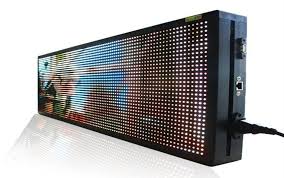
LED (Light Emitting Diode) displays have become the preferred choice for various applications thanks to their vibrant colors, high brightness, and superior contrast ratios compared to traditional LCD or plasma displays. This transformation is supported by continual improvements in LED chip technology, driver electronics, optical design, and materials engineering. However, manufacturing a reliable LED display involves integrating multiple technical disciplines, ensuring precise assembly, and adhering to strict quality standards.
Main Body
1. LED Chip Technology and Selection
The foundation of any LED display is the LED chip itself. Modern manufacturing predominantly uses GaN (Gallium Nitride) based blue and green LEDs, combined with phosphor coatings to produce white light, or multi-primary RGB chips for wide color gamut displays. Selecting high-quality LEDs with uniform luminous efficiency and minimal wavelength variation is critical. For example, typical LED peak wavelengths are approximately 620–630 nm for red, 520–530 nm for green, and 450–470 nm for blue LEDs. The binning process ensures LEDs with closely matched luminous flux, forward voltage, and chromaticity coordinates are used, essential for uniform display color and brightness.
2. Pixel Pitch and Resolution Considerations
Pixel pitch, the distance between the centers of adjacent pixels, directly affects display resolution and viewing distance. Indoor displays favor fine pixel pitches ranging from 0.9 mm to 4 mm, supporting high-definition content at close viewing distances, while outdoor displays use larger pitches (10 mm or more) to ensure visibility over long distances. The pixel density affects not only image clarity but also heat dissipation and power consumption. Standards such as IEC 62717 specify requirements for luminous intensity and color, which are influenced by pixel pitch and LED placement precision.
3. Thermal Management and Reliability
Efficient thermal management is paramount to prolong LED lifespan and maintain consistent performance. LED junction temperature ideally must be kept below 85°C; higher temperatures accelerate lumen depreciation and can lead to premature failure. This is achieved through advanced heat sink designs, thermal interface materials, and active cooling systems in high-power displays. Many manufacturers apply transient thermal analysis techniques during design to simulate operating conditions and optimize cooling solutions.
4. Driver Electronics and Control Systems
Driver ICs regulate current through each LED or pixel module to ensure uniform brightness and enable features like grayscale rendering and dynamic contrast adjustment. Constant current drivers with pulse-width modulation (PWM) dimming are industry standards, as they provide stable luminous output while minimizing flicker. High refresh rates (120 Hz and above) and high bit depth (14 bits or more per channel) are implemented for smooth video playback and accurate color rendition. Interface protocols such as SPI, LVDS, and DVI/HDMI ensure seamless communication between video sources and display panels.
5. Panel Assembly and Calibration
Precision in assembling LED modules onto a supporting substrate, usually an aluminum or composite panel, is essential to avoid color shifts and brightness inconsistencies. Automated pick-and-place machines and computer vision inspection systems achieve positional accuracy within ±0.1 mm. Post-assembly calibration often involves photometric measurements using spectroradiometers and colorimeters, followed by software correction to balance luminance and chromaticity across the panel. Compliance with guidelines like ITU-R BT.709 ensures the display meets international color standards.
6. Quality Assurance and Industry Standards
Comprehensive testing throughout manufacturing—including accelerated aging tests, vibration tests, and ingress protection (IP) ratings—guarantees that displays perform reliably across various environments. For outdoor displays, an IP65 or higher rating is common to prevent dust and water ingress. Certifications such as RoHS, CE, and UL further certify product safety and environmental compliance. Documentation and traceability adhere to ISO 9001 quality management systems, enabling consistent production quality and facilitating customer trust.
Conclusion
Manufacturing high-quality LED displays demands an integrated approach encompassing LED chip selection, pixel architecture, thermal management, driver electronics, and thorough calibration processes. By adhering to industry standards and embracing innovative technologies such as mini-LEDs, micro-LEDs, and advanced driver ICs, manufacturers can deliver displays that meet the stringent requirements of modern applications. Continued research and development, alongside rigorous quality assurance, ensure LED displays provide vibrant, reliable, and energy-efficient visual experiences worldwide.













