

Advancements and Best Practices in LED Display Manufacturing for Superior Visual Performance
The LED display industry has witnessed remarkable advancements over the past decade, driven by innovations in materials science, electronic engineering, and manufacturing processes. As a professional LED display engineer with extensive experience in design, production, and quality control, I will provide an in-depth overview of modern LED display manufacturing, highlighting essential technical parameters, industry standards, and best practices that ensure optimal performance, durability, and visual quality.
The foundation of any LED display is the light-emitting diode itself. High-quality LEDs consist of semiconductor materials such as gallium nitride (GaN) or indium gallium nitride (InGaN), which enable efficient blue and green light emission. Red LEDs often rely on aluminum gallium indium phosphide (AlGaInP). The choice of LED materials directly affects brightness, color gamut, and power consumption. According to the International Electrotechnical Commission (IEC) 62471 standard on photobiological safety, careful selection of LED chips and proper heat dissipation designs are necessary to prevent phototoxicity and extend operational lifespan.
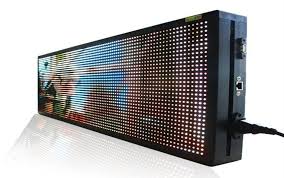
Pixel Pitch and Resolution:
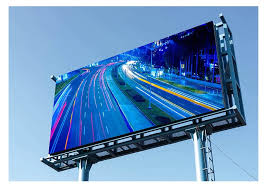
Pixel pitch — the distance between the centers of two adjacent pixels — is a critical parameter for defining display resolution and viewing distance capability. Typical indoor LED displays feature pixel pitches ranging from 1.2mm to 4mm, enabling HD or even 4K resolutions on moderate-sized screens. Outdoor LED displays generally use larger pitches, such as 6mm to 20mm, where longer viewing distances compensate for lower pixel density. The selection of pixel pitch must align with the specific use case to optimize image clarity and cost efficiency.
Module Design and Assembly:
Modular design is the industry standard for LED panels, promoting ease of maintenance and scalability. Each module contains an array of LEDs, driver ICs, PCB boards, and connectors. High-grade flexible printed circuit boards improve reliability by compensating for thermal expansion and mechanical stress. Soldering techniques like vapor phase and selective soldering ensure robust electrical connections, reducing dead pixel occurrences — a key quality metric outlined by the Society for Information Display (SID).
Thermal Management:
Thermal performance is often underestimated but is crucial to LED panel longevity. Excess heat can accelerate LED degradation and cause color shifts. Advanced displays integrate aluminum heat sinks and thermal interface materials to dissipate heat efficiently. Some high-brightness outdoor models incorporate active cooling solutions such as fans or liquid cooling in extreme environments. Thermal simulations using finite element analysis (FEA) tools assist engineers in predicting hot spots and optimizing heat dissipation pathways.
Driving Electronics and Signal Processing:
Stable current driving circuits avoid luminance fluctuations known as flicker, which can cause visual discomfort and reduce display lifespan. High refresh rates (often 1920Hz or above) ensure smooth motion reproduction, essential for dynamic content. The driving ICs now support grayscale color depth exceeding 14-bit per color channel, delivering rich and accurate colors. Conforming with the Digital Video Interface (DVI) and HDMI standards, modern LED displays integrate advanced processors handling image scaling, color correction (HDR support), and real-time content adaptation.
Protective Coatings and Enclosures:
Ensuring environmental durability, especially for outdoor applications, is vital. LED cabinets typically comply with the Ingress Protection (IP) rating system; IP65 or higher ensures dust tightness and water resistance. Anti-UV coatings protect LEDs from solar degradation, while tempered glass front panels guard against mechanical damage and reduce reflection. Corrosion-resistant materials for frames and mounting hardware extend operational life in harsh weather or coastal settings.
Quality Assurance and Testing:
Stringent quality control protocols govern LED display manufacturing. Tests cover luminance uniformity, color accuracy (delta E< 2), viewing angle measurements (often 120° horizontal and vertical), and environmental stress tests including thermal cycling and humidity resistance. Burn-in procedures simulate continuous operation to identify latent failures. Adhering to standards like ISO 9001 ensures consistent manufacturing quality and traceability, which are critical for client confidence in mission-critical applications such as control rooms or broadcast studios.
Sustainability and Energy Efficiency:
Modern LED displays are designed with energy efficiency in mind, incorporating low-resistance materials, efficient LED chips, and smart brightness control algorithms that adjust luminance based on ambient light. This not only reduces power consumption but also lowers operational carbon footprints, aligning with global sustainability initiatives such as the United Nations Sustainable Development Goals (SDGs).
In conclusion, LED display manufacturing is a complex, multidisciplinary endeavor that integrates advanced materials, precise engineering, and rigorous testing. Successful production hinges on understanding technical parameters such as pixel pitch, thermal management, driving electronics, and protective design aligned with international standards. Manufacturers leveraging these best practices can deliver high-performance, reliable LED displays suitable for diverse applications from retail signage to large-scale outdoor events. Continuous innovations promise even greater visual fidelity and operational efficiency in future LED display technologies.













