

Advanced Techniques and Industry Standards in LED Display Manufacturing
The LED display industry has witnessed remarkable advancements in recent years, driven by innovations in materials, manufacturing processes, and quality control standards. As a professional LED display engineer with extensive experience in the field, I will detail the critical parameters, technical insights, and industry best practices essential for producing high-quality LED displays, ensuring longevity, performance, and visual excellence.
Fundamental Components and Materials
Every LED display system comprises several core elements: the LED chips, modules, driving ICs, power supplies, and the control system. Among these components, the LED chip quality directly influences brightness, color accuracy, and lifespan. High-performance LED chips typically have an efficacy exceeding 150 lm/W and a lifespan rated at over 100,000 hours under standard operating conditions, as defined by the Illuminating Engineering Society (IES) LM-80 testing protocols.
The Printed Circuit Board (PCB) used in module fabrication must support effective thermal dissipation. Industry-grade PCB substrates such as Aluminum Nitrosilicate provide superior heat conduction, critical to preventing thermal degradation, which could otherwise reduce luminous efficacy and color stability.
Manufacturing Process and Quality Control
The manufacturing flow involves several key stages: wafer fabrication, chip packaging, module assembly, screening tests, and final calibration. Each process demands precision and adherence to standards such as JEDEC JESD22 for reliability testing and IPC-A-610 for electronics assembly quality.
During assembly, automatic optical inspection (AOI) systems verify pixel integrity, alignment accuracy, and solder quality. This step is crucial since pixel failure modes like dead or stuck LEDs can severely impact visual quality. An average acceptable pixel failure rate in premium displays is less than 0.0001%, ensuring near-flawless image rendering.
Environmental tests simulate operating conditions including temperature cycling (-40°C to 85°C), humidity exposure (85% RH at 85°C), and mechanical vibration to certify display endurance per standards IEC 60068-2. The industry also increasingly adopts conformal coatings to shield circuitry against moisture, dust, and chemical contamination, extending operational reliability.
Display Performance Parameters
Key performance indicators for LED displays include pixel pitch, resolution, brightness, contrast ratio, and color gamut:
- Pixel Pitch denotes center-to-center distance between adjacent pixels and directly affects resolution and viewing distance. Fine-pitch LED displays range from 0.9 mm to 2.5 mm; smaller pitches are prevalent in indoor applications requiring close viewing.
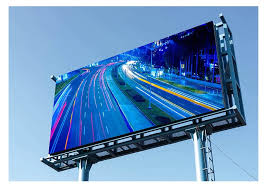
- Brightness, measured in nits (cd/m²), typically varies between 800 nits for indoor displays and upwards of 5,000 nits for outdoor environments. Modern LED technology benefits from high brightness combined with low power consumption to maximize energy efficiency.
- Color performance relies on accurate rendering through control of Red, Green, Blue LED chips with precise chromaticity coordinates aligning with BT.709 or BT.2020 standards, depending on use cases—broadcast or cinema quality.
Industry Case Studies
Leading manufacturers have demonstrated the efficacy of advanced integration techniques. For example, Samsung’s The Wall, a microLED display, utilizes self-emissive micro-scale LEDs that significantly improve brightness uniformity and reduce power consumption. Another notable example is Leyard’s front maintenance cabinets featuring modular designs, accelerating on-site servicing and reducing downtime.
Future Trends
Emerging trends include flexible LED displays utilizing bendable substrates, AI-driven calibration systems ensuring dynamic brightness and color adjustments, and integration with IoT for remote diagnostics and predictive maintenance.
In conclusion, mastering LED display manufacturing requires comprehensive knowledge of materials science, precision engineering, and rigorous compliance with industry standards. By incorporating these critical factors, manufacturers can deliver visually superior, durable, and energy-efficient displays suited for diverse applications across advertising, sports, entertainment, and control rooms.
References:
- Illuminating Engineering Society. LM-80-15: Measuring lumen maintenance of LED light sources.
- JEDEC Solid State Technology Association. JESD22: Environmental and Mechanical Test Methods.
- IPC Association Connecting Electronics Industries. IPC-A-610: Acceptability of Electronic Assemblies.
- IEC 60068-2: Environmental testing standards.













