

Indoor Digital Display Screen Technology and Applications: An Expert Overview
Indoor digital display screens have become an indispensable component in modern commercial environments, public venues, corporate offices, and retail spaces. As a professional with extensive experience in LED/LCD screen manufacturing, this article delves into the key technical parameters, industry standards, and practical applications that define indoor digital display technology today.
Fundamental Technologies
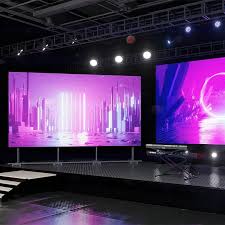
Indoor digital displays mainly utilize LED (Light Emitting Diode) and LCD (Liquid Crystal Display) technologies. LED screens, particularly LED video walls, are prevalent for their superior brightness, wide viewing angles, and excellent color reproduction. High-resolution LCD panels, including IPS (In-Plane Switching) types, are favored for applications requiring refined image quality and consistency.
Standard pixel pitch for indoor LED displays typically ranges from 0.9mm to 4mm. Pixel pitch—the distance between the center of one pixel to the next—is critical in determining image clarity; smaller pitches produce crisper images suitable for close-range viewing, while larger pitches reduce cost for larger screens positioned further away. For example, a 1.2mm pixel pitch LED display enables ultra-high definition (UHD) viewing, ideal for retail promotional signage or streaming content in conference rooms.
Brightness and Contrast
Indoor screens must deliver optimal luminance without causing glare or eye strain. Typical brightness levels for indoor LED displays range between 800 to 1500 nits (cd/m²). This level balances ambient indoor lighting, ensuring visibility without overpowering viewers. Contrast ratio—defining the luminance difference between the brightest whites and darkest blacks—is equally critical for image depth. For premium indoor LCDs, contrast ratios often exceed 1000:1, providing vibrant visuals in controlled lighting.
Color Accuracy and Calibration
Color fidelity is paramount for applications such as art installations, medical imaging, and retail branding. Professional grade displays support 10-bit color depth, facilitating over 1 billion colors and smooth gradients. Calibration standards aligned with sRGB and DCI-P3 color spaces ensure accuracy, consistency, and compliance with international colorimetry. It is industry best practice to perform factory and on-site calibration using spectroradiometers or colorimeters to maintain performance over time.
Reliability and Lifespan
Indoor digital display units must endure long operating hours, often 12-16 hours daily, without degradation in performance. LED modules often offer lifespans exceeding 100,000 hours under normal indoor conditions. Complementary thermal management systems prevent overheating, preserving both LED efficiency and panel longevity. Robust power supplies adhering to global safety standards (e.g., UL, CE certifications) enhance operational reliability.
Control Systems and Connectivity
Modern indoor displays integrate advanced control systems capable of handling multiple input sources including HDMI, DisplayPort, and network streaming. Controller hardware with real-time processing supports dynamic content management, crucial for advertising campaigns, interactive kiosks, or control room monitoring. Software platforms compatible with popular network protocols enable remote diagnostics, firmware updates, and synchronized multi-screen deployments.
Industry Standards and Compliance
Compliance with ISO 9241 (ergonomics of human-system interaction) ensures displays are designed considering human visual comfort. IEC 62368-1 focuses on safety requirements for audio-video equipment, while RoHS and WEEE directives regulate hazardous substances and environmental impact respectively. Adherence to these standards guarantees safe, eco-friendly, and user-friendly products.
Applications and Case Studies
In retail environments, indoor digital displays create immersive customer experiences by delivering real-time promotions and interactive content. Studies show that digital signage can increase purchase intent by up to 30% (source: Digital Signage Today). Corporate lobbies often utilize large LED video walls for brand messaging and visitor engagement. Hospitals employ high-resolution LCD screens for patient information and surgical imaging where color accuracy is vital.
Education and training centers leverage interactive digital displays to enhance engagement and comprehension. According to a case study from the University of Cambridge’s Visual Display Research Group, visual learning facilitated through digital screens improved knowledge retention by 25%.
Conclusion
Indoor digital display screens represent a synthesis of advanced LED/LCD technology, rigorous engineering, and thoughtful design optimized for diverse indoor environments. By balancing technical parameters such as pixel pitch, brightness, color accuracy, and reliability, these displays deliver impactful user experiences that drive commercial success and operational efficiency. Adherence to industry standards further assures quality and safety, making indoor digital displays vital tools in today’s digital communication landscape.













