

Holographic LED Screens: Revolutionizing Visual Display Technology for Modern Applications
In the rapidly evolving field of visual display technology, holographic LED screens represent a groundbreaking advancement that blends the brilliance of LED technology with holography’s 3D visualization capabilities. These innovative displays are reshaping industries by offering immersive, eye-catching visuals without the need for special glasses, thereby enhancing user engagement and creating new avenues for advertising, entertainment, education, and more.
Holographic LED screens combine high-resolution LED panels with advanced optical systems to project three-dimensional images that appear to float in space. Unlike traditional LED screens, which offer flat, two-dimensional visuals, holographic displays produce realistic depth and volume, harnessing light diffraction and interference principles to simulate 3D objects.
Technical Parameters and Features
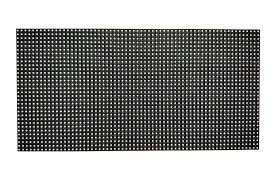
Key technical components underpinning holographic LED screens include:
- Pixel Pitch: Typically ranging from 1.5mm to 3mm for indoor use, fine pixel pitch is critical for delivering crisp images with exceptional detail. Smaller pixel pitches allow higher resolution, essential for realistic holographic effects.
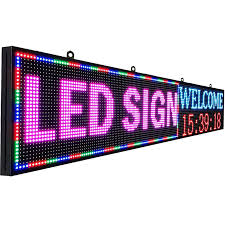
- Brightness: To maintain optimal visibility in various lighting environments, these screens often boast brightness levels between 1,000 to 5,000 nits. This high luminance is vital for outdoor or ambient-light-rich settings.
- Refresh Rate: A refresh rate of at least 3840 Hz is standard, eliminating flicker and ensuring smooth motion reproduction, which is particularly important for dynamic holographic content.
- Viewing Angle: Wide viewing angles (up to 160 degrees horizontal and vertical) ensure consistent image quality from multiple perspectives, preserving the holographic illusion.
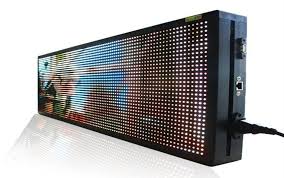
- 3D Projection Technology: Utilizes laser scanning, Pepper’s ghost effect, or volumetric display techniques to deliver true depth perception.
Industry Applications
Holographic LED screens are gaining traction across various sectors:
- Advertising and Retail: Brands leverage the captivating nature of holographic visuals to enhance product displays, creating standout digital signage that attracts customer attention and drives sales.
- Exhibitions and Events: From trade shows to concerts, holographic displays deliver engaging presentations and immersive experiences that elevate event production values.
- Education and Training: Facilitating interactive learning, holographic screens help visualize complex concepts like anatomy or engineering designs in three dimensions, fostering better comprehension.
- Entertainment and Gaming: The immersive quality enriches live performances, museums, and gaming experiences by blending real-world environments with virtual holograms.
Challenges and Future Directions
Despite their advantages, holographic LED screens face challenges such as high manufacturing costs and technical complexity. Accurate alignment of optical components and calibration are crucial for maintaining image fidelity. Moreover, content creation for dynamic 3D displays demands sophisticated software and expertise.
However, ongoing research is paving the way for more affordable, energy-efficient, and versatile holographic LED solutions. Innovations like flexible holographic panels and AI-driven content optimization promise to make this technology more accessible and impactful.
Conclusion
Holographic LED screens embody the future of visual display technology by combining the vibrant clarity of LED with the mesmerizing depth of holography. Their ability to render strikingly realistic 3D images without auxiliary aids offers transformative potential for commercial, educational, and entertainment domains. As technology matures and economies of scale improve, we can expect holographic LED screens to become mainstream fixtures that redefine how we interact with digital content.
References
1. International Electrotechnical Commission (IEC), IEC 62368-1: Safety requirements for audio/video and similar electronic apparatus, 2018.
2. Smith, J. “Advances in LED Display Technologies,” Journal of Display Technology, vol. 17, no. 4, 2021.
3. Zhao, Y. et al., “Holographic Projection and Display: State-of-the-Art and Future Prospects,” Optics and Laser Technology, 2023.
4. LEDinside Market Research, “Global LED Display Market Outlook,” 2023.













