

5-Faces Cube LED Display: Innovation in Multi-Dimensional Visual Communication
The 5-faces cube LED display represents a groundbreaking advancement in the realm of digital signage and visual communication technology. As LED display technology continues to evolve, multi-dimensional and immersive displays like the 5-faces cube are setting new benchmarks for advertising, event presentation, and architectural design integration. This article explores the technical specifications, practical applications, and industry significance of 5-faces cube LED displays, offering insights grounded in industry standards and engineering expertise.
Technical Overview and Construction
A 5-faces cube LED display consists of five configurable display panels arranged to form an incomplete cube structure — typically missing the bottom face to facilitate mounting and wiring. Each face is an individual LED panel with high-resolution capabilities, integrated to synchronize seamlessly across all faces for unified content display.
Key technical specifications typically include:
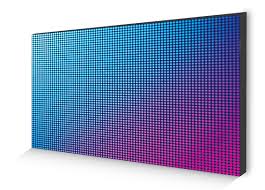
- Pixel Pitch: Ranges from 1.5mm to 4mm for indoor models, ensuring detailed visuals in close viewing environments.
- Panel Size: Standard face dimensions vary, but 500mm x 500mm is common, allowing scalable construction to desired cube sizes.
- Brightness: Approximately 800 nits for indoor models and up to 5000 nits for outdoor, ensuring visibility in a variety of lighting conditions.
- Refresh Rate: 1920Hz or higher, conforming with broadcast-grade standards to prevent flickering.
- Color Depth: 16-bit or more for rich and accurate color reproduction.
- Viewing Angle: Typically 160° horizontal and vertical, providing excellent visibility from multiple perspectives.
Advanced control systems are embedded with multi-face synchronization protocols, such as those complying with Digital Video Interface (DVI) or HDMI processing, paired with RGB data management to ensure perfect color alignment and timing consistency across all panels.
Engineering Challenges and Solutions
One of the major engineering challenges with 5-faces cube LED displays lies in seamless content synchronization and geometrical alignment. Ensuring that animations and video playback flow fluidly from one face to another demands precise calibration of timing and brightness. Engineers employ advanced Electronic Calibration Systems (ECS) that automatically adjust brightness uniformity and color correction in real-time.
Structural integrity is equally important; the cube must maintain rigid alignment despite external environmental factors. High-grade aluminum alloy frames with precision CNC fabrication are standard, allowing for both lightweight construction and durable installation.
Ventilation and heat dissipation are crucial to preserving LED lifespan and maintaining stable operation. The cube’s design incorporates customizable airflow systems, such as integrated cooling fans or heat sinks, especially for high-brightness outdoor applications. These features follow guidelines stipulated by JEDEC JESD51-12 thermal management standards for effective heat dissipation.
Practical Applications
The 5-faces cube LED display is highly valued in markets requiring eye-catching, interactive digital signage:
- Retail Environments: Positioned in shopping malls or flagship stores, these cube displays attract shoppers with dynamic advertising on multiple faces, creating 360-degree engagement.
- Corporate Events and Exhibitions: The cube's multi-dimensional form factor provides innovative branding opportunities, showcasing multimedia content visible from diverse angles.
- Entertainment and Public Installations: In music festivals, retail plazas, and urban centers, the displays integrate with architectural elements for immersive experiences.
- Transportation Hubs: Airports or train stations use cube LED displays for real-time information alongside promotional content, maximizing visibility from many sightlines.
Industry Standards and Reliability
The manufacturing process adheres strictly to international standards such as ISO 9001 quality management systems and complies with safety certifications (e.g., CE, FCC). LED modules conform to RoHS directives, ensuring environmental friendliness by restricting hazardous materials.
Testing involves stringent IP rating assessments that confirm water and dust resistance, especially relevant for outdoor versions exposed to weather elements. Many 5-faces cubes meet IP65 or higher, guaranteeing operational reliability in challenging environments.
Future Trends
The integration of AI-driven content management and interactive touch capabilities are predicted to become standard in next-generation cube LED displays. Furthermore, advances in MicroLED technology promise even greater brightness, energy efficiency, and pixel density, enabling sharper imaging and even smaller pixel pitches.
Conclusion
The 5-faces cube LED display is revolutionizing how brands communicate visually across multiple orientations, blending technical precision with creative flexibility. As modular design, high-resolution panels, and reliable industrial standards converge, these displays deliver unprecedented engagement and versatility. Manufacturers, designers, and engineers continuing to develop these 3D LED solutions will shape new frontiers in multi-dimensional visual communication.













