

Cab Top LED Display Technology and Engineering Insights for Enhanced Visibility and Durability
Cab top LED displays have become a critical component in modern transit and transportation industries, offering dynamic visual communication that enhances passenger information dissemination, advertising, and vehicle identification. As an experienced LED display engineer, I aim to provide an in-depth analysis of cab top LED displays focusing on design principles, technical specifications, durability considerations, and installation best practices to ensure optimal performance in demanding environments.
Understanding Cab Top LED Displays
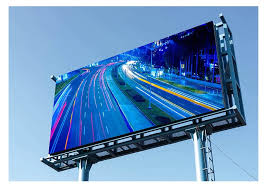
A cab top LED display is an LED board mounted atop a vehicle cab, frequently used on buses, trams, and commercial trucks to display route information, advertisements, and alerts. These displays must combine high brightness, energy efficiency, and weather resistance to operate reliably across diverse lighting and environmental conditions.
Key Technical Parameters
1. Pixel Pitch and Resolution
The pixel pitch—distance between adjacent LED diodes—is a pivotal specification for cab top displays. Typical pixel pitches range from 4mm to 16mm depending on viewing distance. For example, a 10mm pitch is common for bus-top displays, providing a balanced resolution that remains legible from 10 to 50 meters. Higher resolution (smaller pixel pitch) increases detail but raises manufacturing costs and power consumption.
2. Brightness and Contrast Ratio
Cab top LED displays require high brightness levels to maintain readability under direct sunlight. The standard brightness level for such displays is approximately 5,000 to 7,000 nits (cd/m²). According to international standards such as IEC 62471, ensuring the screen operates within safe luminous intensity is vital for passenger comfort and eye safety. The contrast ratio, bolstered by LED technology and anti-reflective coatings, further enhances visibility in bright conditions.
3. Viewing Angle and Uniformity
Due to the varied viewing angles seen by pedestrians and passing vehicles, cab top displays typically incorporate wide viewing angle LEDs, commonly around 120° horizontal and vertical, to keep content visible without color distortion.
4. Power Consumption and Thermal Management
Operating an LED array on top of a vehicle demands efficient power usage and heat dissipation, especially since ambient temperatures can fluctuate significantly. Using LED chips with high luminous efficacy (above 150 lm/W) and integrating heat sinks or active cooling systems improve device longevity and reduce operational costs.
Durability and Reliability Considerations
Cab top LED displays are exposed to harsh external elements - including rain, dust, vibration, and UV radiation. Manufacturers follow standards such as the IP65 or higher rating to ensure the enclosures protect the electronic components from ingress of water and particulates. Vibration resistance following ISO 16750-3 guidelines is critical since transportation results in constant mechanical stress.
Further, corrosion-resistant materials such as anodized aluminum and tempered glass protect the enclosure, while conformal coatings on circuitry prevent moisture damage.
Installation and Integration Best Practices
Proper installation is paramount for maximum service life. The mounting system must accommodate vehicle vibrations and shocks without loosening connections or damaging the display. Electrical integration requires compatibility with the vehicle’s power system, usually 12V or 24V DC, incorporating surge protection to mitigate voltage spikes.
With the growing use of IoT and smart city infrastructure, cab top LED displays increasingly support wireless data feed capabilities—via 4G/5G or Wi-Fi modules—allowing real-time content updates. Engineers must ensure cybersecurity best practices to prevent unauthorized access or content manipulation.
Maintenance and Life Cycle Management
LED modules in cab top displays usually have a lifespan exceeding 100,000 hours under ideal conditions. However, regular preventive maintenance including cleaning, firmware updates, and visual inspection is essential, particularly in urban environments with pollution and debris accumulation.
Properly designed displays use modular panels that facilitate easy replacement of damaged sections, minimizing downtime and repair costs.
Industry Case Study: Successful Implementation in Public Transit
A prominent metropolitan transit agency upgraded 300 buses with 10mm pitch cab top LED displays rated at 6000 nits brightness and IP66 waterproofing. The new displays improved route visibility and passenger satisfaction according to post-implementation surveys. Real-time route updates were implemented using an embedded telematics control unit communicating with central servers, showcasing the integration of advanced display technology and fleet management systems.
This project complied with IEC 60529 IP rating standards and adhered to ISO 13849 functional safety guidelines for electronic systems, ensuring durability and operational safety.
Conclusion
Cab top LED displays are indispensable components in modern transportation communication systems. By selecting appropriate pixel pitch, brightness, and weatherproof design, and adhering to rigorous engineering standards and maintenance schedules, manufacturers and operators can ensure highly visible, reliable, and durable installations. Incorporating advanced connectivity further enhances their utility, aligning with smart city and IoT trends, ultimately elevating passenger experience and operational efficiency.
References
- IEC 62471: Photobiological safety of lamps and lamp systems
- IEC 60529: Degrees of protection provided by enclosures (IP Code)
- ISO 16750-3: Road vehicles — Environmental conditions and testing for electrical and electronic equipment
- ISO 13849: Safety of machinery - Safety-related parts of control systems
- U.S. Department of Transportation, Federal Transit Administration: Transit Bus Procurement Guidelines (2022)
- LED industry publications: Lighting Europe Reports on Outdoor LED Applications (2023)













