

Advances and Practical Insights in LED LCD Screen Manufacturing Technology
LED LCD screen technology has revolutionized the display industry by combining the backlighting advantages of LEDs with the high resolution and color accuracy of LCD panels. As a professional engineer deeply involved in LED LCD manufacturing, it is essential to understand the intricate technical parameters, practical applications, inherent advantages, common challenges, and evolving trends shaping this dynamic sector.
Technical Parameters and Manufacturing Considerations
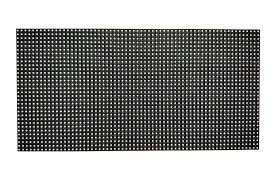
LED LCD screens primarily consist of three layers: the liquid crystal display (LCD) layer, the LED backlighting module, and the driver electronics. The quality of each component directly influences the overall performance of the display.
- Resolution and Pixel Pitch: Modern LED LCDs offer resolutions ranging from Full HD (1920x1080) to 4K UHD (3840x2160) and beyond. Pixel pitch, often measured in millimeters, defines the distance between adjacent pixels and impacts image sharpness. For large-size displays, a pixel pitch of 0.5mm to 1.5mm is considered ideal for detailed visualization.
- Color Gamut and Contrast Ratio: Advanced LED backlights enable wider color gamut coverage, including standards like DCI-P3 and Rec. 2020, enhancing color fidelity. Contrast ratios of 1000:1 to 3000:1 are typical, with local dimming technologies pushing these values higher for better black-level reproduction.
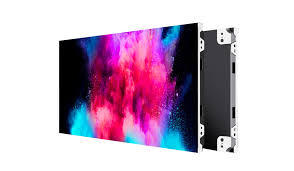
- Brightness and Power Consumption: LED backlighting provides luminous intensities exceeding 500 nits for indoor applications and up to 1000 nits for outdoor displays, ensuring visibility under varied lighting conditions. Power efficiency improvements have led to energy consumption reductions by 20-40% compared to traditional CCFL (Cold Cathode Fluorescent Lamp) backlights.
Practical Applications
LED LCD displays are ubiquitous across industries. Their high brightness, precise color rendering, and flexible form factors allow deployment in:
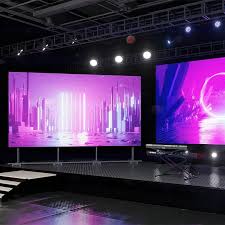
- Commercial Advertising: Digital billboards and signage utilize large LED LCD panels with high refresh rates to grab the attention of passersby effectively.
- Medical Imaging: The demand for ultra-high-resolution and accurate color display is critical in diagnostics, where LED LCDs meet stringent DICOM (Digital Imaging and Communications in Medicine) standards.
- Industrial Controls: Robust and bright LED LCDs are implemented in harsh environments for monitoring and control interfaces, emphasizing durability and clarity.
- Consumer Electronics: TVs, monitors, and laptops benefit from refined LED LCD technology offering slim designs and superior image quality.
Advantages of LED LCD Technology
LED LCD technology presents several compelling advantages over competing display technologies:
- Energy Efficiency: LEDs consume less electricity, reducing operational costs and environmental impact.
- Slim Profile and Lightweight: LED backlights allow for thinner and lighter displays, beneficial for portable and wall-mounted devices.
- Extended Lifespan: LEDs have a longer lifespan, typically 30,000 to 50,000 hours, compared to other backlighting methods.
- Superior Color and Brightness Uniformity: Enhanced LED arrangements and diffuser layers ensure consistent luminance across the display.
Common Problems and Solutions
Despite the advantages, LED LCD screens encounter challenges that manufacturers must address:
- Backlight Bleeding: Uneven LED diffusion can cause light leakage around display edges. Utilizing precision-engineered light guides and implementing local dimming mitigates this issue.
- Dead Pixels and Color Shifts: Manufacturing precision and rigorous quality control are crucial to minimizing pixel defects and color inaccuracies. Technologies like IPS (In-Plane Switching) panels enhance viewing angles and reduce color shifts.
- Thermal Management: LEDs generate heat that can degrade components if not properly dissipated. Integrating heat sinks and employing thermally conductive materials ensure stable operation.
- Blue Light Hazard: Prolonged exposure to high-intensity blue light from LEDs raises health concerns. Manufacturers incorporate blue light filters and adaptive brightness features to reduce eye strain.
Latest Trends in LED LCD Screen Manufacturing
The LED LCD industry is evolving rapidly with innovations enhancing performance and user experience:
- Mini- and Micro-LED Backlighting: Mini-LED and micro-LED technologies offer thousands of tiny LEDs for precise local dimming, dramatically improving contrast and HDR (High Dynamic Range) performance. Leading brands have showcased displays with over 10,000 dimming zones.
- Quantum Dot Integration: Quantum Dot layers integrated with LED backlights enhance color volume and brightness, now widely adopted in premium display lines.
- Flexible and Transparent Displays: Research into flexible substrates and transparent LED LCDs anticipates applications in automotive heads-up displays and augmented reality.
- AI-Driven Calibration and Defect Detection: Artificial intelligence facilitates automated manufacturing processes, ensuring improved defect detection and real-time calibration to optimize image quality.
As LED LCD screen manufacturing advances, strict adherence to industry standards such as IEC 62368 for safety and ISO 9241 for ergonomics ensures products meet global regulatory requirements and user expectations. For manufacturers and engineers, mastering the balance between innovative feature integration, production efficiency, and quality control is critical to maintaining a competitive edge.
In conclusion, LED LCD technology continues to be a cornerstone of modern digital displays due to its excellent balance of image quality, efficiency, and versatility. By understanding the underlying manufacturing techniques, practical applications, operational challenges, and emerging technological trends, professionals in this field can drive the development of next-generation displays that meet the evolving demands of global markets.













