

Advanced Manufacturing Techniques in LED LCD Screen Production for Enhanced Performance and Reliability
The global demand for high-quality LED LCD screens continues to surge, driven by diverse applications ranging from consumer electronics to commercial displays. As a seasoned engineer in the LED display industry, I aim to shed light on the advanced manufacturing techniques that significantly elevate performance, reliability, and longevity of LED LCD screens. Integrating industry standards, technical parameters, and practical insights, this article offers a comprehensive overview tailored for professionals and stakeholders invested in LED display technology.
Introduction
LED LCD screens combine the backlighting efficiency of LEDs with liquid crystal display technology, enabling brighter, more energy-efficient displays with superior color accuracy. However, manufacturing such screens requires precise control of multiple processes to meet increasingly stringent standards for resolution, lifespan, and environmental resilience. This article discusses the core manufacturing innovations, quality control protocols, and testing methodologies that define today’s state-of-the-art LED LCD screen production.
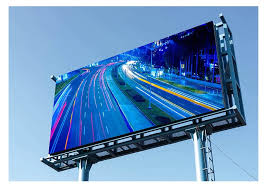
Main Body
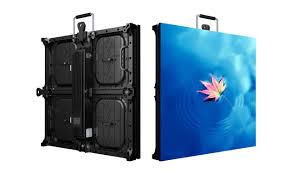
1. Substrate Preparation and Thin-Film Transistor (TFT) Fabrication
A fundamental step in LED LCD screen production is preparing the glass substrate for the TFT array, which drives the liquid crystals. Industry practice employs Corning Eagle XG or similar ultra-thin, low-thermal-expansion glass substrates for dimensional stability (Ref: JEDEC Standard JESD22-A104D). The semiconductor-grade TFT layer, typically amorphous silicon or IGZO (Indium Gallium Zinc Oxide), is deposited with photolithographic precision to create pixel-level control circuits. IGZO technology, with electron mobility above 10 cm²/Vs compared to amorphous silicon’s 1 cm²/Vs, enables higher refresh rates and lower power consumption.
2. LED Backlighting Integration
High-brightness LEDs embedded in the backlight unit (BLU) are vital for image quality. Modern production integrates mini-LED or micro-LED arrays to achieve ultra-high brightness (>1000 nits), wide color gamut (up to 100% DCI-P3), and local dimming capabilities. The thermal management of LEDs is critical; production employs copper-core printed circuit boards (PCBs) with high thermal conductivity (~400 W/m·K) and thermally conductive adhesives to dissipate heat efficiently, preventing degradation of LED lifetime (typical luminous life >50,000 hours at 60% original brightness).
3. Liquid Crystal Cell Assembly
The gap between substrates, usually maintained at 3 to 6 micrometers, is filled with liquid crystal material. The choice of nematic liquid crystals with fast response times (sub-10 ms) supports high refresh rates required for 4K or higher resolution displays. Advanced sealing techniques using UV-curable adhesives ensure environmental sealing against moisture and oxygen, which are detrimental to liquid crystal stability and TFT performance. ISO 9241-307 provides ergonomic standards to optimize viewing angles and contrast ratios during assembly.
4. Color Filter and Polarizer Application
Precision in color filter deposition directly affects color accuracy and uniformity. Production facilities utilize photolithography or inkjet printing to apply RGB filter arrays, achieving color depth up to 10-bit per channel (1024 shades). Polarizers, critical for light modulation, are aligned with nano-imprint technology to reduce light leakage and enhance contrast ratios beyond 3000:1 in modern LED LCD displays.
5. Comprehensive Quality Control and Testing
Quality assurance employs automated optical inspection (AOI) for pixel defects, uniformity testing across luminance and chromaticity, and environmental stress testing including thermal shock (-20°C to 85°C) and humidity exposure (>85% RH). Standards such as IEC 62368-1 for electronic safety and ENERGY STAR certification guide environmental and energy efficiency compliance. Reliability testing ensures Mean Time Between Failures (MTBF) exceeds 100,000 hours, a necessity for commercial displays.
6. Emerging Trends and Industry Innovations
The integration of quantum dot enhancement films (QDEF) is reshaping color performance, pushing color gamut coverage past 120% NTSC with relatively low power consumption. Additionally, direct bonding techniques for LED arrays and the LCD panel eliminate air gaps, reducing internal reflections and boosting contrast and display uniformity substantially.
Conclusion
Manufacturing LED LCD screens is a multifaceted engineering challenge that blends material science, electronic engineering, and precision manufacturing. Advances in TFT technology, LED backlighting methods, and robust assembly techniques dramatically improve screen performance and lifespans. As display applications diversify—from smartphones and televisions to automotive and medical monitors—the ability to optimize these processes in adherence to international industry standards will continue to be vital. By focusing on innovation and stringent quality control, manufacturers can deliver LED LCD screens that meet the growing expectations for vivid image quality, energy efficiency, and long-term reliability.
For professionals in the LED display field, understanding and leveraging these advanced manufacturing techniques is crucial for maintaining competitive advantage and driving future growth.













