

Advanced Technologies and Best Practices in LED Display Manufacturing
In the rapidly evolving landscape of display technology, LED (Light Emitting Diode) displays have emerged as the preferred choice for various applications, from large-scale outdoor billboards to high-resolution indoor screens. As a professional LED display engineer, I will provide an in-depth analysis of manufacturing best practices, key technical parameters, and industry standards to optimize LED display performance, durability, and visual quality.
1. Understanding LED Display Types and Applications
LED displays typically fall into two categories: SMD (Surface-Mounted Device) and DIP (Dual In-Line Package). SMD technology integrates red, green, and blue diodes into a single chip, enabling higher pixel density and superior image quality. DIP modules, while more robust and brighter, are generally suited for outdoor displays requiring greater visibility at long distances. Selecting the appropriate LED type depends on the pixel pitch (distance between two LED centers), screen size, viewing distance, and application environment.
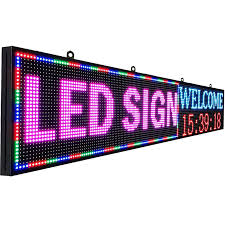
2. Critical Technical Parameters
Choosing the right specifications is fundamental to performance:
- Pixel Pitch: Ranges from 0.7 mm (fine-pitch indoor) to over 20 mm (large outdoor). Smaller pitch results in higher resolution but increases manufacturing complexity and cost.
- Brightness: Outdoor LEDs typically achieve 5,000 to 10,000 nits for daylight visibility, whereas indoor screens require 800 to 1,200 nits to avoid eye strain.
- Refresh Rate: A minimum of 1920 Hz refresh rate is needed to prevent flickering and enable smooth video playback, especially important for broadcasting and live events.
- Contrast Ratio: High contrast ratios enhance image depth; modern LEDs achieve ratios exceeding 3000:1 through improved diode technology and calibration.
- Viewing Angle: Wide viewing angles (up to 160° horizontally and vertically) guarantee consistent image quality across all viewer positions.
3. Manufacturing Best Practices
Manufacturing LED displays demands precision engineering combined with rigorous quality control. Key practices include:
- Module Assembly: Accurate placement of LED diodes using automated pick-and-place machinery reduces defects and ensures uniform brightness and color.
- Electrical Testing: Each module undergoes pre- and post-assembly testing for short circuits, open circuits, and uniform current distribution.
- Calibration and Color Tuning: Utilizing spectroradiometers and colorimeters during calibration harmonizes LED brightness and chromaticity across modules, enhancing uniformity.
- Environmental Protection: Incorporating IP65 or higher-rated protective coatings and waterproofing measures extends product longevity in harsh outdoor environments.
- Thermal Management: Efficient heat dissipation through heat sinks and ventilation design prevents color shifting and extends LED lifespan, often rated up to 100,000 hours.
4. Industry Standards and Certifications
Adherence to international standards guarantees reliability and safety:
- IEC 62368-1: Safety requirements for audio/video equipment including LED displays.
- RoHS (Restriction of Hazardous Substances): Ensures environmentally safe materials.
- ISO 9001: Quality management systems tailored for electronic assembly.
- UL Certification: For electrical safety compliance in the North American market.
Compliance with these standards is not only mandatory in many regions but also reassures clients about the product’s robustness and environmental responsibility.
5. Innovations Impacting Future LED Displays
Emerging trends driving the next generation include:
- Mini-LED and Micro-LED Technologies: These enable even smaller pixel pitches, higher contrast ratios, and improved energy efficiency.
- AI-driven Calibration: Automation using machine learning enhances accuracy in color grading and predictive maintenance.
- Flexible and Transparent LED Displays: These open new avenues in design, allowing LED screens integrated into architectural glass or curved surfaces.
6. Case Study: High-Resolution Indoor LED Panel Deployment
A recent project involving a 0.9 mm pixel pitch indoor LED wall demonstrated the integration of stringent testing and calibration to meet demanding broadcast standards. The final product delivered vibrant imagery visible from close viewing distances without pixelation, with a refresh rate of 3840 Hz ensuring flicker-free video suitable for live TV production.
In conclusion, manufacturing world-class LED displays involves a comprehensive understanding of technical parameters, rigorous quality control, and adherence to international standards. With continuous innovations shaping the industry, manufacturers must adopt advanced technologies and best practices to meet the diverse needs of modern applications across the globe.
References:
- International Electrotechnical Commission (IEC) 62368-1 Standard
- Restriction of Hazardous Substances (RoHS) Directive
- ISO 9001 Quality Management System Guidelines
- Barco, LED Display Whitepapers and Technical Datasheets
- Avnet, LED Module Manufacturing Case Studies













