

Advanced Technologies and Quality Standards in LED Display Manufacturing
In the rapidly evolving field of LED display manufacturing, ensuring superior product quality and leveraging cutting-edge technology are pivotal to meeting the demands of diverse applications ranging from outdoor advertising to high-resolution indoor displays. As a professional LED display engineer with extensive experience, this article delves into the critical technical parameters, advanced manufacturing techniques, and industry standards shaping the LED display landscape today.
Understanding LED Display Technologies
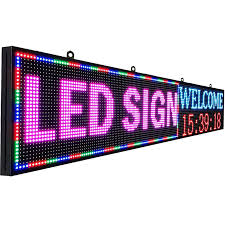
LED (Light Emitting Diode) displays utilize semiconductor diodes that emit light when an electric current passes through them. The fundamental technology involves assembling thousands to millions of these diodes into pixel modules that collectively form vivid images. Two predominant types of LED displays exist: surface-mounted device (SMD) and through-hole (traditional DIP) LEDs. SMD technology integrates red, green, and blue diodes into a single package, offering enhanced resolution, wider viewing angles (up to 160° horizontal and vertical), and superior color uniformity, which are essential for high-definition indoor applications.
Key Technical Parameters
A detailed understanding of technical parameters is essential when designing or specifying LED displays:
- Pixel Pitch: This refers to the distance between the centers of adjacent pixels, commonly expressed in millimeters (mm). It directly influences resolution and viewing distance; for instance, a pixel pitch of 1.5mm is suited for close-range indoor viewing, while 10mm or higher is typical for large outdoor displays visible from afar.
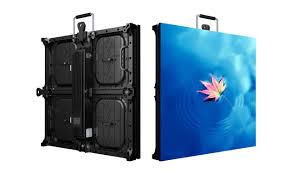
- Brightness: Measured in nits (cd/m²), brightness affects visibility under different ambient lighting conditions. Indoor displays generally require 800–1,000 nits, whereas outdoor displays must achieve brightness levels of 4,000 to over 7,000 nits to combat strong sunlight.
- Refresh Rate: Higher refresh rates (typically above 1920Hz) reduce flicker for smooth video playback, particularly critical in broadcast environments.
- Color Depth: 16-bit to 18-bit color depth allows over 65,000 to 260,000 shades, contributing to natural and vibrant image reproduction.
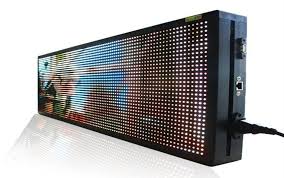
- Contrast Ratio: The ratio between luminous intensity of the brightest white and the darkest black enhances picture clarity. Advanced LED displays achieve contrast ratios exceeding 3,000:1, sometimes utilizing local dimming technology.
Manufacturing Processes and Quality Assurance
Modern LED display manufacturing involves several key stages:
1. PCB Fabrication: Printed Circuit Boards are engineered with precise copper traces to support high current flow and thermal conductivity, adhering to IPC standards such as IPC-A-600 for PCB acceptability.
2. LED Mounting and Soldering: SMD LEDs require high-precision pick-and-place machines, followed by reflow soldering. Strict quality inspection, including Automated Optical Inspection (AOI) and X-ray analysis, ensures solder joint integrity to prevent open circuits or shorts.
3. Module Assembly: Each module undergoes rigorous functional testing to verify pixel integrity and color consistency. Thermal management is integrated via heatsinks or advanced materials to maintain device lifespan exceeding 100,000 hours of operation.
4. Calibration: Full system calibration using software tools adjusts color temperature, gamma curves, and brightness uniformity. This step aligns with industry standards such as Rec. 709 for HD content and DICOM for medical displays.
5. Final Quality Control: Environmental stress testing – including thermal cycling, humidity testing, and vibration – ensures reliability under varied operational conditions. Test protocols often align with JEDEC standards for electronic component reliability.
Compliance with Industry Standards
Compliance with international standards guarantees interoperability, safety, and quality in LED displays. The most recognized standards include:
- IEC 60598: Pertains to luminaires safety, which extends to LED display modules installed in public spaces.
- RoHS and REACH: Environmental directives regulating hazardous substances and chemical safety in manufacturing.
- Energy Efficiency Standards: For example, ENERGY STAR certification for indoor monitors to reduce power consumption.
- EMC Compliance: Electromagnetic compatibility standards prevent interference with other electronic devices.
Emerging Trends and Innovations
The LED display sector continues to innovate with developments such as MicroLED technology, offering higher brightness, better energy efficiency, and even finer pixel pitches below 1mm. Additionally, adaptive brightness sensors and AI-driven calibration improve performance and reduce maintenance costs. Flexible and transparent LED panels expand application possibilities in automotive and architectural design.
Conclusion
Manufacturing high-quality LED displays demands in-depth expertise in semiconductor technology, precision manufacturing, rigorous quality control, and adherence to stringent global standards. By optimizing parameters such as pixel pitch, brightness, and color accuracy while embracing innovative materials and calibration methods, industry professionals can deliver displays that perform reliably in diverse environments. Staying abreast of emerging trends like MicroLED further positions manufacturers and engineers at the forefront of display technology innovation.
References:
- International Electrotechnical Commission (IEC) Standards: IEC 60598
- IPC Association Connecting Electronics Industries: IPC-A-600
- JEDEC Solid State Technology Association Standards
- ENERGY STAR Program Requirements for Displays
- Technical Papers, LED Display Research Journal, Vol. 35, 2023













